The Harvest Gold Appliance Revolution
Kitchens underwent a seismic shift when we collectively decided that white appliances were far too clinical. Enter Harvest Gold: a deep, mustardy yellow that adorned everything from the heavy-duty refrigerator to the toaster. This color was designed to bring the warmth of a wheat field into the heart of the home, but it often ended up looking like a permanent sunset in the kitchen.
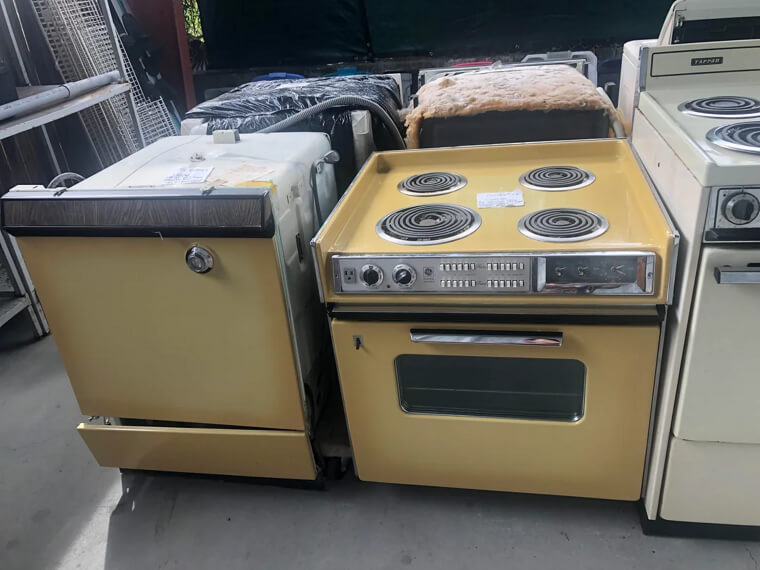
It was a durable finish that seemed to last forever, which is why many of us were still staring at that golden stove well into the nineties before finally upgrading to stainless steel.
Walls Dressed in Faux-Wood Paneling
Walk into any basement or "den" from the late sixties through the eighties, and you were greeted by the somber, dark embrace of wood-paneled walls. This wasn't actual mahogany or oak; it was thin sheets of plywood with a printed grain that allegedly made the room feel "cozy." In reality, it often turned living spaces into windowless-feeling caves. We hung our brass plates and macramé owls directly onto these panels, creating a rustic aesthetic that seemed sophisticated at the time.
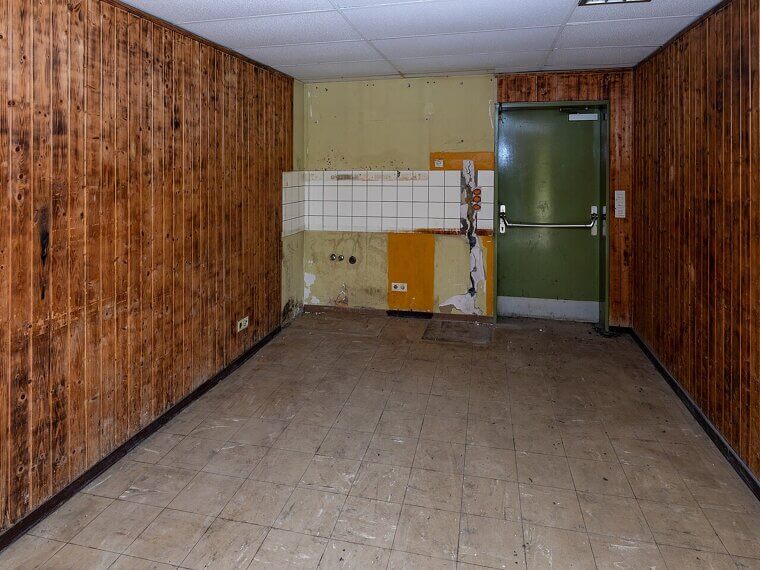
It was the ultimate DIY solution for covering up less-than-perfect drywall with a rugged, outdoorsy vibe.
Sunken Living Rooms (The Conversation Pit)
Architectural trends occasionally asked us to literally step down into our social lives. The sunken living room, or "conversation pit," was the height of mid-century modern luxury. The idea was to create an intimate, cozy nest within a larger room, often centered around a fireplace. While it looked incredibly sleek and provided a dedicated space for hosting guests, it also became a notorious tripping hazard for the uninitiated.
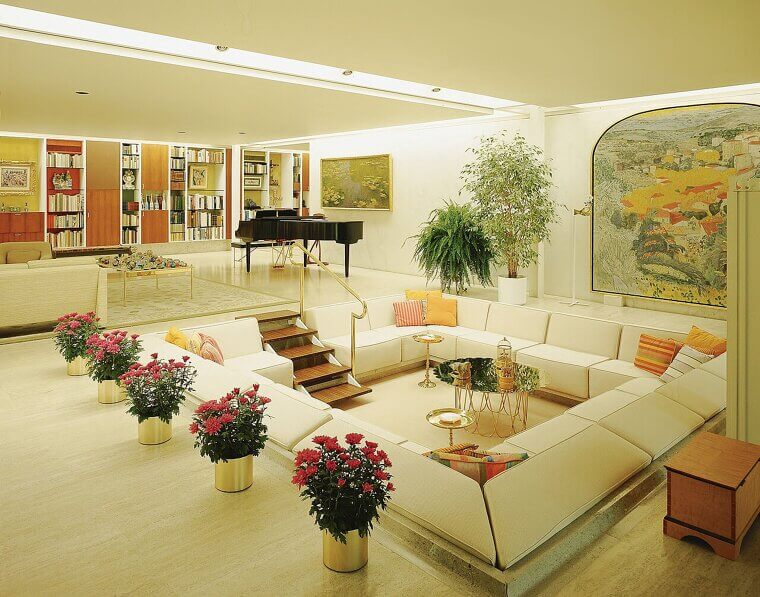
Many a dinner party guest reportedly took an accidental tumble into the carpeted abyss before they realized the floor had suddenly dropped away beneath their feet.
The Floral Explosion of Chintz Wallpaper
There was a period where "less is more" was completely ignored in favor of "more is flowers." Chintz wallpaper, characterized by its busy, multicolored floral patterns, covered every square inch of bedrooms and powder rooms. To truly achieve the look, one had to match the wallpaper to the curtains, the bedspread, and even the lampshades. Walking into one of these rooms felt like being hugged by a botanical garden.
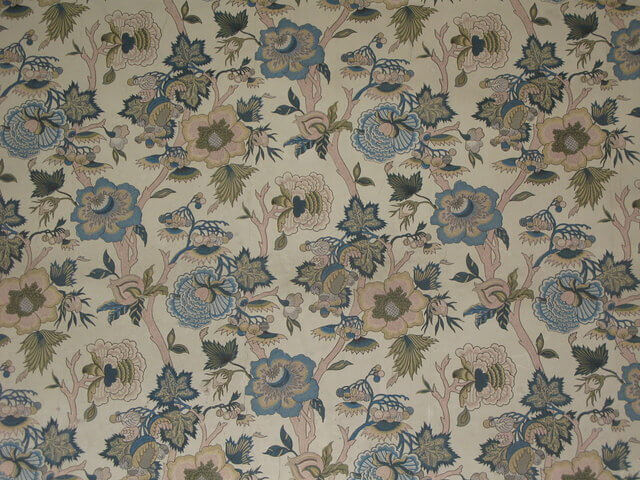
It was a feminine, traditional style that embraced a maximalist approach to comfort, making the home feel like a lush, English country estate regardless of the actual zip code.
The Reign of Macramé Owl Hangings
In the 1970s, no wall was complete without a piece of knotted rope art, specifically the ubiquitous macramé owl. These wide-eyed creatures were handcrafted using thick jute or cotton twine, often featuring wooden beads for eyes and a sturdy twig for a perch. They represented the "back-to-the-earth" movement and added a bohemian, textured touch to the home. Sometimes, they were large enough to dominate a wall or small enough to dangle from a rearview mirror.

No matter the size, these dusty fiber birds were a staple of the era’s crafty, DIY spirit and whimsical decor.
Bathroom Carpeting (The Ultimate Mystery)
Of all the trends we survived, wall-to-wall carpeting in the bathroom remains the most baffling. For a brief few decades, we decided that cold tiles were the enemy and that plush, absorbent fibers were the solution for the splash zone. Often color-coordinated with the toilet and sink, these carpets made the bathroom feel like a tiny, padded velvet box. While it was undeniably soft underfoot after a bath, the logic of placing a carpet near a bathtub and toilet was fundamentally flawed.
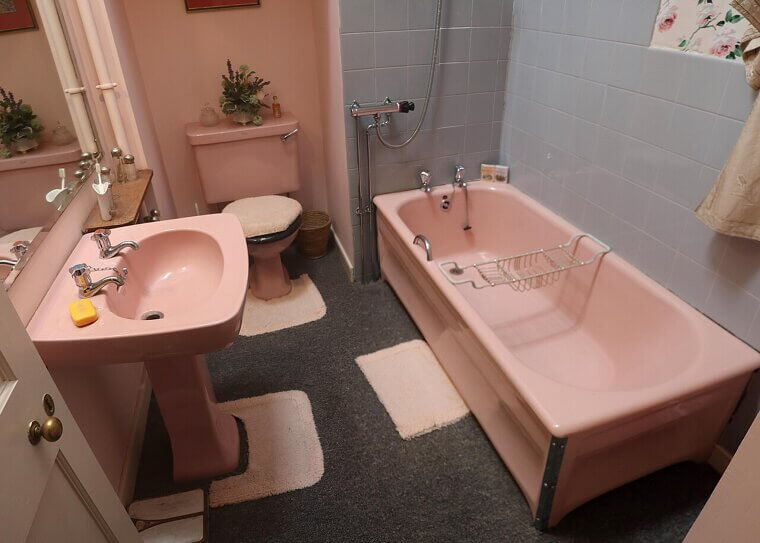
It’s a trend that has thankfully stayed in the past for hygiene reasons alone.
Avocado Green: Nature’s Favorite Kitchen Hue
If Harvest Gold was the king of the kitchen, Avocado Green was certainly the queen. This muted, earthy tone was everywhere—on dishwashers, ovens, and even those heavy rotary phones hanging on the wall. It reflected the decade's obsession with "natural" tones, though the actual finish was a very unnatural, glossy enamel. Pairing an avocado fridge with a floral wallpaper featuring browns and oranges was the pinnacle of interior style.
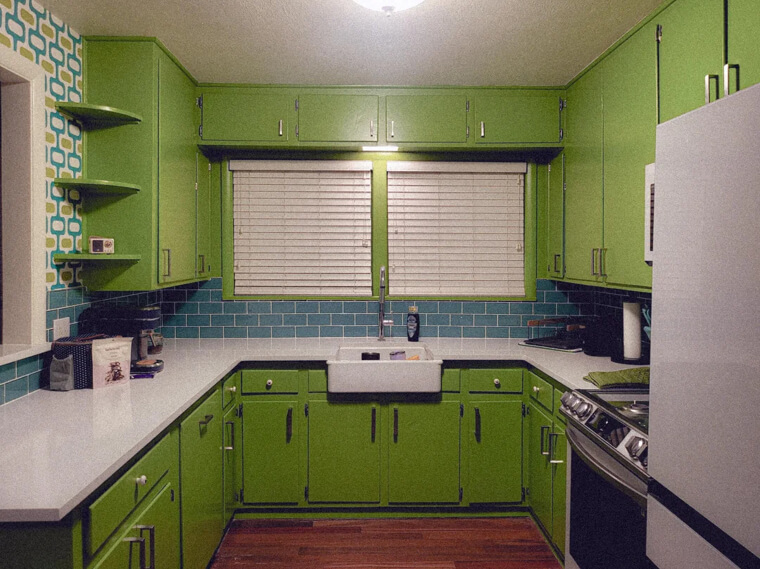
It’s a color that immediately triggers memories of simmering stews and the hum of a bulky, avocado-tinted ventilation hood above the range.
The Deep-Pile Shag Carpet Swamp
There was a specific era where we decided that our floors should mimic the coat of a prehistoric beast. Shag carpeting wasn't just a floor covering; it was a commitment to a lifestyle. Usually found in vibrant shades of burnt orange or lime green, these long fibers were notorious for swallowing loose change and small toys whole. Cleaning them required a specialized "shag rake" to keep the pile looking fluffy rather than matted.
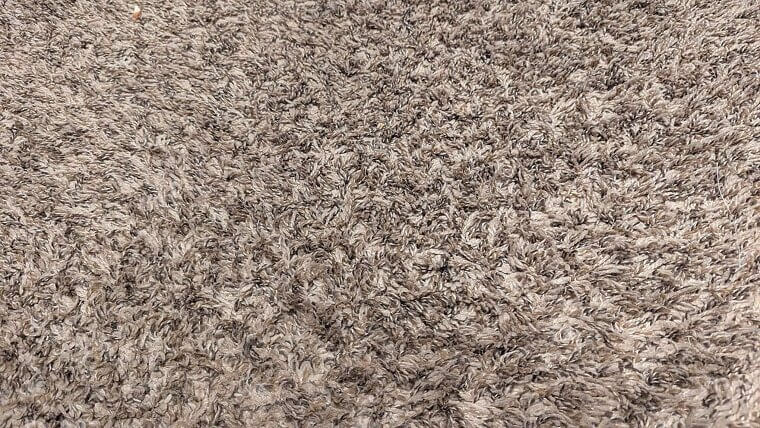
Despite the maintenance, there was nothing quite like the feeling of sinking your toes into that thick, synthetic wool while watching a Friday night movie.
The Glass Block Wall Aesthetic
In the eighties and nineties, glass blocks became the ultimate architectural flex for anyone wanting to look "modern." These thick, frosted squares were used for everything from shower stalls to entire interior walls, allegedly providing privacy while letting in diffused light. While they gave off a distinctively cool, industrial vibe, they also made many bathrooms look like the lobby of a high-end dentist’s office.
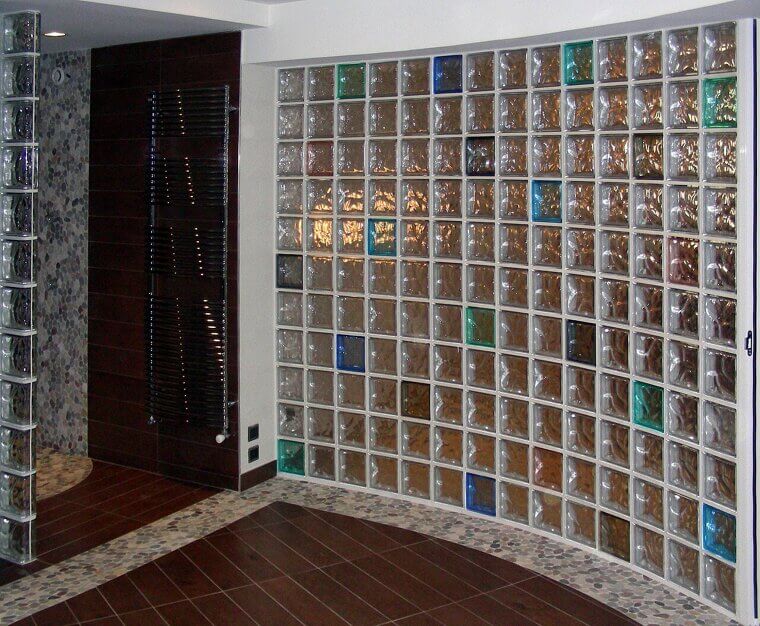
We loved them for their weight and the way they distorted figures into blurry shapes, adding a touch of futuristic mystery to a standard suburban floor plan.
Ruffled Toilet Seat Covers and Rugs
For a few decades, we treated the bathroom throne like a Victorian doll that needed a formal outfit. No bathroom was complete without a fuzzy, ruffled cover for the toilet lid, often accompanied by a matching U-shaped rug that hugged the base of the porcelain. These sets were usually made of a synthetic, plush material in shades of dusty rose or powder blue. They allegedly made the room feel "softer" and more coordinated.
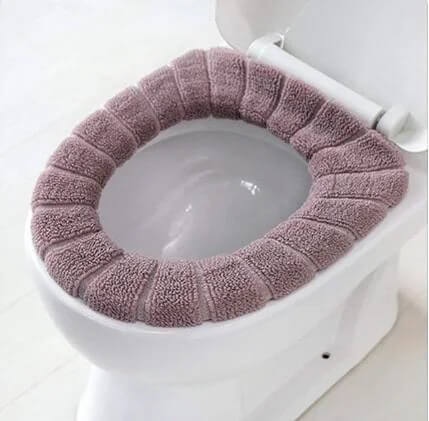
But they were notorious for slipping off the lid at the most inconvenient moments during a late-night visit.
Wicker Furniture in Every Room
During the seventies and eighties, we decided that if it could be woven, it belonged in the living room. Wicker and rattan furniture transitioned from the porch to the parlor, bringing a permanent "tropical vacation" vibe to landlocked homes. From the iconic fan-back "Peacock" chairs—a staple of graduation photos—to wicker coffee tables and étagères, this lightweight furniture was everywhere. It was notoriously creaky.
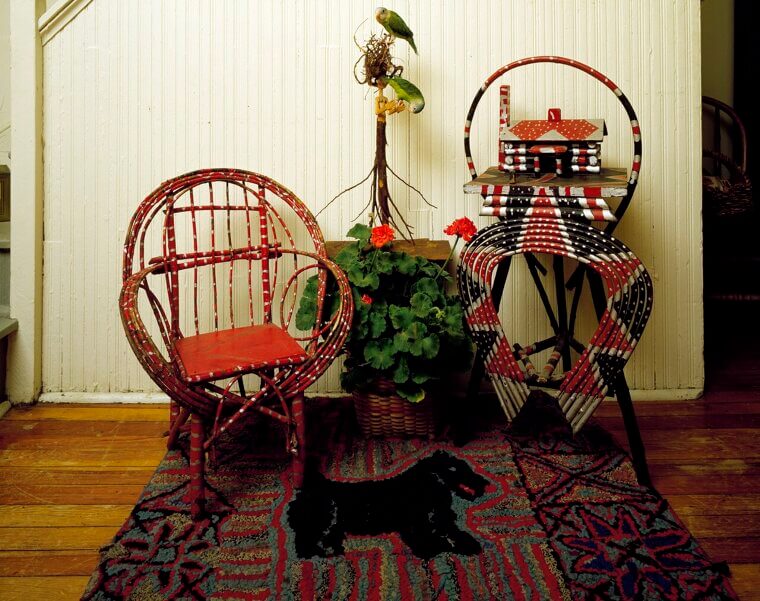
And if you wore shorts, the intricate weave left a temporary honeycomb pattern on your thighs that took at least twenty minutes to fade away.
The Country Kitchen Goose Motif
There was a specific point in time where every kitchen in America was seemingly guarded by a gaggle of wooden or ceramic geese. These "country geese" often wore blue ribbons or little bonnets and appeared on everything from hand towels to cookie jars. The aesthetic was meant to evoke a rustic, farmhouse charm, even if you lived in a high-rise apartment. It was a wholesome, cozy trend.
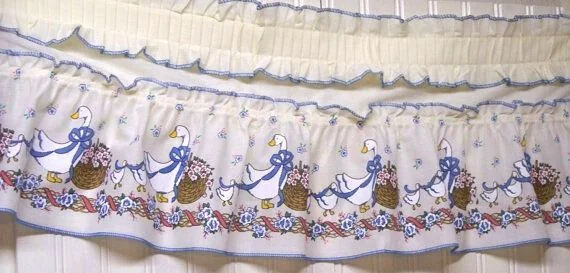
And it made the heart of the home feel like a storybook illustration, though we eventually realized that thirty geese in one kitchen might be overkill.
Mirrored Closet Doors (The Infinite Room)
To make small bedrooms feel like sprawling suites, we turned our closet doors into giant floor-to-ceiling mirrors. These sliding panels were a staple of late-twentieth-century design, allegedly doubling the visual space of a room while providing a perfect place to check your outfit. The downside was the constant battle against fingerprints and the occasional heart attack when you caught your own reflection out of the corner of your eye at night.
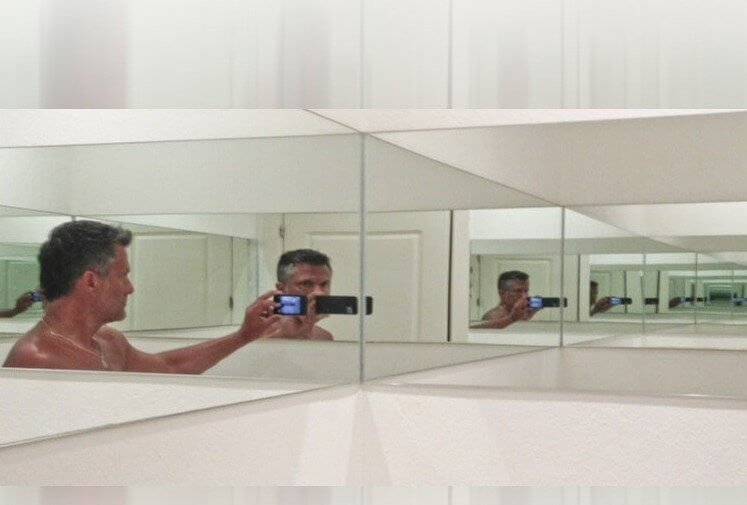
They were heavy, prone to jumping off their tracks, and required a lifetime supply of glass cleaner.
The Brass Bed Frame Obsession
A shiny, yellow brass bed frame was once the pinnacle of bedroom luxury. These ornate frames featured round knobs and curved bars that caught the light and gave the room a regal, traditional feel. They were often paired with heavy floral duvets and an abundance of lace-trimmed pillows. While they looked stunning when polished, they were notoriously squeaky every time you rolled over. Many of these beds reportedly tarnished over time.
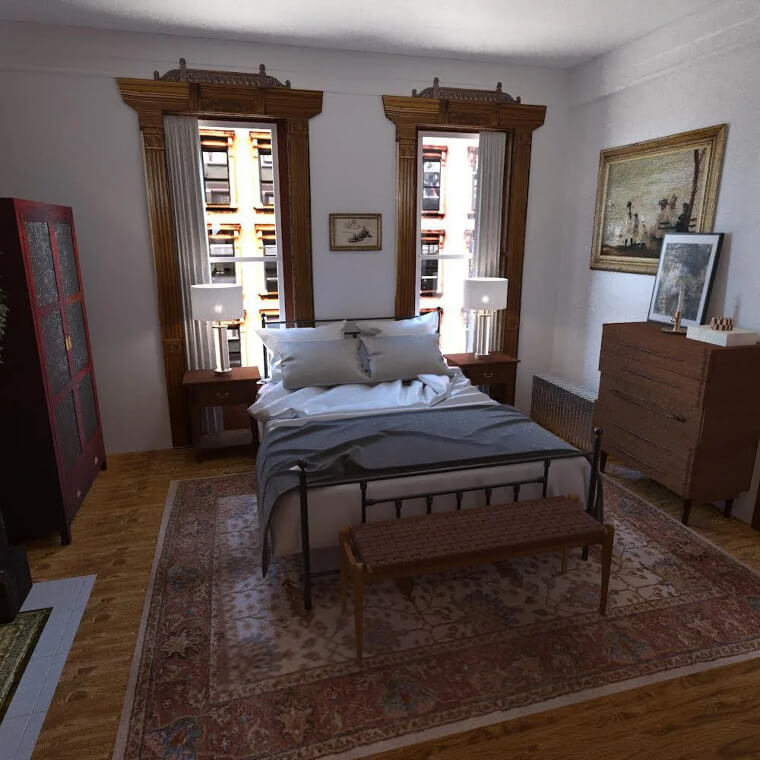
That led to a duller look that eventually paved the way for the more muted iron or wooden frames of the modern era.
Velvet Painting Masterpieces
Before we had high-definition prints, we had art painted directly onto black velvet. These tactile masterpieces often depicted scenes of bullfighters, Elvis Presley, or majestic woodland creatures like howling wolves and grazing deer. The black background made the neon-bright colors pop, creating a dramatic and somewhat "moody" atmosphere in the den or basement. While high-brow art critics might have turned their noses up, these paintings were a beloved staple of casual home decor.
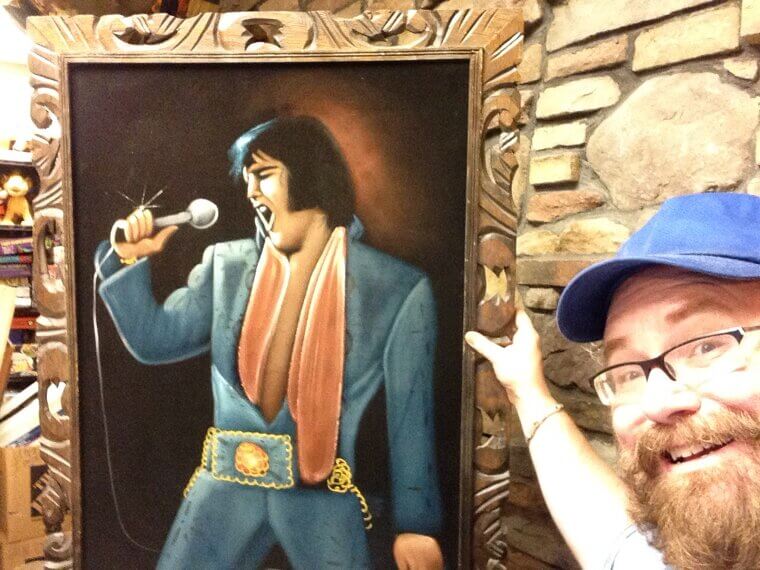
They provided a soft, fuzzy texture to the walls that was uniquely satisfying to touch.
Waterbeds: A Night on the High Seas
Sleeping on a giant bag of water was once considered the height of ergonomic sophistication. Waterbeds were the "it" item for bedrooms in the seventies and eighties, allegedly providing a weightless sleep experience that was better for your back. They required a sturdy wooden frame to hold the massive weight and an electric heater to keep the water from becoming freezing cold. However, getting in and out of one was an athletic feat.
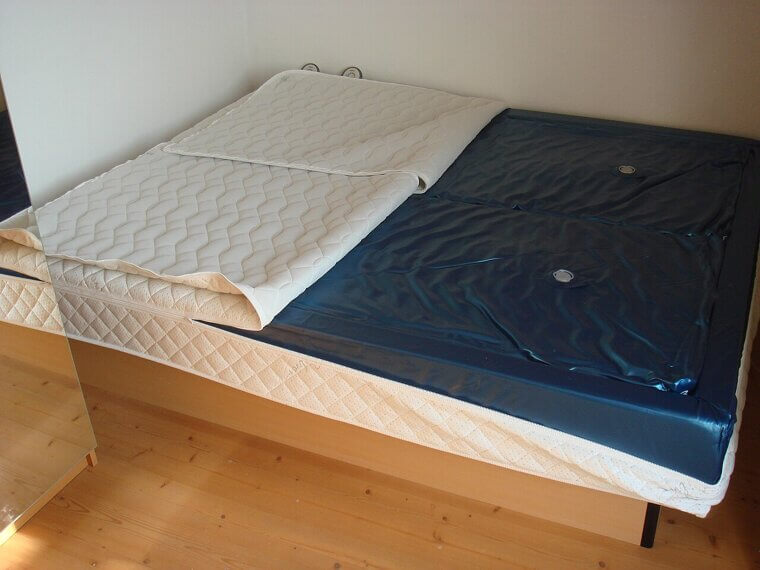
And the constant "sloshing" sound whenever your partner moved made many sleepers feel like they were adrift at sea.
Vertical Blinds: The Plastic Forest
In an effort to modernize window treatments, we replaced soft curtains with rows of long, hanging plastic slats known as vertical blinds. They were particularly popular for sliding glass doors and large picture windows. While they were practical for controlling light, they made a very specific "clacking" sound whenever a breeze blew through the room. Cats and children famously loved to disappear into the "forest" of slats.
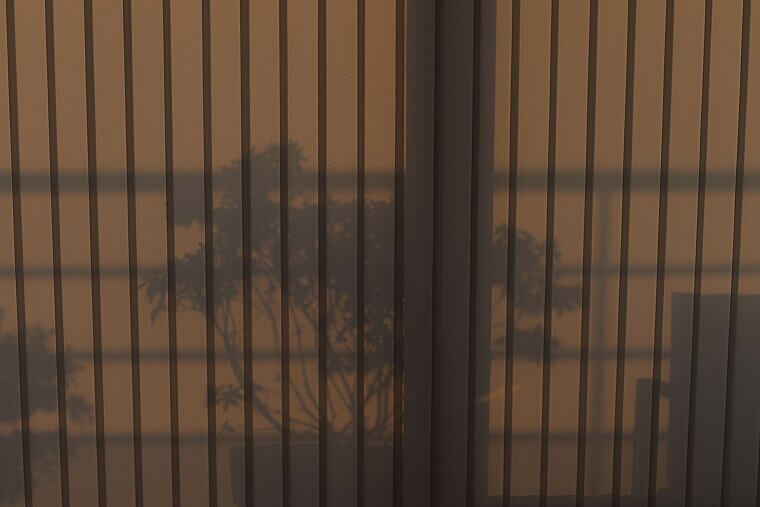
This often resulted in bent or missing pieces that left a permanent gap in the window’s coverage and ruined the sleek, uniform look.
Lace Doilies on Every Surface
To protect our wooden furniture from scratches and dust, we covered every coffee table, end table, and sideboard with intricate lace doilies. These small, crocheted circles or rectangles were often handmade by a talented aunt or grandmother and added a delicate, "shabby chic" touch to the home long before that term existed. They were particularly popular under lamps and vases, though they had a frustrating habit of sticking to the bottom of a cold glass of lemonade.
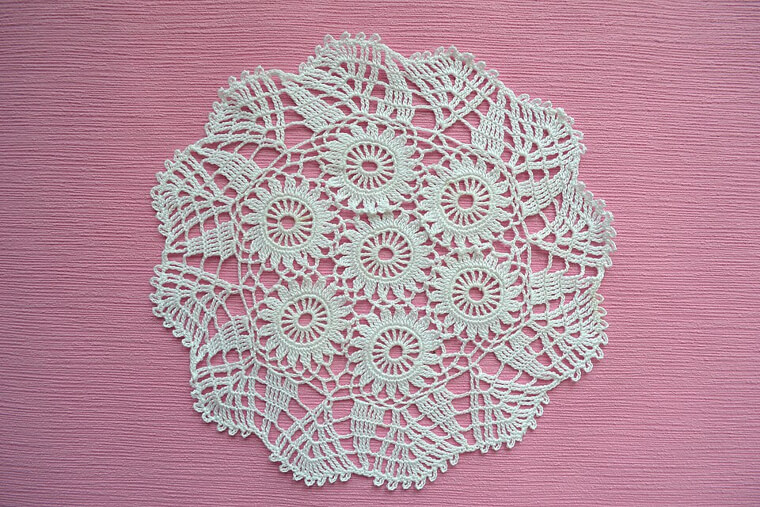
And that caused a soggy mess when you lifted your drink for a sip - a pain for us all.
Beaded Curtains as Room Dividers
In the quest for a more "open concept" feel, we did away with solid doors and replaced them with strings of hanging beads. Whether they were made of wood, plastic, or even shimmering glass, beaded curtains provided a rhythmic "swish" every time someone walked through them. They were the ultimate cool-kid accessory for bedrooms or the entrance to a "groovy" den. They didn't offer much in the way of soundproofing or privacy.
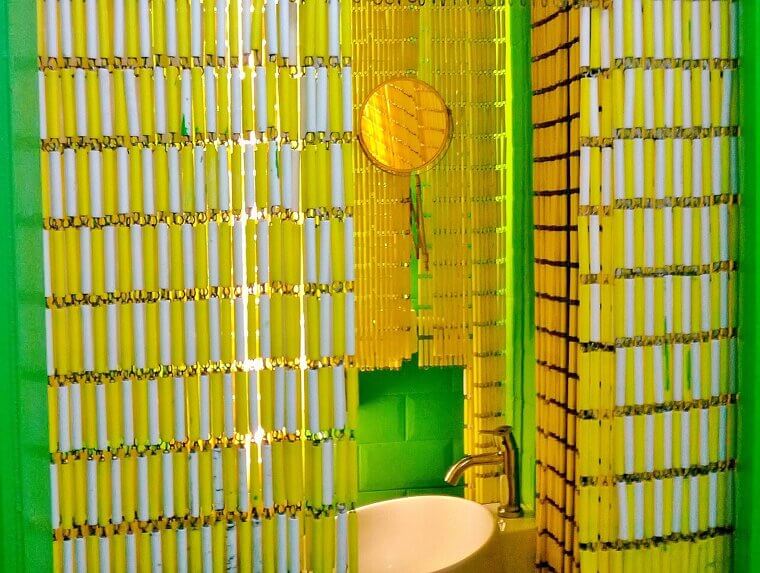
But they added a playful, bohemian touch to the home that made every entrance feel like a theatrical event.
Dried Flower Arrangements in Vases
Long before fresh eucalyptus became the standard, we filled our homes with large bundles of dried flowers and pampas grass. These arrangements were usually found in tall floor vases in the corner of the dining room or on top of the television. While they allegedly added a touch of timeless beauty to the decor, they were essentially permanent dust magnets. If you bumped into them, they would drop a shower of brittle petals and seeds onto the carpet.

That feature made them a "look but don't touch" feature of many high-traffic areas.
Clear Plastic Furniture Slipcovers
Grandmothers across the nation were pioneers of a trend that prioritized preservation over tactile comfort: the clear plastic sofa cover. These thick, crinkly sheets were designed to protect the pristine upholstery beneath from spills, pet hair, and human contact. Sitting on them during a humid summer afternoon was an experience in itself, as your skin would inevitably stick to the vinyl with a loud "pop" when you tried to stand up.
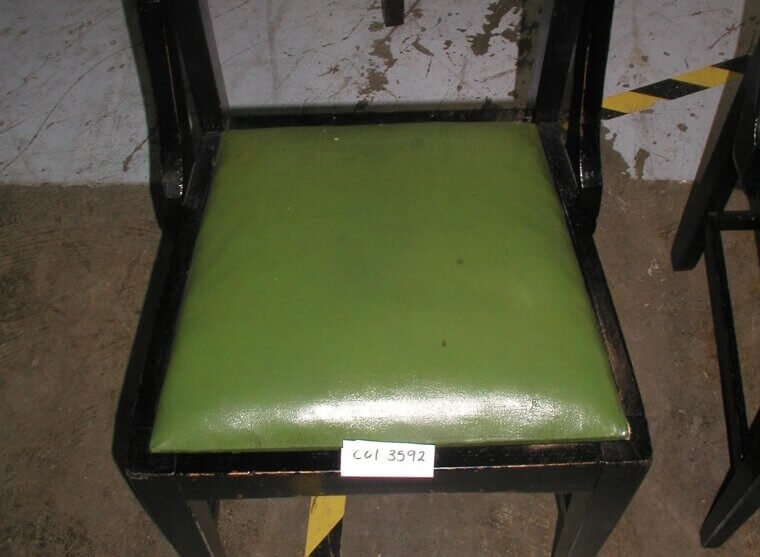
They were allegedly a status symbol, showing off your expensive furniture while ensuring it remained in showroom condition for a "someday" that rarely ever arrived.
The Popcorn Ceiling Obsession
If you look up in almost any home built between the sixties and nineties, you’ll likely see the bumpy, textured surface known as the "popcorn" or "cottage cheese" ceiling. This spray-on treatment was incredibly popular because it hid imperfections in the drywall and allegedly provided acoustic benefits by dampening sound. However, it also became a magnet for dust and cobwebs, and trying to paint it was a nightmare of crumbling bits.
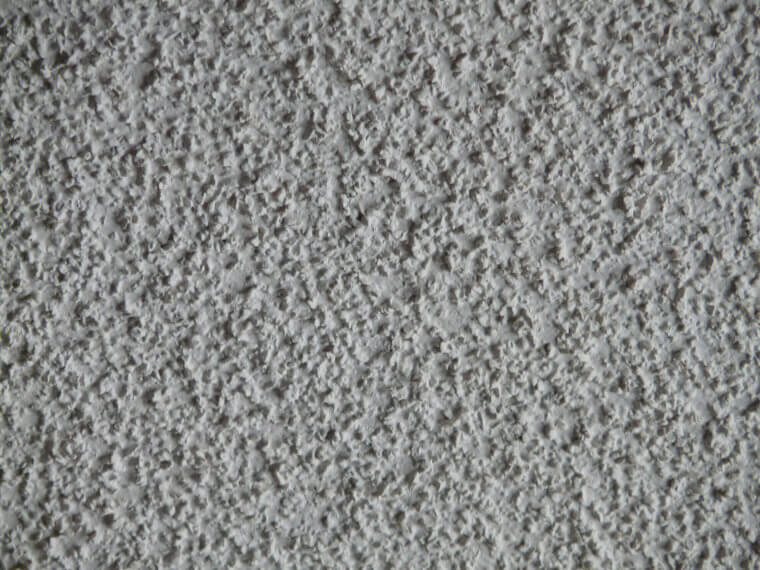
It was a standard feature of suburban life, providing a rough, snowy landscape above our heads that we eventually spent decades trying to scrape off.
The Solid Oak "Pedestal" Dining Table
If you grew up in a house in the eighties, you likely ate dinner at a heavy, round oak table supported by a single, chunky pedestal leg. These tables were incredibly sturdy and usually came with a set of "pressed back" chairs that featured intricate designs in the wood. They were the center of family life, surviving everything from spilled milk to intense homework sessions.
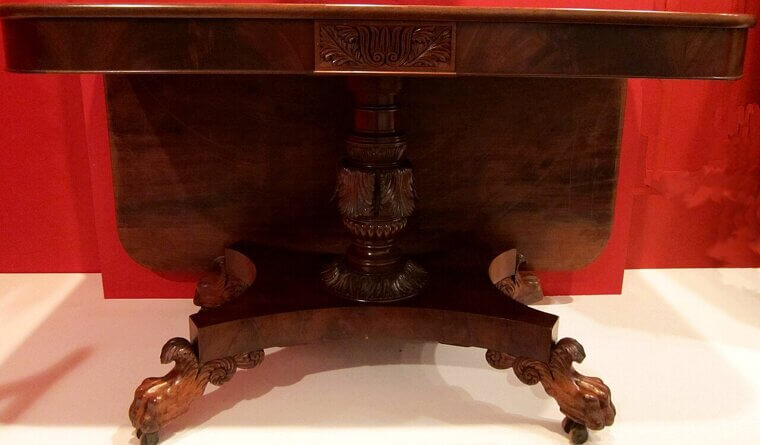
The warm, honey-toned finish of the oak was meant to signify quality and longevity, making it a piece of furniture that many families kept for several decades.
Track Lighting: The Gallery Look
Suddenly, in the eighties, we all wanted our living rooms to look like modern art galleries. This led to the rise of track lighting—long metal rails bolted to the ceiling with adjustable "cans" that could be pointed at specific pieces of furniture or art. While it provided excellent task lighting, it also had a tendency to make the room feel incredibly hot, as the halogen bulbs of the era were essentially tiny space heaters.
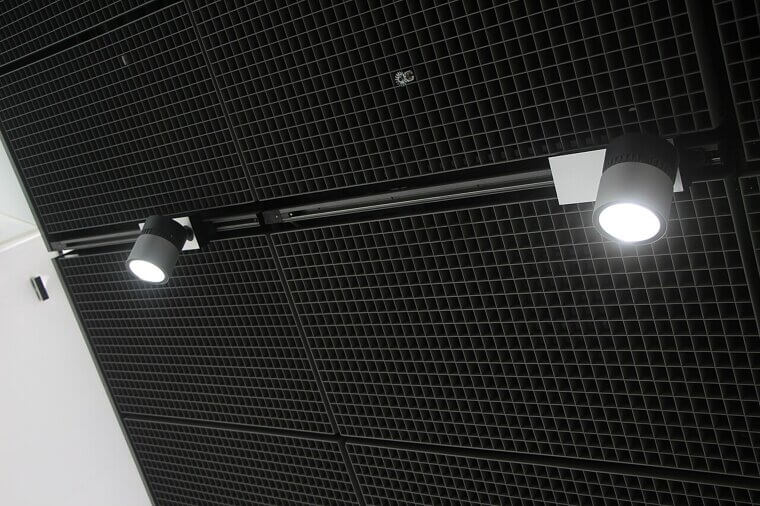
If you didn't angle them perfectly, you’d end up sitting on the sofa with a blinding spotlight directly in your eyes.
Floral Borders and Wallpaper Trims
In the nineties, we weren't satisfied with just wallpaper; we needed a decorative border to "frame" the room. These five-inch-wide strips of paper usually featured repetitive patterns of ivy, roosters, or Victorian tea sets and were pasted precisely at the top of the wall or at chair-rail height. They were the ultimate finishing touch that allegedly tied the whole room’s color palette together. Removing them years later became a rite of passage for many homeowners.
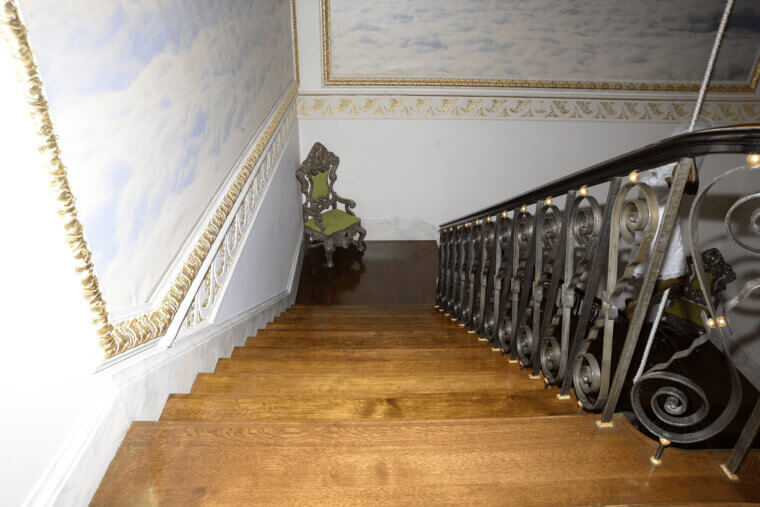
That stubborn adhesive seemed designed to stay on the wall for an entire century.
Southwestern Sunset Colors
For a period in the late eighties and early nineties, every home seemed to be inspired by the deserts of New Mexico. The palette was strictly limited to dusty rose, seafoam green, and terracotta orange. We decorated with bleached cow skulls, coyote figurines wearing bandanas, and zig-zag Navajo-inspired patterns on our throw pillows. It was a trend that brought a warm, "Santa Fe" vibe to the suburbs.
It made us all feel a little bit more artistic and earthy, even if the closest we ever got to the desert was a roadside taco stand.
The Fern and Macramé Jungle
Before "houseplant parents" were a social media trend, we had the indoor jungle of the 1970s. This era was defined by an abundance of Boston ferns cascading from the ceiling in macramé hangers. These plants were usually positioned near a window, creating a green screen of foliage that blurred the line between indoors and outdoors. Maintaining them was a full-time job of misting and sweeping up fallen brown needles.
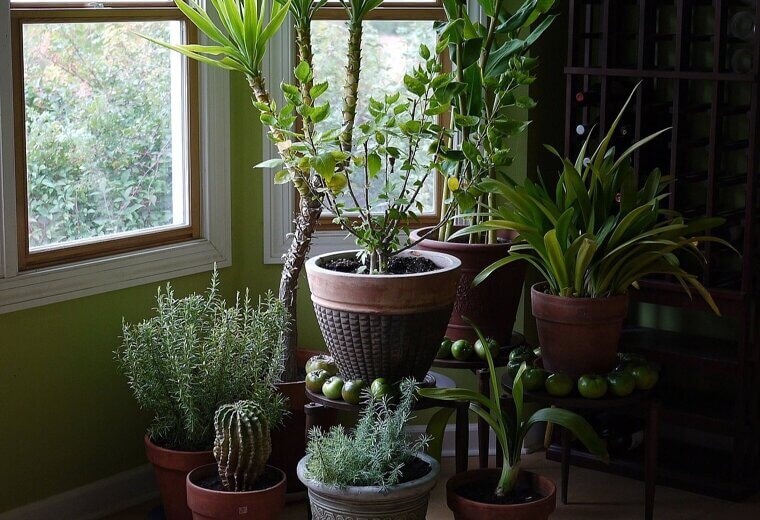
But they provided a lush, vibrant energy to the wood-paneled rooms of the time, making every living room feel like a cozy, botanical conservatory.
The L-Shaped Sectional With Built-In Cup Holders
As the concept of the "home theater" began to take root, the furniture adapted to accommodate our snacks. The massive L-shaped sectional sofa became the king of the living room, often featuring built-in recliners, hidden storage compartments, and the holy grail: plastic cup holders in the armrests. These sofas were so large they often dictated the entire layout of the room. They were incredibly comfortable for a Sunday afternoon nap.
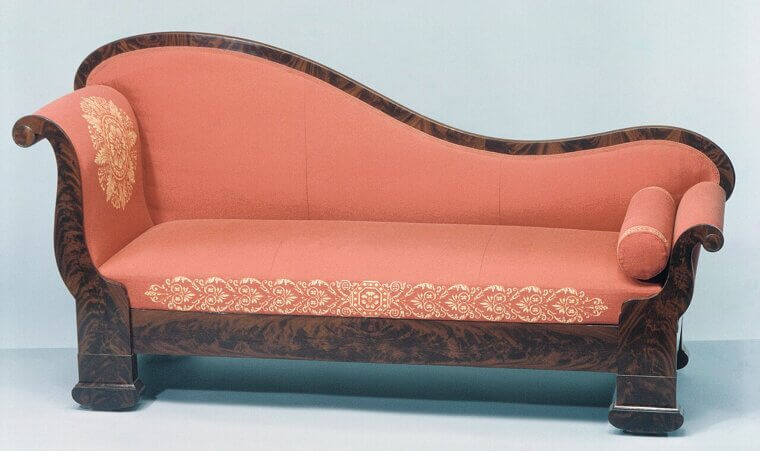
But they were notoriously difficult to move, often requiring a team of strong relatives to navigate them through a standard doorway.
The Heavy "Dolphin" Bathroom Faucets
There was a brief moment of extreme luxury in the late eighties where standard chrome faucets just wouldn't do. Instead, we installed heavy, gold-toned or brass faucets shaped like dolphins or swans. Water would pour out of the animal’s mouth, turning a simple hand-washing task into a theatrical display of opulence. These fixtures were often paired with marble-look laminate countertops and gold-veined mirrors. They certainly made a statement.

But they were a nightmare to keep polished and often looked a bit out of place in a standard three-bedroom ranch-style home.
Primary Color "Modernism" for Kids
In the late eighties and early nineties, children's rooms moved away from pastels and into the world of aggressive primary colors. Red, yellow, and blue plastic furniture became the standard, often featuring bold "blocky" shapes. This aesthetic was allegedly inspired by modern art and educational theories, but it often made the bedroom look like a fast-food play area. From bright red bed frames to primary-colored plastic crates for toy storage, it was a high-energy environment.
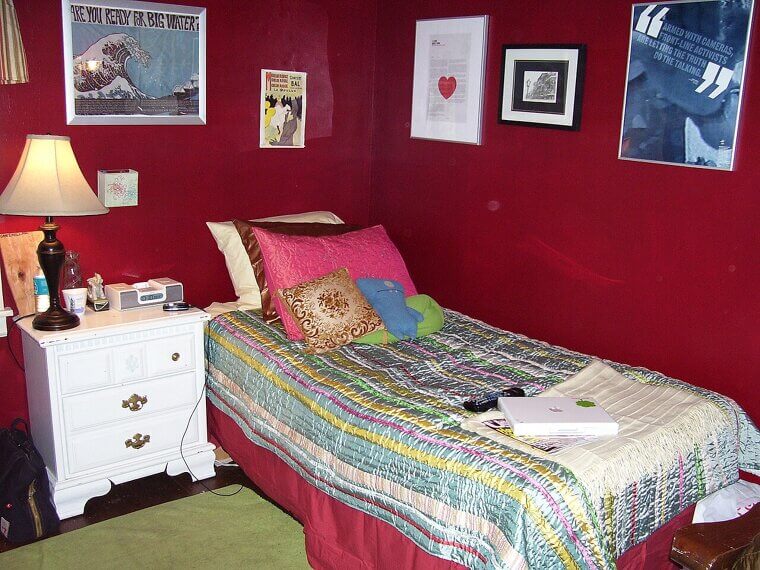
And while it was certainly easy to clean, it was perhaps a bit overstimulating for a good night's sleep.
Neon Signs as "Mood Lighting"
Influenced by the bright lights of the city and eighties pop culture, some homeowners decided to bring the bar aesthetic home with neon signs. Whether it was a glowing beer brand logo in the basement bar or a neon pink flamingo in the bedroom, these buzzing glass tubes provided a vibrant, synthetic glow. They allegedly gave the home a "party" atmosphere, though the constant humming sound and the fragile nature of the gas-filled tubes was nearly unbearable.

They were eventually replaced by the much quieter and safer LED strips we see in modern homes today.
Matching "Bed-In-A-Bag" Sets
The easiest way to achieve a professional designer look in the nineties was the "bed-in-a-bag" set. For one low price, you received a comforter, a fitted sheet, a flat sheet, two pillowcases, and two decorative shams—all featuring the exact same busy pattern. Whether it was a bold geometric print or a soft watercolor floral, your bed became a uniform block of color. It was the ultimate convenience for busy families.
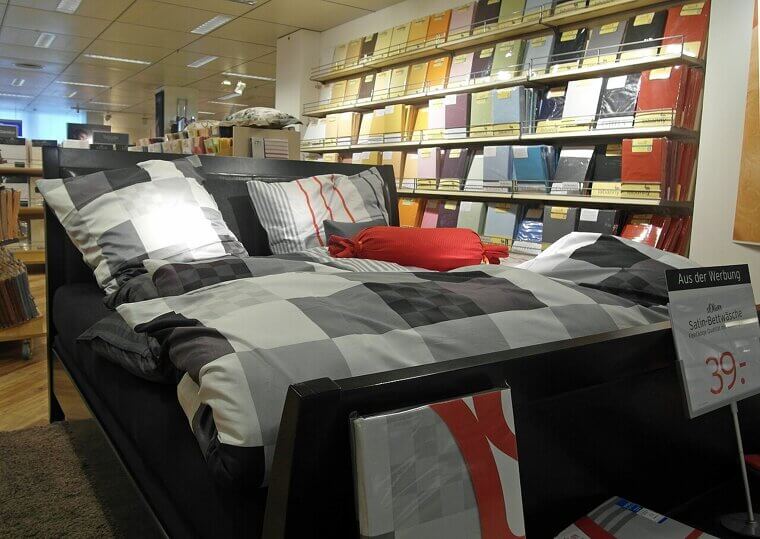
Though it meant your bedroom looked exactly like thousands of others across the country who shopped at the same department store.
The Oversized "Entertainment Center"
Before televisions were thin enough to hang on a wall like a picture frame, they were massive, heavy boxes that required their own zip code. To house them, we bought enormous wooden "entertainment centers" that took up an entire wall. These units had dedicated cubbies for the VCR, the stereo system, and hundreds of VHS tapes and CDs behind glass doors. They were the undisputed focal point of the living room.
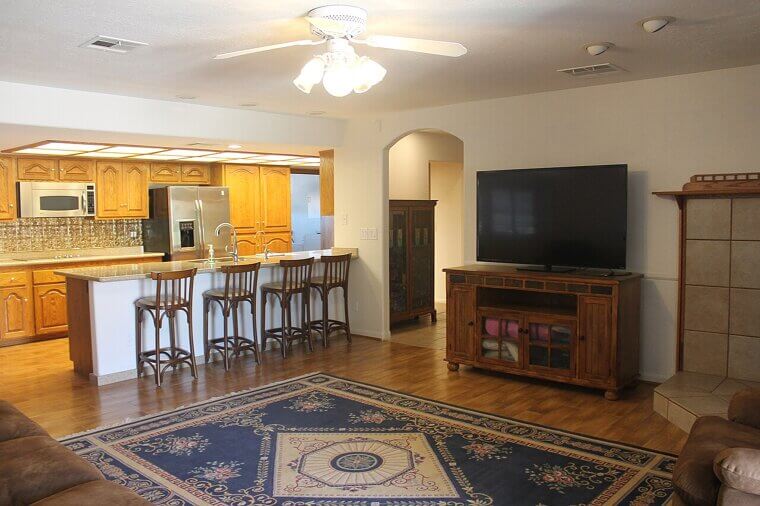
They were a massive shrine to technology that became obsolete almost overnight once flat-screen TVs and streaming services entered the scene.
Fruit-Themed Wallpaper Borders in the Kitchen
To complement the country goose motif, many kitchens also featured a wallpaper border strictly dedicated to fruit. Usually positioned at the top of the cabinets, these borders depicted cornucopias, overflowing baskets of grapes, or shiny red apples. The idea was to celebrate abundance and make the kitchen feel like a bountiful harvest. However, the colors—often dark reds and forest greens—could make a small kitchen feel a bit claustrophobic.
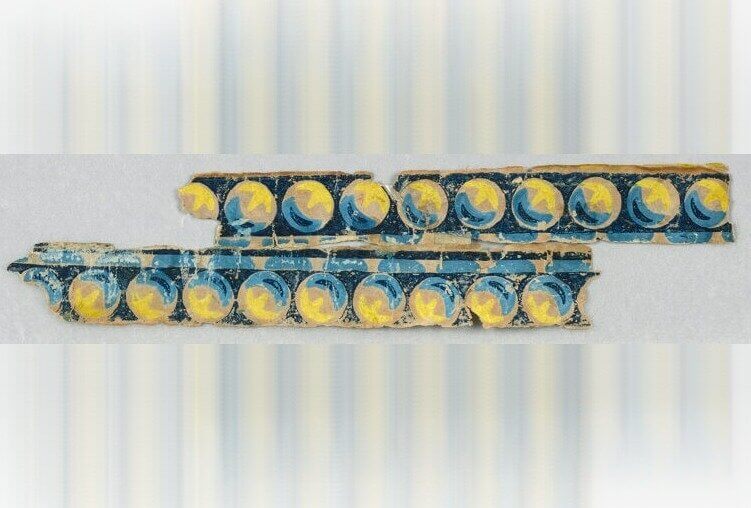
It was a wholesome trend that reminded us all of a simpler time when "apple-themed" was a valid design choice.
The "Conversation" Telephone Nook
In older homes built before the cordless phone revolution, there was often a built-in "nook" in the hallway specifically designed for the rotary telephone. This small, recessed shelf sometimes included a tiny bench where you could sit and gossip for hours. It was the hub of the household’s communication, often featuring a messy phone book and a notepad for taking messages. These nooks are now mostly used for decorative vases or keys.
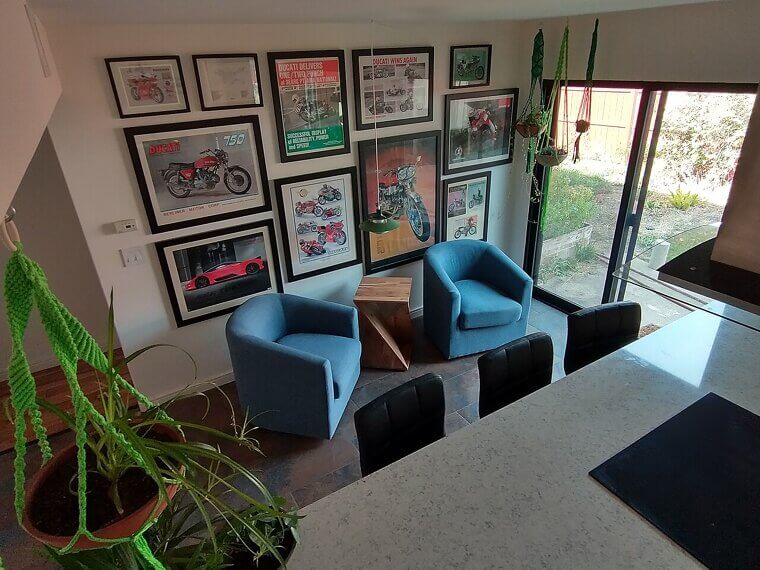
But they remain a charming architectural reminder of a time when "calling someone" was a stationary, focused activity.