Sarah and James Thought They Were Purchasing an Ordinary Fixer-Upper
When Sarah and James Miller purchased the weathered Miller-Caldwell estate in the autumn of 2025, they thought they were simply buying a "fixer-upper" with good bones. The sprawling, two-story farmhouse had sat vacant on the edge of the valley for nearly three decades, its history obscured by overgrown ivy and local rumors of a family that simply walked away one night in the mid-1940s. As the couple peeled back the layers of neglect, they realized the house wasn’t just a structure.
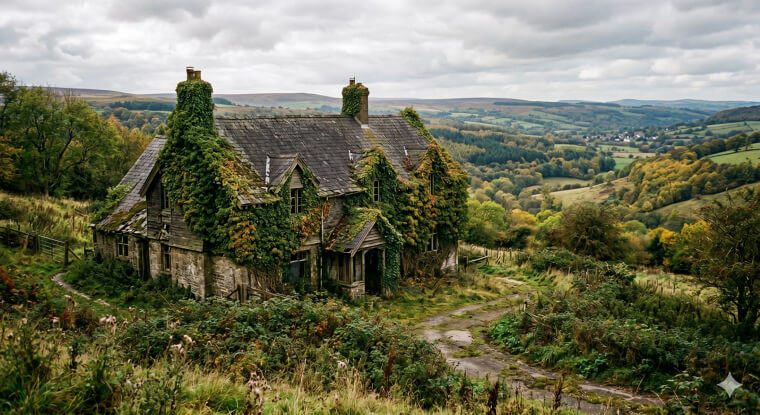
It was a carefully constructed puzzle. Every wall they opened and every floorboard they lifted whispered a new detail about the lives of those who built it, turning a simple home renovation into a deep-dive investigation into a century of hidden lives.
The Hollow Echo That Kept a Great Depression Secret
When the renovation began in the front hallway, the heavy oak floorboards sounded suspiciously light under the weight of the contractors’ boots. Upon prying up a single, loose plank near the door, Sarah discovered a shallow, brick-lined cavity that wasn’t part of the original foundation. Inside sat a rusted metal lockbox, perfectly preserved away from the damp earth. This hidden compartment was likely a "poor man's safe."
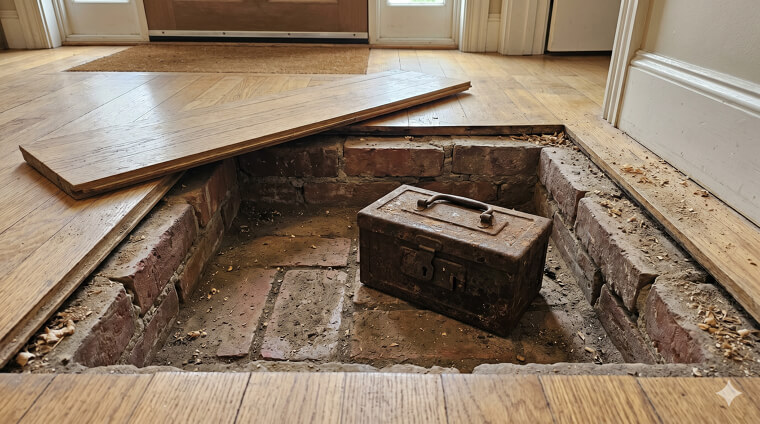
It was used by the original 1920s inhabitants to protect their most precious legal documents or perhaps a small stash of emergency cash during the lean years of the Great Depression. This initial discovery proved that the house was designed to keep secrets from the very start.
A Dusty Rafter Map That Redrew the Property Lines
The investigation moved upward into the attic, where James found a drawing etched directly into the cedar siding in a dark corner. The faded charcoal lines depicted the farmhouse as it looked in 1926, including several outbuildings that no longer exist today. This architectural "graffiti" was allegedly left by the master carpenter who framed the house. It provided a literal roadmap of the estate’s evolution, showing where a summer kitchen once stood.
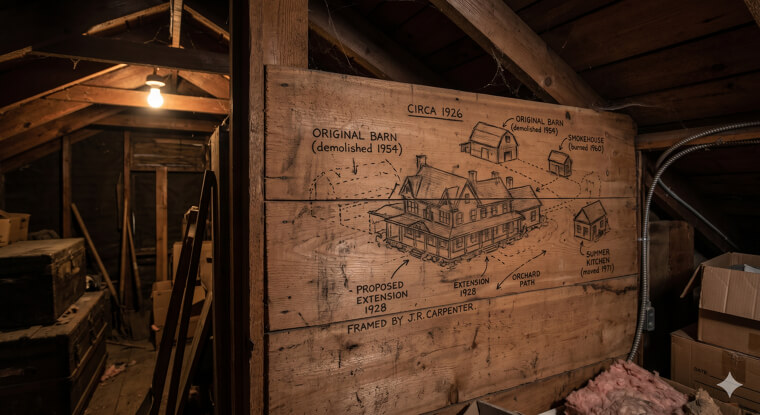
It also had a marking that represented the location of a well that had been filled in decades ago, effectively grounding the renovation in its true, forgotten history and helping the couple locate the original garden boundaries.
The Mason’s Hand-Carved Signature of a Wandering Soul
While stripping away layers of soot-stained plaster from the central fireplace to expose the original stone, a singular, hand-carved symbol emerged on the cornerstone. The mark resembled a stylized wheat stalk entwined with a compass. Local historians suggest this was a unique signature of a wandering stonemason who traveled through the valley during the early twentieth century. Such marks were reportedly more than just signatures; they were symbols of quality and pride.
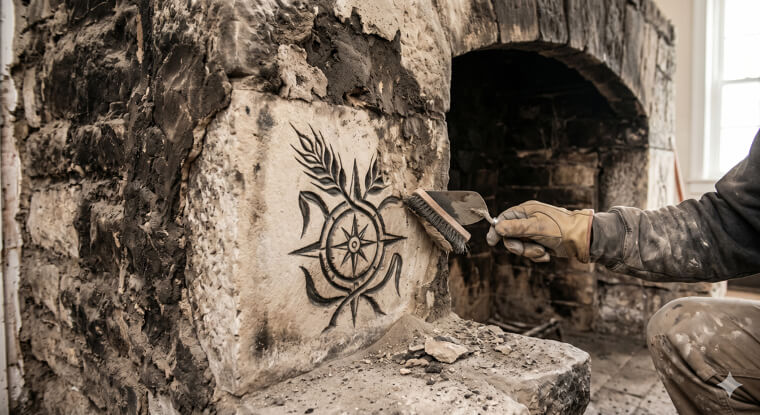
Finding this specific engraving confirmed that the farmhouse was built by skilled craftsmen who viewed their labor as a lasting legacy, ensuring the home would stand for another hundred years.
The Fading Heights of Children Who Disappeared in 1944
In the master bedroom, Sarah carefully peeled back five layers of dated floral wallpaper, only to find a series of handwritten dates and height measurements. These pencil marks tracked the growth of three children—Arthur, Eleanor, and Silas—stretching from 1931 to 1944. It was a poignant, vertical timeline of a family’s life, frozen against the original plaster. The smallest marks ended abruptly in the early forties, suggesting a sudden departure or perhaps a move to the city.
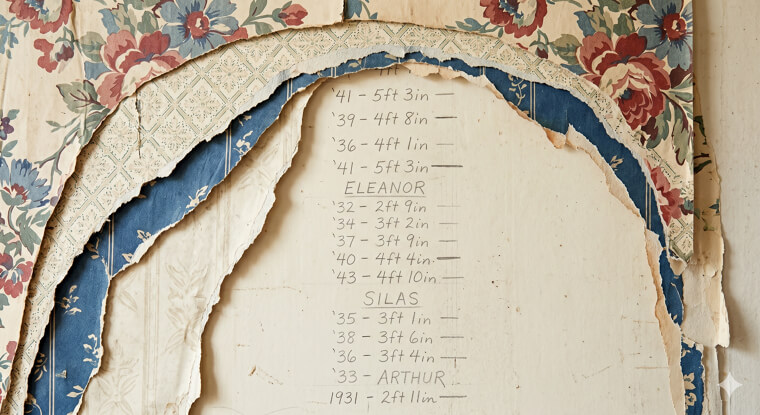
This discovery transformed the room from a mere construction site into a living record of a family’s most intimate and fleeting moments before they vanished.
A Hidden Hinge That Protected a Clandestine Prohibition Stash
One bookshelf in the library felt unusually heavy and resisted being moved even after all the books were cleared for the painters. A closer inspection revealed a clever, hidden pivot hinge integrated into the baseboard molding. When a specific decorative carving was pressed, the entire unit swung inward to reveal a tiny, windowless closet. This "priest hole" style chamber was reportedly used during the prohibition era to hide a private collection of spirits.
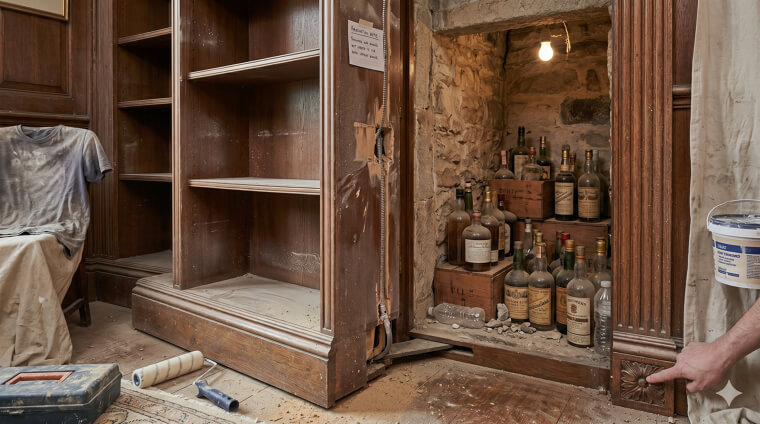
The craftsmanship was so seamless that it had remained unnoticed by three previous sets of owners, serving as a testament to the home’s clandestine architectural past and the family's rebellious streak.
The Unsent Letters That Exposed a 1938 Family Scandal
Underneath the library, in the upstairs hallway, one particular floorboard featured a knot that looked slightly too perfect. Pushing down on the knot caused the opposite end of the plank to pop up, revealing a narrow slot designed for hiding thin items. Inside, Sarah found a stack of unsent letters tied with a frayed blue ribbon. These letters, dated 1938, were addressed to a recipient in a nearby town but were never mailed.
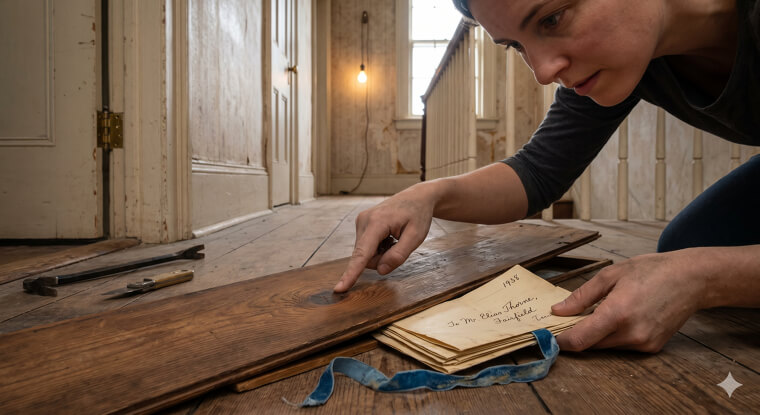
They allegedly detailed a secret plan to sell the farm behind the patriarch's back, hinting at a family disagreement that might have changed the course of the property’s long-term ownership forever.
A Tiled Time-Stamp That Solved an Age-Old Completion Mystery
The original bathroom featured a striking black-and-white hexagonal tile floor that James was determined to save. While cleaning the grout, he noticed that a few tiles were intentionally placed out of pattern. When viewed from the doorway, these "errors" formed a sequence of numbers: 10-12-24. Research into the local archives revealed this was the exact date the house was officially completed. This subtle, geometric "time stamp" was a common practice for proud homeowners of the era.
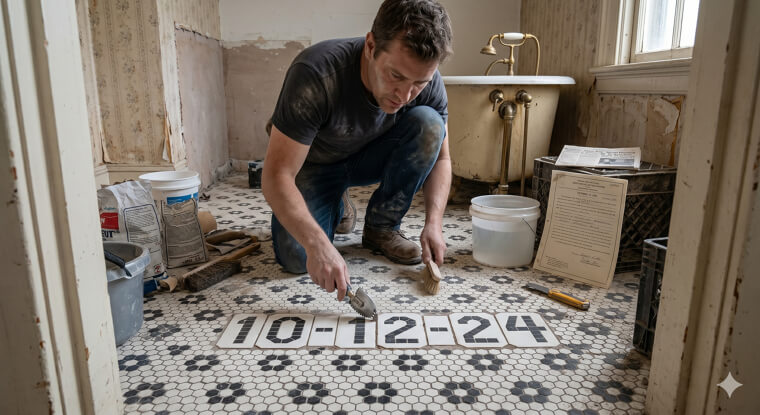
Especially ones who wanted to sign their work in a way that only a keen, observant eye would ever manage to notice or understand a century later.
The Engagement Diamond That Permanently Marked the Glass
The glass in the dining room windows is original "wavy" cylinder glass, which creates a distorted, watery view of the garden Sarah was restoring. On one pane, a name—"Clara"—had been delicately etched with a diamond ring. Legend has it that Clara was the daughter of the original owner, and she carved her name on the day she became engaged. The etching is only visible when the afternoon sun hits the glass at a specific forty-five-degree angle.
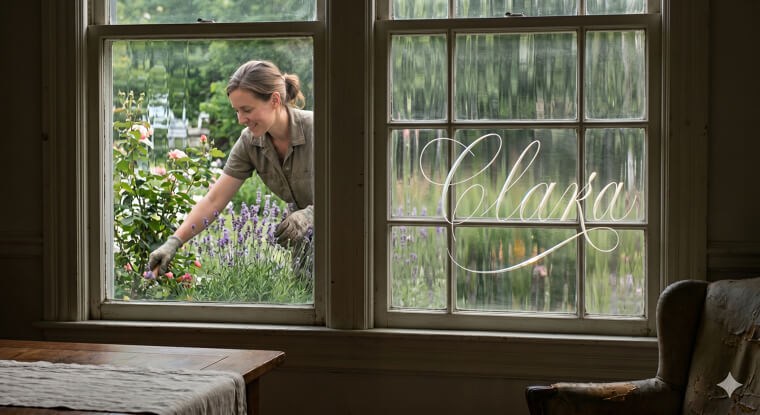
This tiny, crystalline signature provides a direct, sparkling connection to a young woman who watched the seasons change through that very same glass a century ago.
Wall Padding That Captured the Final Days of the Roaring Twenties
While replacing a drafty section of the kitchen wall, the crew found that the gaps between the studs were packed with tightly rolled newspapers. These weren't just trash; they were a snapshot of October 1928. The headlines discussed the booming stock market and local agricultural prices, blissfully unaware of the financial crash that would arrive just one year later. Using newspapers for insulation was a common, frugal practice in rural farmhouses.
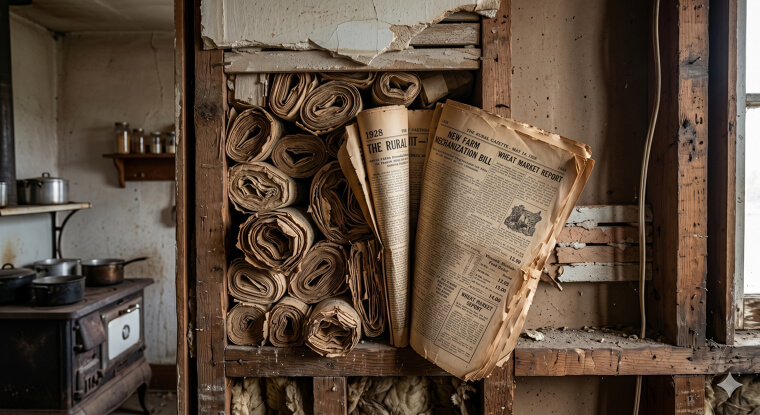
Seeing those crisp, yellowed pages felt like opening a time capsule that captured the optimistic spirit of the country just before its greatest economic struggle and the subsequent lean years for the farm.
An Engineering Marvel Beneath the Porch That Saved the Farm
Removing the rotted floorboards of the wraparound porch revealed a massive, stone-lined pit that had been capped with heavy timber. This was an ancient cistern, designed to collect rainwater from the roof for household use. It was an engineering marvel for its time, featuring a sophisticated filtration layer of charcoal and gravel. While no longer functional, the cistern revealed how self-sufficient the farmhouse had to be in an era before reliable municipal water.
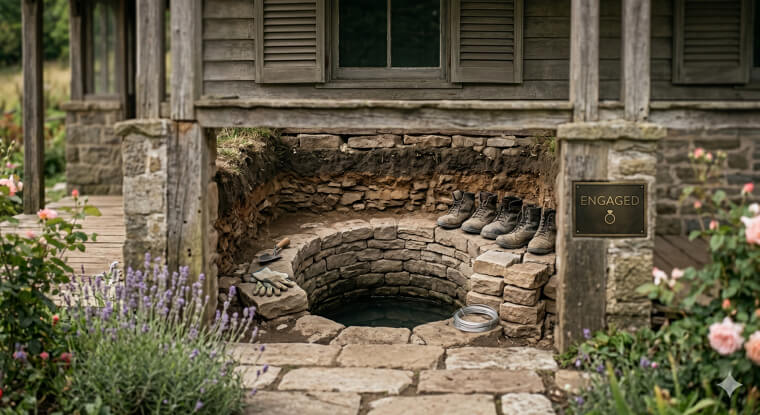
It served as a reminder of the practical ingenuity required to maintain a thriving homestead in the rugged, early twentieth-century countryside during years of extreme drought.
The Crimson Guardian Tucked Away for Spiritual Protection
During a structural inspection of the attic flue, a small wooden horse was found wedged behind a loose brick. The toy was hand-carved and painted a deep crimson, though most of the pigment had flaked away over the decades. It is a common folklore tradition to place a child’s toy within the walls of a new home to bring good luck and protect the family’s offspring. Finding this "protection" toy suggested that the builders were deeply superstitious.
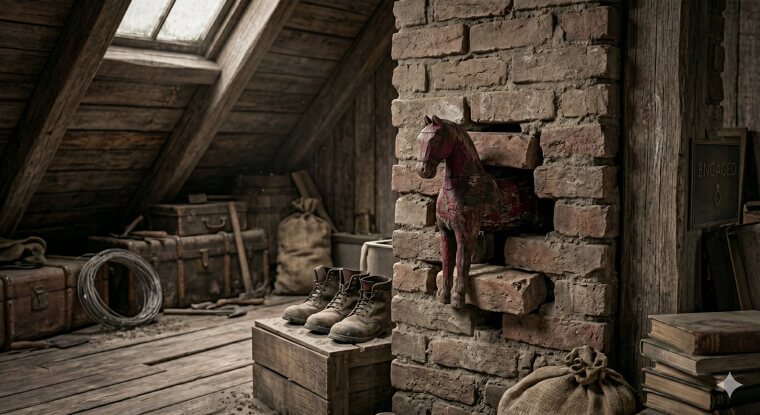
They blended their modern architectural techniques with ancient, symbolic rituals intended to ensure the safety of the many generations of children they hoped would occupy the rooms below.
A Secret Tray Built for a Matriarch’s Financial Independence
The built-in kitchen cabinetry featured a deep drawer for flour and grains that James decided to refinish. However, the internal depth didn't match the external measurements. Pulling the drawer out entirely revealed a secondary, shallow tray hidden underneath the main box. This "thief's drawer" was allegedly where the matriarch of the house kept the "egg money"—the private earnings from selling surplus farm goods. In a time when women often had little financial independence, this hidden architectural feature represented a small but significant space of her own.
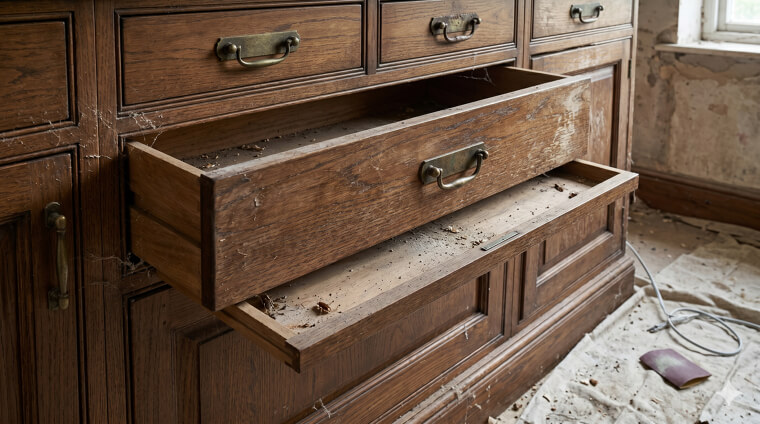
It was kept safe from the eyes of the rest of the busy, bustling household and recorded in secret ledgers.
The Rusted Iron Anchor of a Lost Winter Industry
Bolted firmly into a massive hand-hewn beam in the cellar was a heavy, rusted iron ring that Sarah found while tracing the electrical lines. At first, it seemed out of place in a domestic setting. However, research into early twentieth-century farm life suggested it was used for hoisting heavy carcasses during the winter harvest or perhaps for securing a large scale to weigh grain sacks. The presence of this industrial hardware in the basement highlights the farmhouse’s dual role.
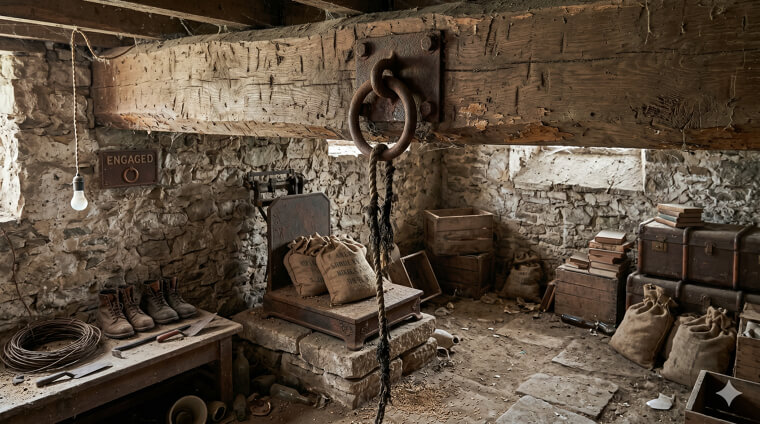
It served as both a cozy family residence and a hard-working center of production, where every square inch of the structure had to serve a vital purpose.
A Golden Sacrifice Sealed Within the Very Ceiling Plaster
While repairing a crack in the hallway ceiling that had been damaged by water, a glint of gold caught the light. Embedded deep within the horsehair plaster was a simple, thin gold band. It wasn't dropped; it appeared to have been placed there intentionally while the plaster was still wet. Reportedly, some builders would toss a coin or a ring into the walls for "solid foundations." It was unclear whether it was a lost heirloom or a deliberate sacrifice for the home’s longevity.
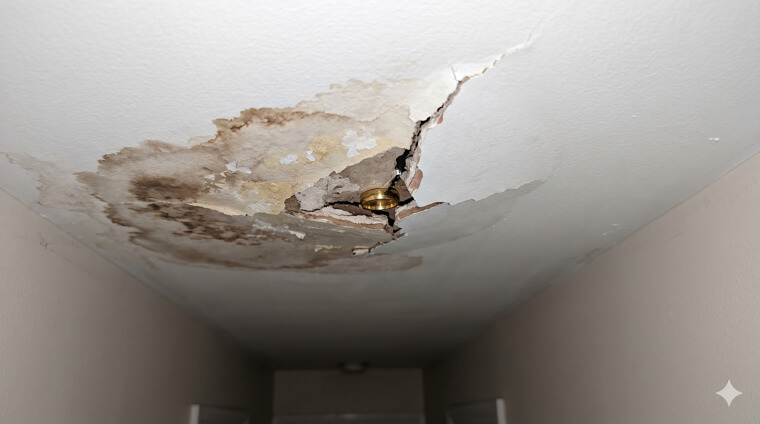
But whatever it was, the ring now sits as a permanent, golden heartbeat within the very bones of the house, forever out of reach but always watching the occupants.
The Spiritual Pigment Used to Trick the Unseen World
The porch ceiling was painted a very specific, pale shade of "Haint Blue." While Sarah initially thought it was a modern aesthetic choice, research revealed that in the 1920s, it was believed to ward off evil spirits or "haints" who could not cross water. It was also thought to trick spiders and wasps into thinking the ceiling was the sky, preventing them from building nests. Uncovering this original pigment beneath layers of white paint revealed the deep-seated cultural beliefs of the original inhabitants.
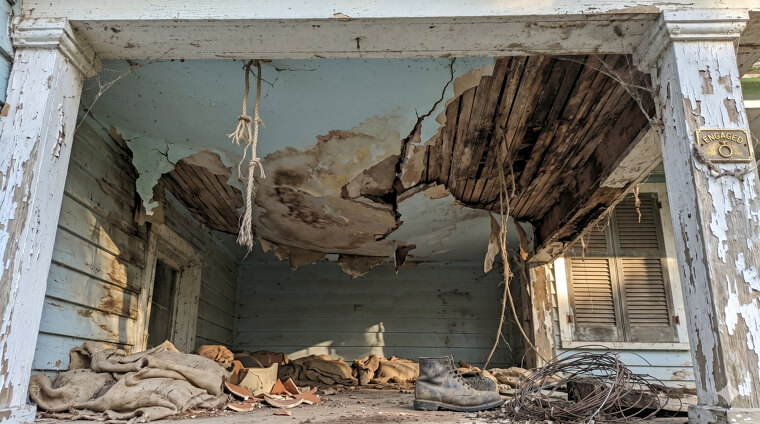
It blended architectural style with a fascinating layer of regional folklore and protective spiritualism that the couple decided to preserve.
The Servant’s Staircase That Disappeared From the Floorplan
A strange, narrow vertical panel in the back pantry turned out to be a disguised door that James noticed while installing a new pantry shelf. Behind it lay a steep, winding staircase that led not to the second floor, but to a tiny, unfinished loft space above the kitchen. This was likely a "servant’s stair," designed to allow a hired hand or a young family member to move between the workspace and their sleeping quarters without disturbing the guests in the main living areas.
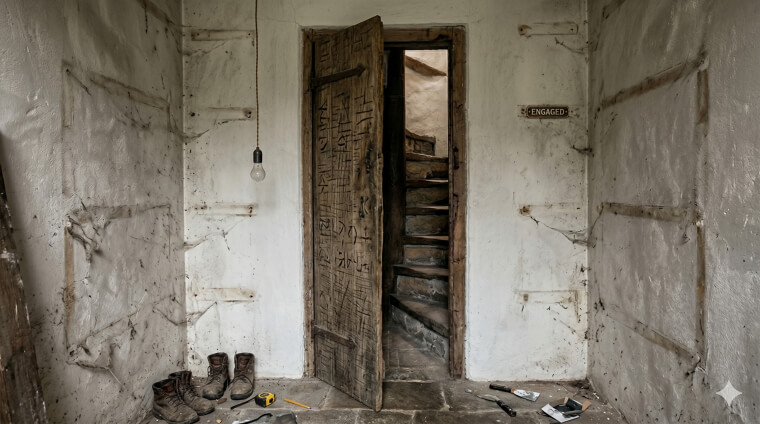
The existence of this separate, hidden circulation route spoke volumes about the social hierarchies and privacy expectations of a middle-class family.
A Hollow Post That Held the Key to a Vanished Gate
The grand mahogany newel post at the base of the stairs featured a decorative cap that felt slightly loose when Sarah leaned on it. Upon twisting it, the top popped off to reveal a hollow chamber containing a single, heavy skeleton key. A small tag attached to the key simply read "The Gate." Curiously, there is no gate currently on the property. This discovery sparked a new mystery for the couple: what did this key open?
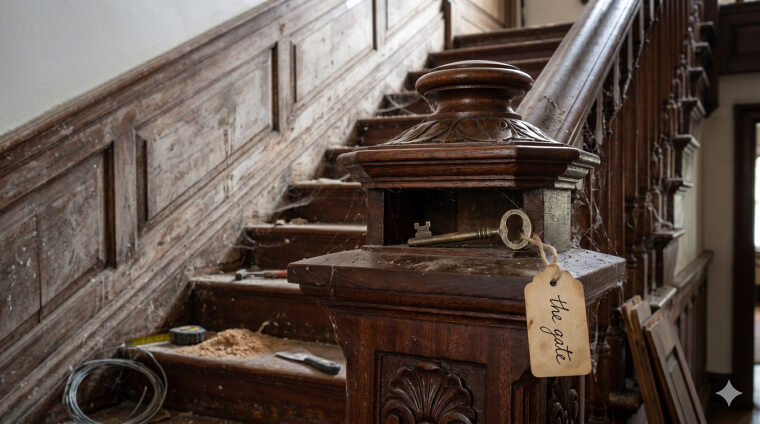
It suggested that the estate was once much larger or perhaps had a locked garden or cellar entrance that has since been buried or demolished.
The "Sun Ghost" That Revealed an 80-Year Furniture Habit
After removing a heavy, built-in wardrobe in the guest room to make space for a nursery, Sarah found a perfect silhouette on the original pine floors. The wood beneath the wardrobe was a rich, dark amber, while the rest of the floor had faded to a pale straw color due to decades of sunlight. This "sun ghost" revealed the exact footprint of the room's original layout. It served as a vivid reminder of how light and time act as slow-moving artists.
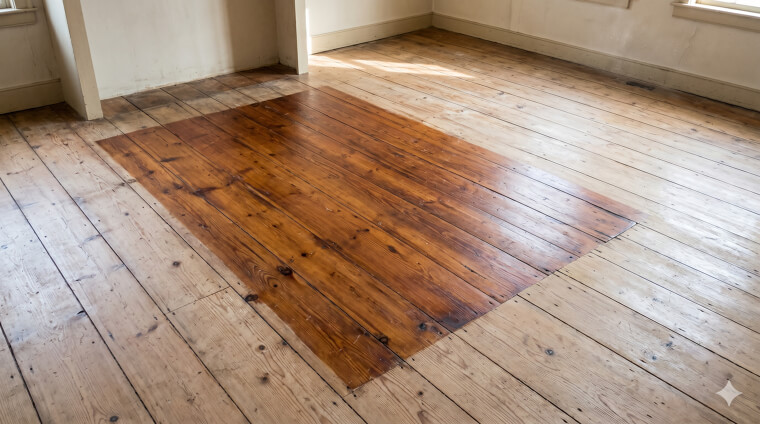
They record the presence of furniture and the habits of dwellers long after they have departed the home, revealing exactly how they lived.
Forgotten Tins That Proved the Builders’ Frugal Ingenuity
During the insulation of the mudroom, several empty tobacco tins were found stuffed into the wall cavities. Rather than being discarded as trash, these tins were reportedly used by the builders to stop drafts around the window frames during a particularly harsh winter. Each tin featured vibrant, lithographed designs from brands popular in the 1920s. They provided a colorful look into the daily habits of the men who physically hammered the house together.
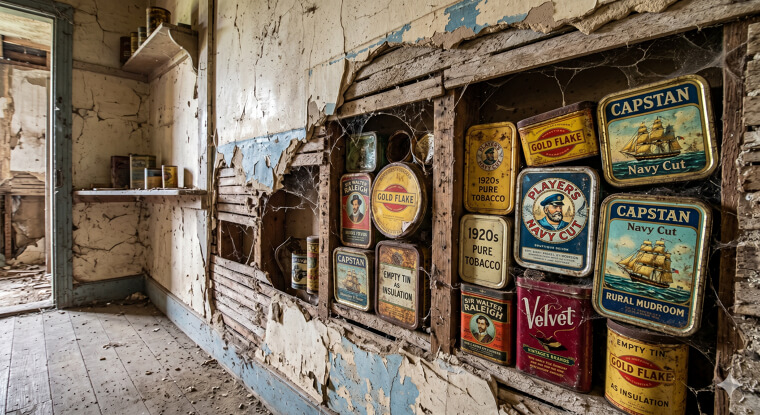
These small, metallic artifacts acted as unintentional time capsules, preserving the commercial art and the personal preferences of the working class from a century in the past.
An Eavesdropping Vent That Served as Silent Domestic Surveillance
In the corner of the dining room, a decorative brass floor vent seemed standard, but it wasn't connected to any modern ductwork when James inspected the furnace. Instead, it led to a vertical shaft that terminated in the master bedroom directly above. This was an "eavesdropping vent," a common feature in older homes that allowed heat to rise to the upper floors before central heating was common.
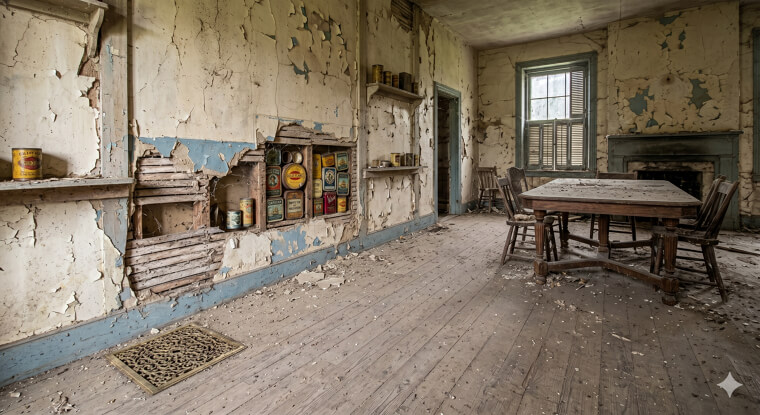
However, it also functioned as a way for parents to monitor the activities and conversations of guests or children downstairs, proving that architectural design has always been a tool for both physical comfort and social control.
A Cache of Seeds That Reminded the Land of Its Duty
Underneath the floorboards of the potting shed, Sarah found a bundle of colorful seed packets from the 1930s. The illustrations of giant tomatoes and vibrant marigolds were still remarkably vivid despite the damp environment. These packets were allegedly hidden there by a dedicated gardener who was saving their best heirloom varieties for a future season that perhaps never came. This find highlighted the agricultural roots of the property.
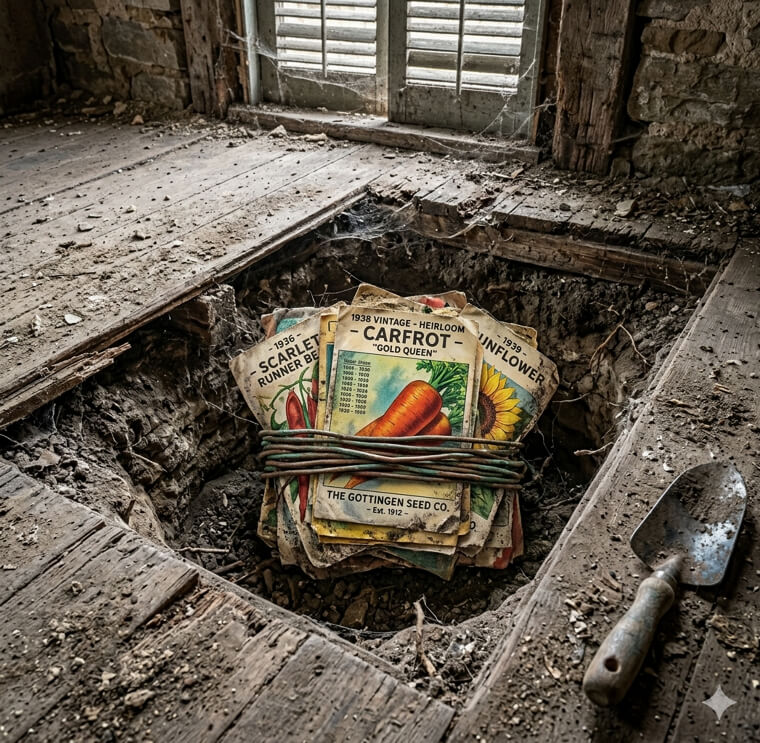
It reminded the current owners that the land surrounding the farmhouse was once a carefully tended source of life and sustenance, prompting Sarah to plant the same varieties in her new garden.
Ancient Marriage Marks That Held the Foundation Together
While inspecting the floor joists in the basement for dry rot, James noticed a series of Roman numerals—III, IV, VI—chiseled into the wood where the beams met the main sill. This was a "marriage mark," a system used by timber framers to ensure that the hand-cut joints were matched correctly during the assembly of the house. Because each beam was unique, these marks were essential for the structural integrity of the home.
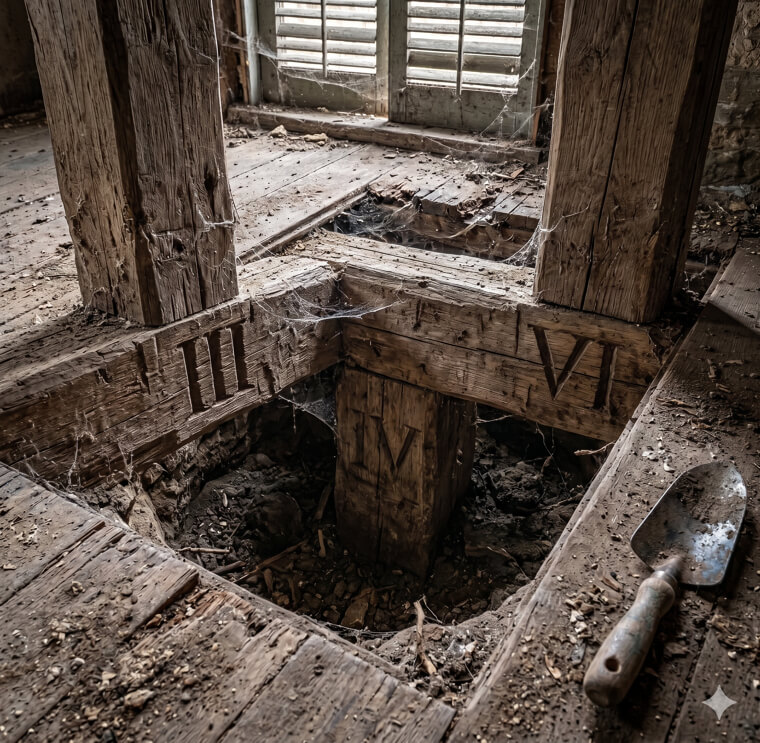
Seeing these ancient numbers was like seeing the "instruction manual" for the farmhouse, proving the meticulous, puzzle-like precision that went into building a home by hand a century ago.
A Fragment of Wallpaper From a Room That No Longer Existed
A small, boarded-up space behind the upstairs linen closet revealed a sliver of wallpaper that didn't match any other room in the house. It featured an intricate pattern of hot air balloons and Victorian clouds. This space was likely a small nursery or a "sewing nook" that was later absorbed into the larger hallway during a previous remodel. The vibrant, whimsical pattern was a stark contrast to the more somber tones found elsewhere.
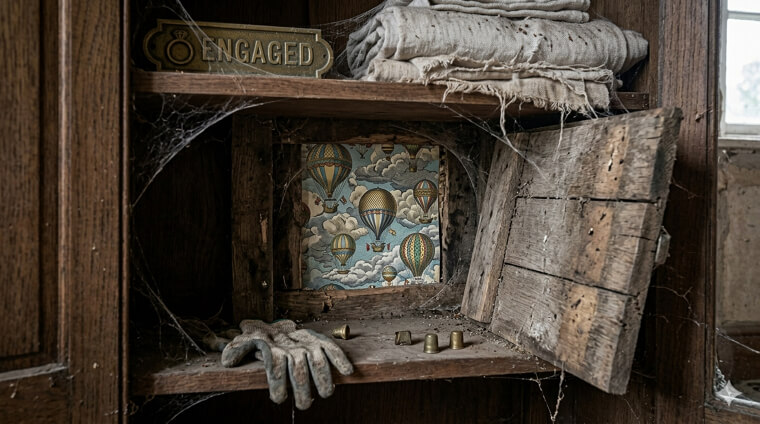
It suggested a room once filled with imagination and light—a tiny, forgotten sanctuary that had been walled off and silenced for over seventy-five years until Sarah broke the seal.
The Iron Horseshoe That Nurtured a Century of Luck
Hidden behind a modern decorative molding above the back door, the renovators found an old, iron horseshoe nailed firmly into the timber. Crucially, it was nailed with the "ends up" to ensure the luck wouldn't run out. This classic piece of Americana was a silent guardian, placed there by the first owners to protect the threshold from misfortune. Finding it tucked away showed that even as the house modernized, the original layers of protection remained.
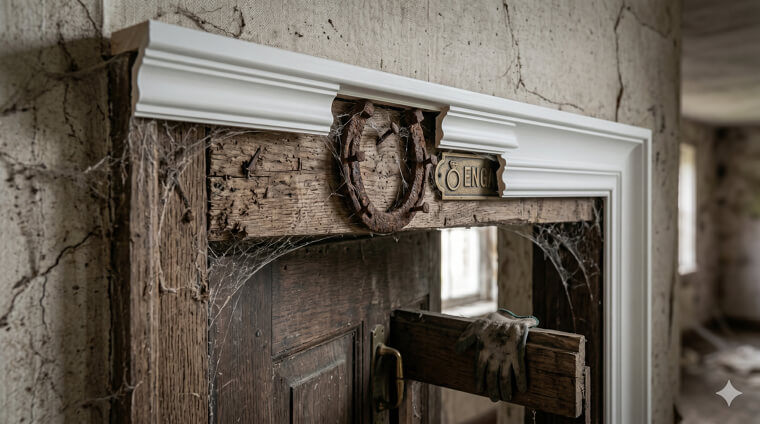
It served as a bridge between the superstitions of the 1920s and the domestic comforts of the modern twenty-first century the Millers were creating.
A Scratched Metal Diary Entry From the Bitter Winter of 1934
While replacing the outdated plumbing, a plumber discovered a section of lead pipe that had been flattened and used as a shim. Scratched into the soft metal was a date and a short sentence: "Coldest winter yet, 1934." This improvised diary entry provided a visceral connection to the physical hardships of living in the farmhouse during a record-breaking freeze. It wasn't a formal record, but a spontaneous cry of frustration or perhaps a mark of survival.
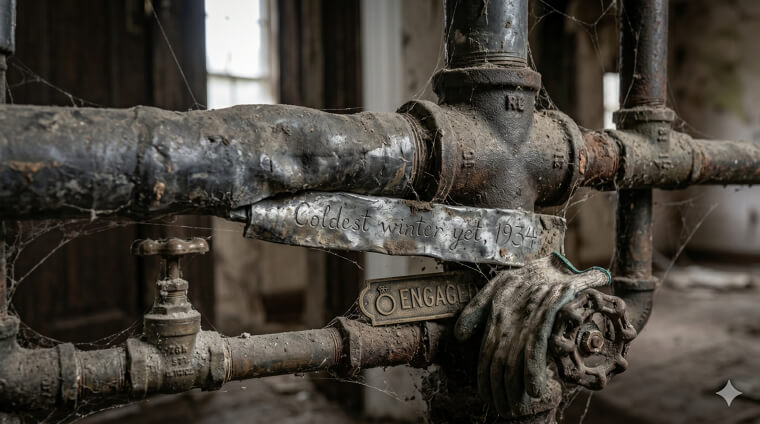
It was left by a man who was simply trying to keep the water flowing in a house battered by the elements during the Great Depression.
The Resurrected Pocket Door That Changed the Home’s Flow
For years, the wall between the parlor and the dining room was thought to be solid. However, a slight gap in the trim led James to the discovery of a heavy, solid oak pocket door that had been pushed back and plastered over during a 1950s renovation. Sliding it out for the first time in seventy years was a revelation. The door was perfectly preserved, complete with its ornate brass hardware.
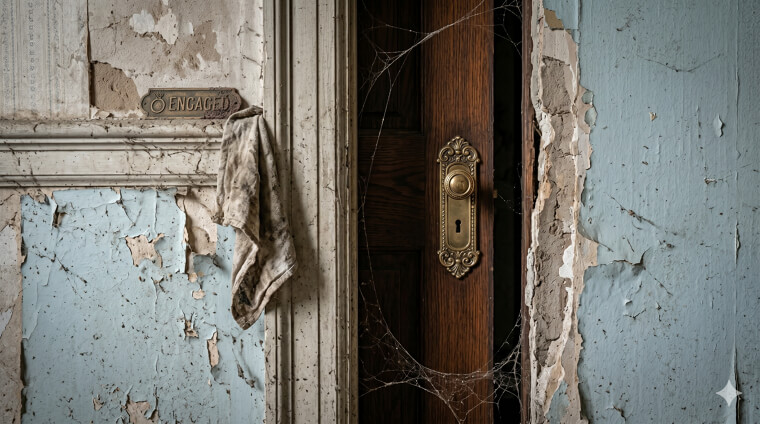
This architectural "resurrection" restored the original flow of the house, allowing the rooms to breathe once more as the original architect had intended when the plans were drawn in 1924.
Abandoned Steamer Trunks From a Forgotten Depression-Era Guest
Behind a false wall in the attic’s knee-wall space sat two steamer trunks, covered in a thick layer of grey dust. They weren't empty; they were filled with heavy wool coats, lace collars, and a pair of sturdy leather boots. These items allegedly belonged to a relative who had moved into the farmhouse during the Great Depression and left in a hurry. The trunks were a heavy, physical reminder of the "waste not, want not" era.
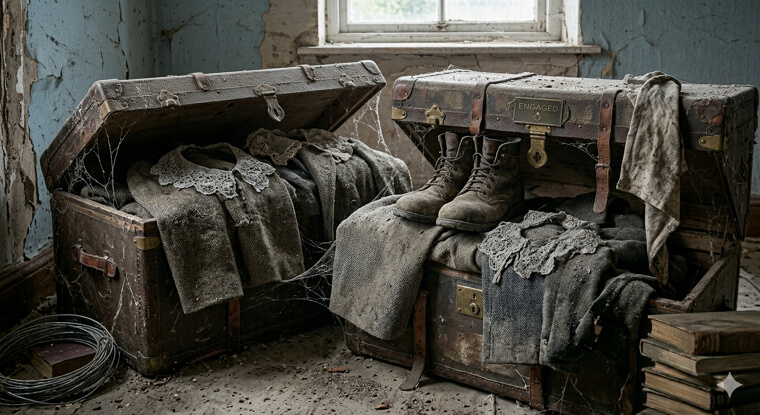
During that time, every scrap of fabric and every pair of shoes was a valuable asset too precious to simply throw away, left as a silent legacy.
A Tactile Notch in the Railing That Counted Life’s Milestones
A deep, deliberate notch was discovered on the underside of the mahogany staircase banister while Sarah was sanding it. It wasn't a crack from age; it was a carved groove. According to local lore, such notches were sometimes used by homeowners to count the number of children born in the house, or perhaps to mark the passing of a significant milestone. This small, tactile detail was meant to be felt rather than seen.
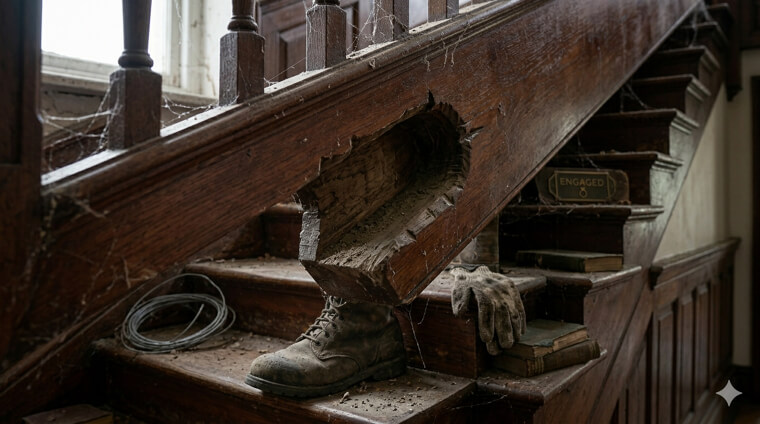
It was a private "Braille" history of the family’s legacy that only someone cleaning or repairing the stairs would ever find, linking the touch of the past to the present.
Tiny Concrete Hands That Reached Across a Century
Down in the crawlspace near the base of the main chimney stack, two small handprints are pressed into the concrete footer. Next to them, the year "1925" is scrawled in a child’s shaky handwriting. These were likely the hands of the original owner’s children, immortalizing their presence in the very bones of the building. As the house aged and the family moved on, these prints remained—a permanent, concrete high-five across the century.
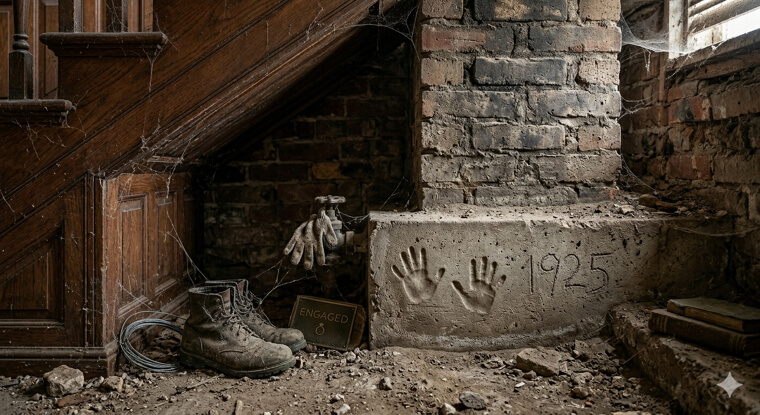
It serves as a reminder that houses are not just made of wood and stone, but are built upon the lives of the people who first called them home.
The Pantry Stone That Sheltered a Family’s Most Precious Mineral
In the thick stone wall of the pantry, Sarah found a small, square stone that could be pulled out to reveal a tiny, cool niche. This was a traditional salt cellar, designed to keep salt dry and accessible in a kitchen that was often humid from wood-stove cooking. Salt was once a precious commodity, and having a dedicated, hidden spot for it was a sign of a well-organized and prosperous kitchen.
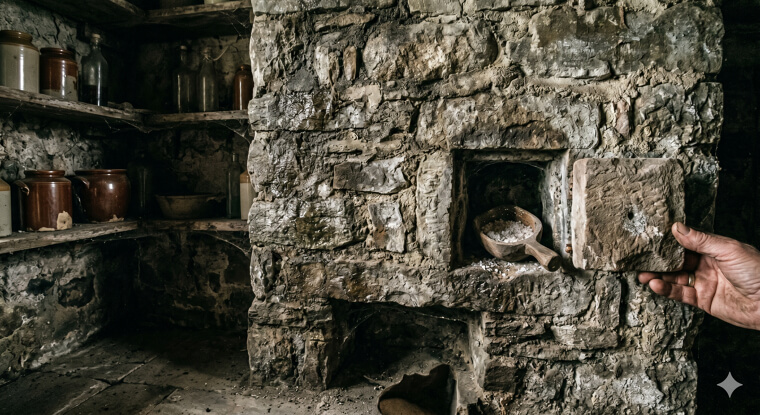
This minor architectural feature highlights the specialized needs of a 100-year-old kitchen, where food preservation and ingredient management were essential daily tasks for the family’s survival in the early 1900s.
A 1924 Penny That Acted as a Foundation for Prosperity
When the front door threshold was replaced due to rot, James found a single copper penny from 1924 nestled in the bedding. It is an old tradition to place a coin from the year of construction under the main entrance to ensure that the inhabitants would always have wealth and would never go hungry. The penny was remarkably shiny, protected from the air for a century.
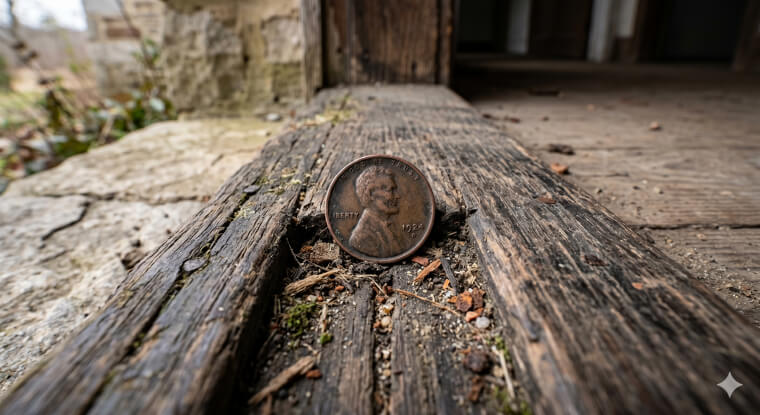
This small, copper talisman was the final proof that every inch of this farmhouse was built with intention, hope, and a deep desire for a prosperous and happy future for every family that followed.
The Disaster Stash Hidden Within the Larder’s False Ceiling
The pantry ceiling seemed unusually low compared to the rest of the ground floor. After removing a modern acoustic tile, Sarah discovered a hidden "lath and plaster" ceiling six inches above it. In the gap between the two, several glass canning jars were found, still sealed but now containing only dried remnants of fruits. This was a "disaster stash," hidden away in case of a total crop failure or an economic collapse.
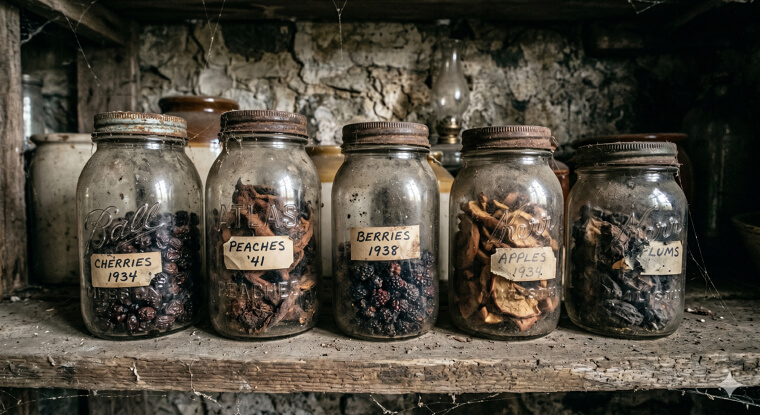
The farmhouse was designed not just for living, but as a fortress against the unpredictable nature of rural life and a fluctuating national economy during the mid-twentieth century.
A Faded Shadow That Spoke of Decades of Quiet Afternoons
While pressure washing the exterior siding, a faint, darker rectangular area appeared on the cedar shakes of the front porch. This was the "shadow" of a porch swing that had hung there for decades, protecting that specific patch of wood from the bleaching effects of the sun. Even though the swing was long gone, the house "remembered" its presence. This visual echo invited Sarah and James to imagine a century of quiet summer evenings.
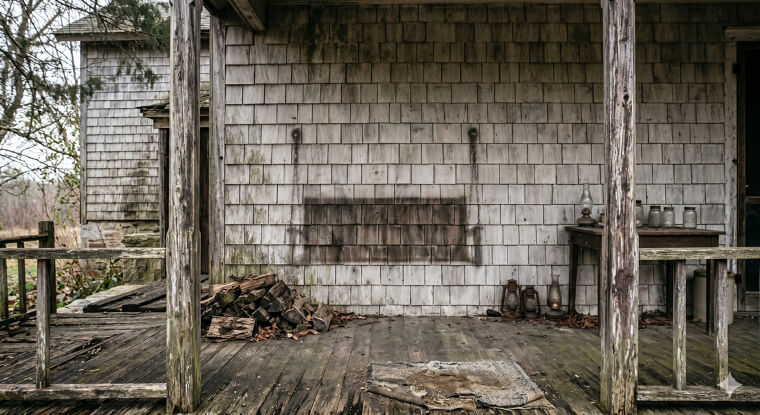
Summer evenings accompanied by soft conversations, and the gentle creak of chains—a ghost of a simpler time when the porch was the social heart of the entire community.
A Velvet-Lined Secret for the Family’s Sunday Best
The ornate wooden mantelpiece in the sitting room featured a tiny, nearly invisible keyhole hidden within a flourish of the scrollwork. A small, delicate key found earlier in a kitchen drawer fit perfectly. Turning it released a spring-loaded panel, revealing a shallow velvet-lined tray. This was allegedly where the family kept their "Sunday jewelry" or perhaps a small, valuable heirloom. It showed that even in a rural farmhouse, there was a desire for a touch of elegance.
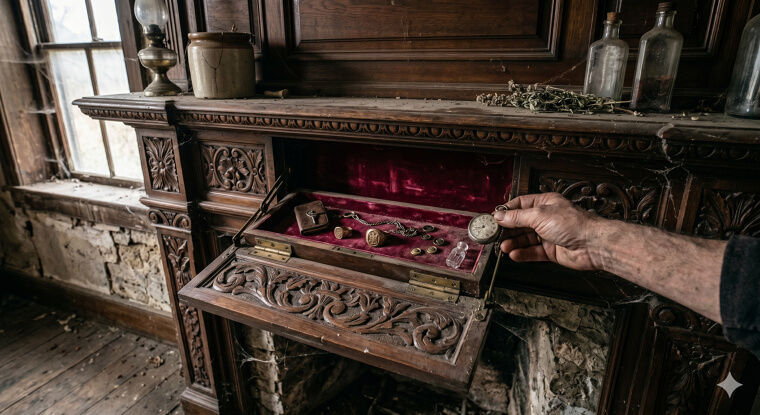
And desire for a secure place to hide the few luxuries that the family managed to acquire and cherish over their many years.
The Carpenter’s Final Blessing Scrawled Above the Ridge Beam
At the very peak of the attic, on the highest ridge beam, James found a final signature written in white carpenter's chalk. It read: "Finished May 14, 1926 - Good Luck to All Who Dwell Here." This final blessing from the original builder was the perfect conclusion to the Miller's renovation. It was a direct message from the past, an architectural "passing of the torch." After 100 years of secrets, the farmhouse had finally shared its full story.
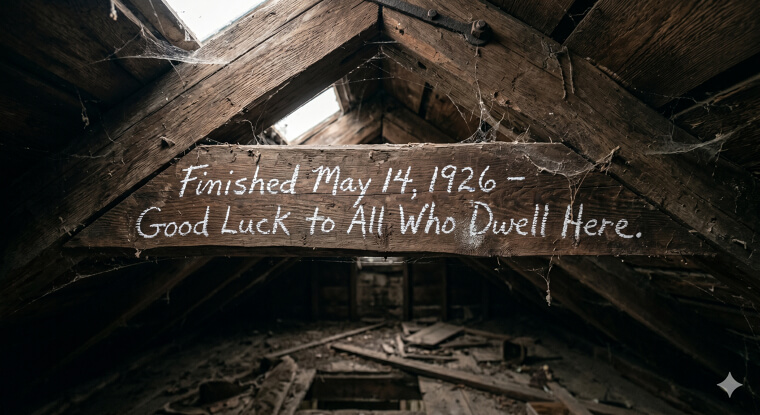
It revealed that its true history was built on a foundation of craftsmanship, family, and a lasting wish for a bright future.