The Woolworth’s Lunch Counter
It wasn't just a place to get a grilled cheese; it was the heart of the community. Before fast-food chains became identical, these counters offered a specific brand of American hospitality that felt personal and unhurried. You could sit on a vinyl-topped swivel stool, watch the steam rise from the grill, and enjoy a milkshake served in a cold metal mixing cup. It was the ultimate social hub where neighbors swapped stories over 15-cent coffee.
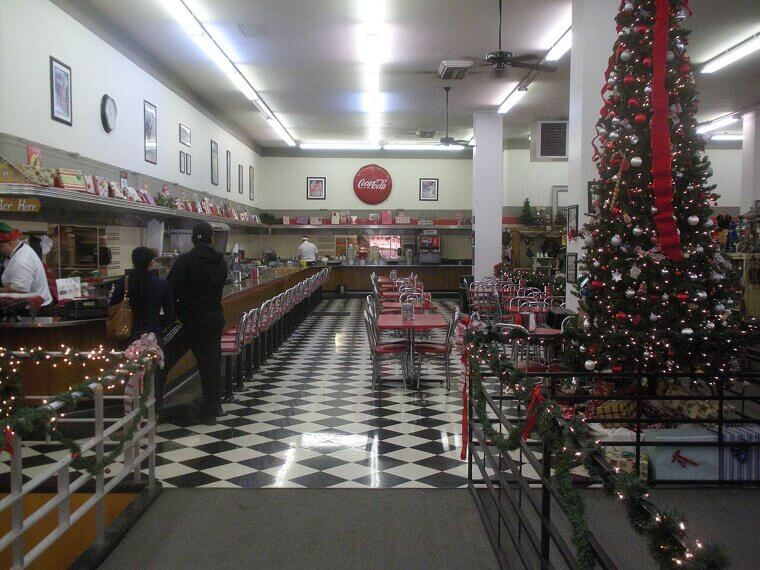
This iconic setting captured a slower pace of life, where the simple pleasure of a shared meal felt truly special and neighborly.
The Sears Roebuck Catalog
Affectionately known as the "Wish Book," this hefty tome was the internet before the internet existed. Arriving in the mail with a thud, it offered a window into a world of endless possibilities for every room in the house. Families would gather around the kitchen table, dog-earring pages of sturdy denim, gleaming appliances, and the latest toys. It represented the American dream delivered right to your doorstep.
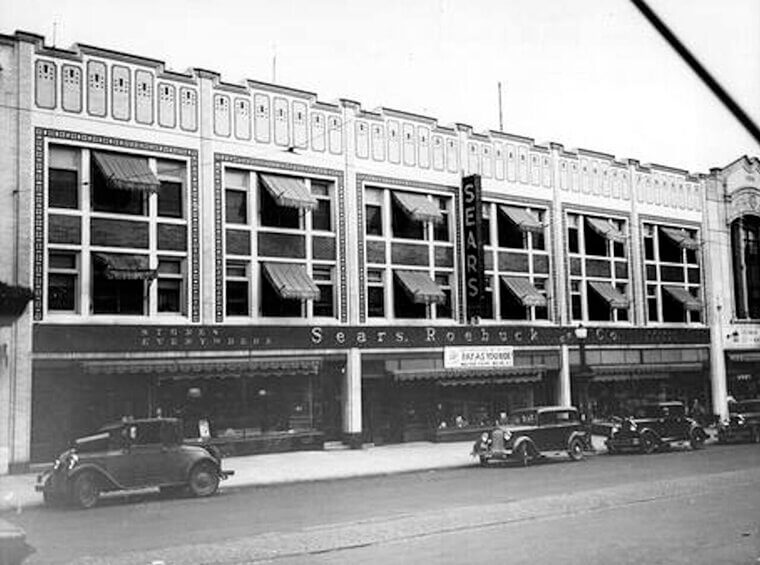
For children, the holiday edition was pure magic, filled with glossy photos that fueled weeks of anticipation. It wasn't just a catalog; it was a seasonal ritual that connected rural homes to modern trends.
S&H Green Stamps
The thrill of the hunt was never more tactile than when licking and sticking these tiny green stamps into paper booklets. Collected at gas stations and grocery stores, they were a secondary currency that rewarded patience and loyalty. Saving up enough books for a new toaster or a set of card tables felt like a massive achievement. The local "Redemption Center" was a palace of prizes where hard work and thriftiness finally paid off.
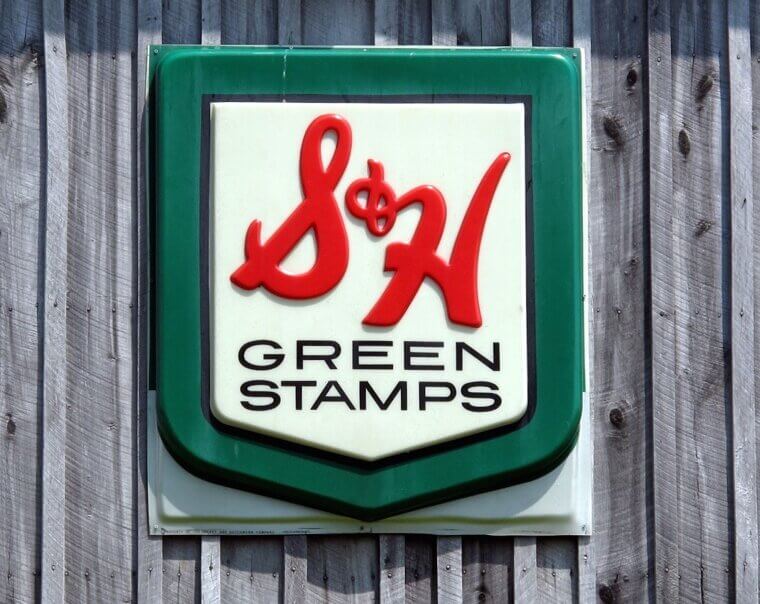
It turned mundane errands into a strategic game, teaching a generation the value of saving up for something special while adding excitement to the weekly shopping trip.
Tab Soda
Long before the "diet" craze became a massive industry, Tab was the ultimate chic beverage for the calorie-conscious consumer. With its unmistakable bright pink can and uniquely metallic, saccharine tang, it was a staple in 1970s refrigerators. It signaled a certain modern sensibility and a commitment to staying trim. Popping that pull-tab lid was the sound of a midday break. While it was eventually eclipsed by newer formulations, the nostalgia for that specific calorie-free bite remains strong.
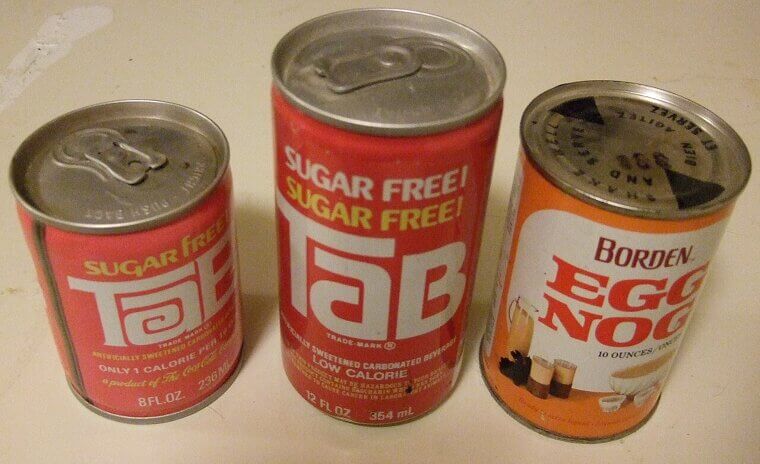
It remains an icon of a time when beverage choices were simpler but felt much more distinct and bold in their branding.
Polaroid Instant Cameras
There was an absolute, incomparable magic in holding a white-bordered square and watching a blurry smudge slowly transform into a crystal-clear memory right before your eyes. The "whirr-click" of the camera and the ritual of waving the photo in the air—even if the instructions said not to—was a centerpiece of every birthday party and holiday gathering. It provided instant gratification in an analog world, making every candid moment feel like a tangible treasure.
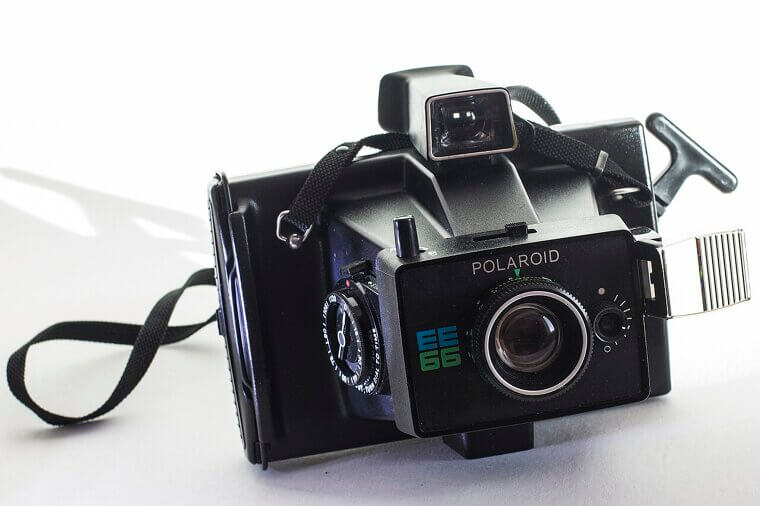
These cameras captured the raw, unedited essence of family life, creating a physical legacy that felt far more permanent than any modern digital file.
The Fuller Brush Man
A knock at the door often heralded the arrival of a neatly dressed salesman carrying a suitcase full of solutions for a tidy home. The Fuller Brush Man was a trusted figure who brought the department store experience directly to your living room. He didn't just sell lint brushes and floor wax; he offered personalized demonstrations and a bit of friendly conversation. This door-to-door tradition reflected a high level of personal service and trust that has largely vanished.
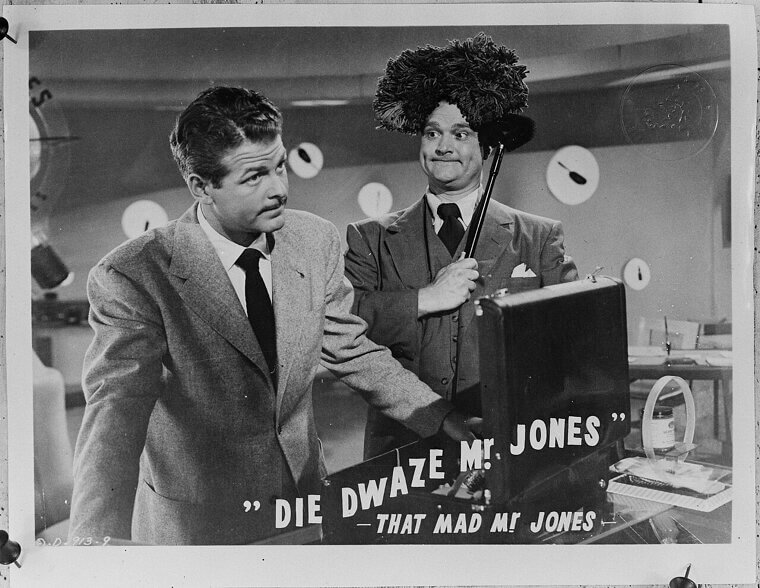
His arrival was a scheduled event, representing a time when commerce was built on face-to-face handshakes and reliable, high-quality household staples.
Ben Franklin Stores
These quintessential franchised variety stores were the backbone of many American Main Streets. Stepping through the doors of a Ben Franklin felt like entering a treasure chest where you could find everything from sewing notions and school supplies to goldfish and candy. The wooden floors often creaked underfoot, and the air smelled faintly of floor wax and popcorn. It was the go-to spot for a last-minute birthday gift or a spool of thread.
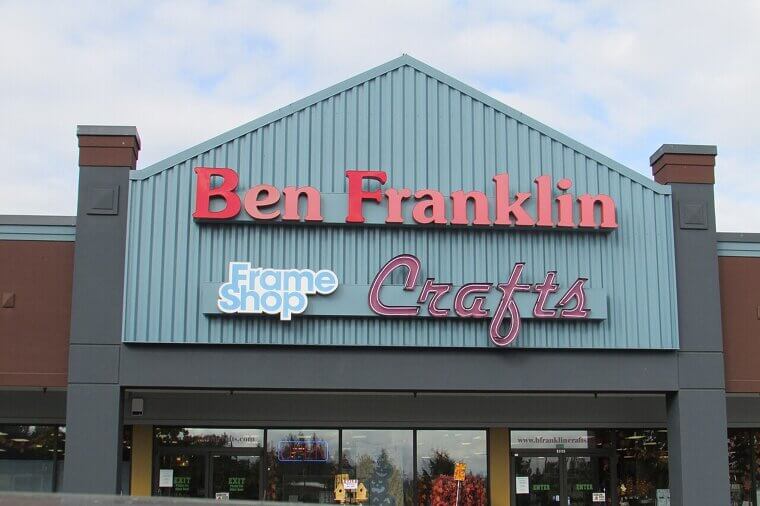
These stores nurtured a sense of local pride, offering a curated selection of life’s little necessities in an environment that felt cozy, familiar, and wonderfully predictable.
PF Flyers
Long before high-end designer sneakers, PF Flyers were the ultimate footwear for the active American kid. Boasting the "Posture Foundation" insole, they promised to help you run faster and jump higher. They were the uniform of summer, perfect for kickball games, climbing trees, and riding bikes until the streetlights came on. There was a certain pride in a fresh, white pair, though they usually ended the week covered in grass stains and dust.
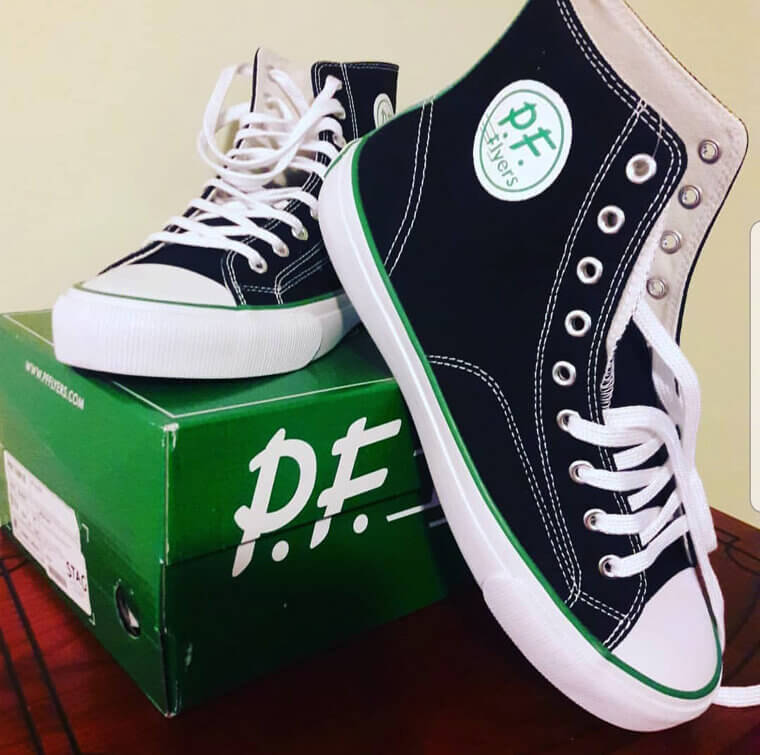
These canvas shoes represented the freedom of childhood and the simple belief that the right gear could make you a neighborhood superstar.
Kresge’s Popcorn Machines
Walking into a Kresge’s or a similar five-and-dime, the first thing that hit you was the irresistible aroma of freshly popped corn drizzled with real butter. The glass-walled machine was usually positioned right near the entrance, acting as a siren song for shoppers. A small paper bag of warm, salty popcorn was the ultimate affordable luxury, making a routine shopping trip feel like a special treat.
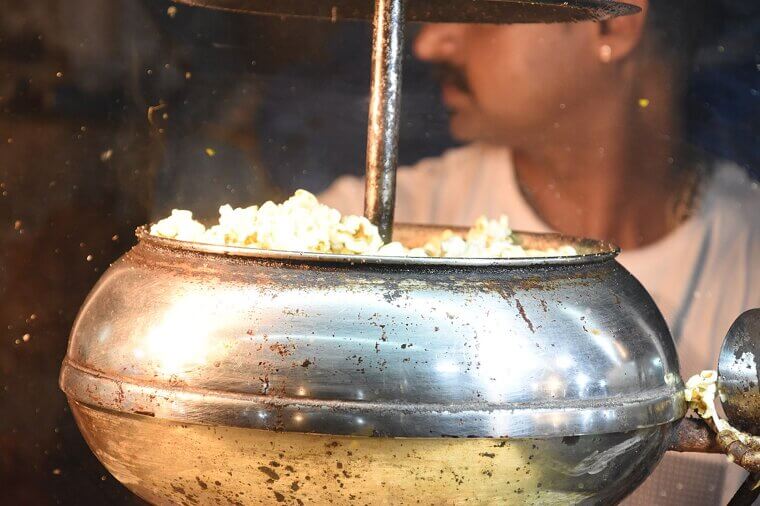
It was a simple, sensory pleasure that defined the "vibe" of the era—where the small, inexpensive joys of life were celebrated and shared, creating lasting memories of Saturday afternoons spent browsing the aisles.
Kresge’s Variety Stores
Before it evolved into the massive Kmart corporation, S.S. Kresge was the king of the "dime store" experience. These shops were bright, bustling centers of commerce where a handful of change could buy a wealth of small joys. From the glass-covered bins of bulk candy to the rows of affordable cosmetics, it was a paradise for teenagers and housewives alike. It was the ultimate destination for affordable, everyday American living.
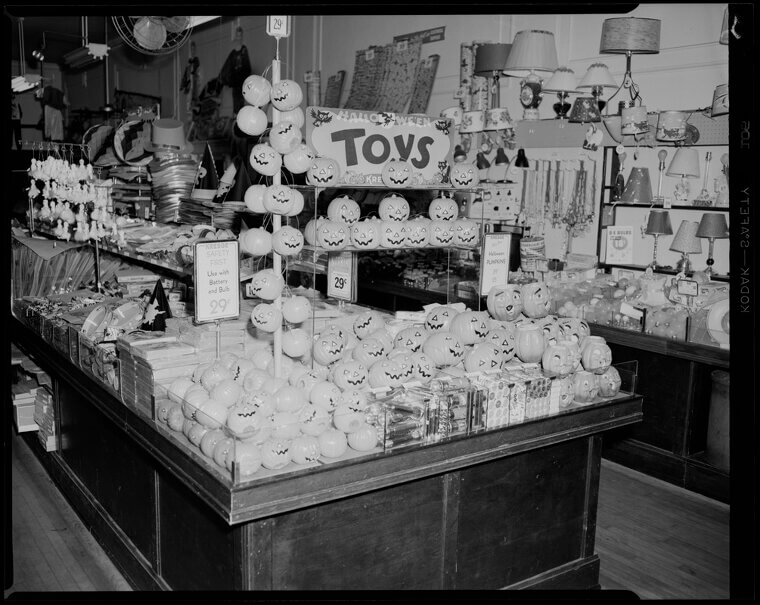
Kresge’s specialized in the "variety" aspect of life, ensuring that no matter what obscure household item you needed, they likely had it tucked away in a neat aisle.
The Tupperware Party
This wasn't just about plastic containers; it was a groundbreaking social phenomenon that turned the living room into a marketplace. Women gathered to watch a friend demonstrate the "burp" of a fresh-sealed lid, sharing recipes and gossip in the process. It offered a sense of community and entrepreneurial spirit long before the "side hustle" was a common phrase. Owning a set of pastel Wonderlier bowls was a status symbol of an organized, modern kitchen.
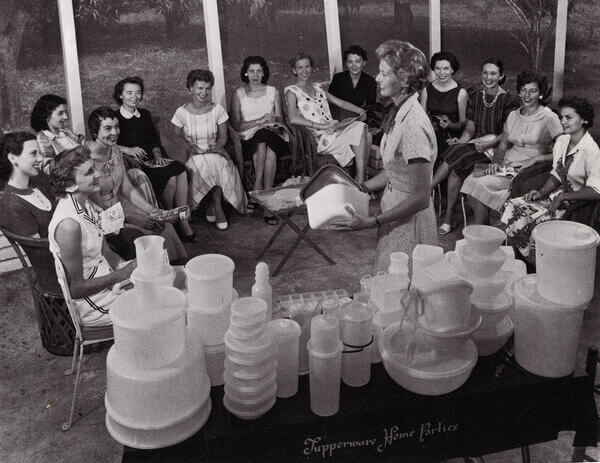
These parties were a vital social outlet, blending domestic utility with the warmth of friendship and the excitement of a girls' night in.
Western Auto
For many, Western Auto was the primary destination for everything from bicycle tires to car batteries and even the occasional television set. It had a rugged, masculine vibe but remained a family-friendly staple of the local shopping district. Whether a father was looking for a specific tool or a child was dreaming of a new red wagon, Western Auto felt like a place where things got fixed and dreams were built.
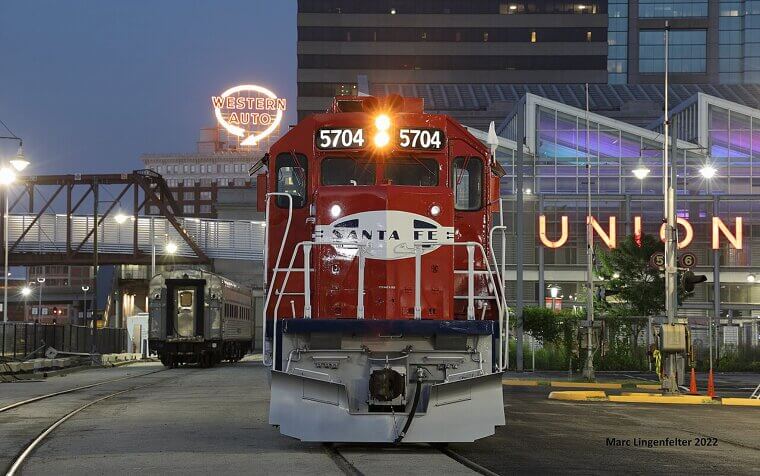
It represented the era of the "do-it-yourself" homeowner, providing the parts and the confidence needed to maintain the family car and keep the household running smoothly.
Jell-O Molds
No dinner party or holiday spread was complete without a shimmering, gravity-defying Jell-O salad. These ornate creations, often featuring suspended bits of fruit, celery, or even shredded carrots, were the peak of culinary sophistication. The copper or aluminum molds used to shape them were prized kitchen possessions. A successful "unmolding" was a moment of high tension and triumph for any hostess. These dishes represented an era of playful experimentation in the kitchen.
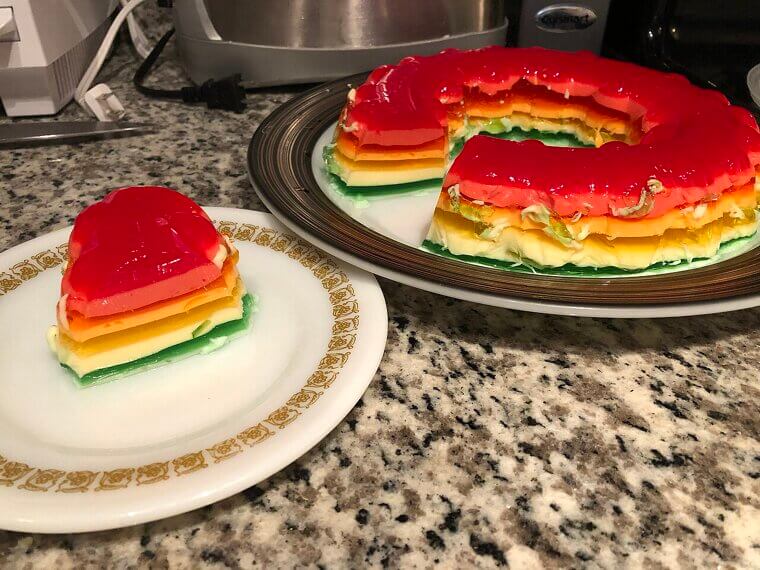
Color and texture were just as important as flavor, turning a simple gelatin dessert into a literal centerpiece of conversation.
Drive-In Movie Theaters
The drive-in was more than just a cinema; it was a complete evening of family entertainment or a classic date-night destination. Packing the kids into the station wagon—sometimes in their pajamas—and hooking that heavy metal speaker onto the window was a summer rite of passage. The intermission cartoons for the snack bar were almost as iconic as the main feature. It offered a unique blend of privacy and community, allowing families to enjoy a film under the stars.
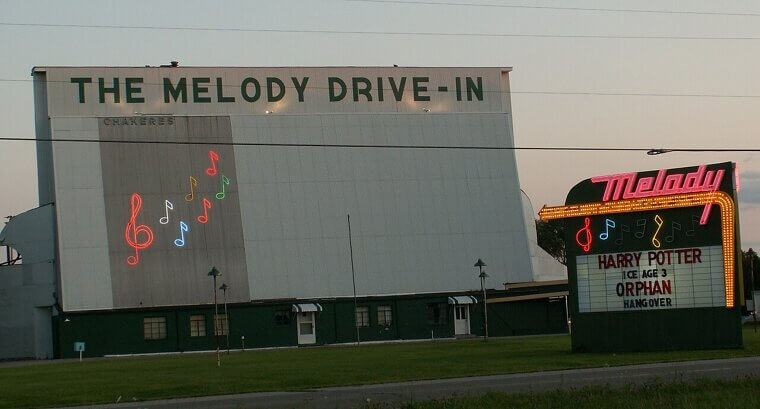
The flickering screen against the night sky remains a powerful symbol of mid-century leisure and the Great American car culture.
TV Dinners in Aluminum Trays
The introduction of the Swanson TV dinner revolutionized the American evening. For the first time, a complete meal—meat, potatoes, a vegetable, and a dessert—could be prepared in the oven and eaten on a folding tray in front of the television. The compartmentalized aluminum tray kept the gravy from touching the peas, which was a marvel of engineering. It signaled a shift toward convenience and the growing influence of broadcast media on daily life.
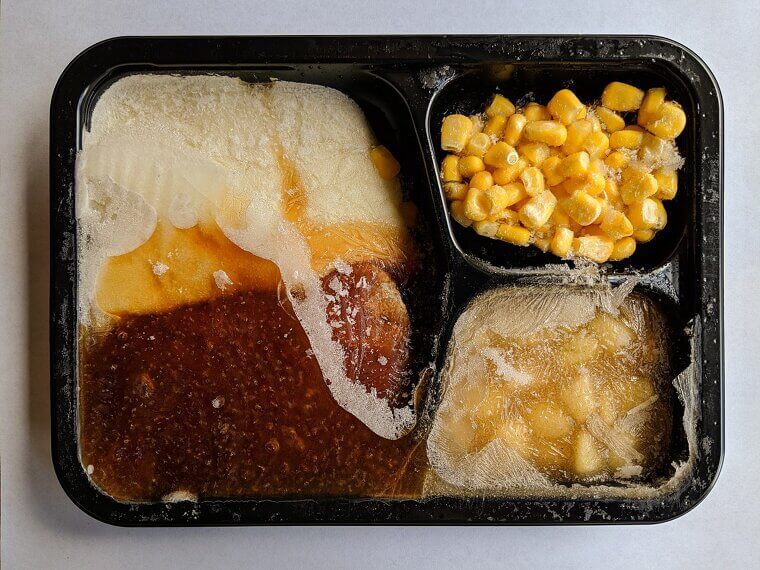
Sitting down with a Salisbury steak while watching a favorite sitcom became a cozy, futuristic ritual for busy families across the country.
Kodachrome Film
"They give us those nice bright colors, they give us the greens of summers," as the song goes. Kodachrome was the gold standard for capturing family vacations and milestones. There was a unique richness and depth to the slides that made every memory look like a professional movie still. Waiting for the yellow boxes to return from the lab was an exercise in patience.
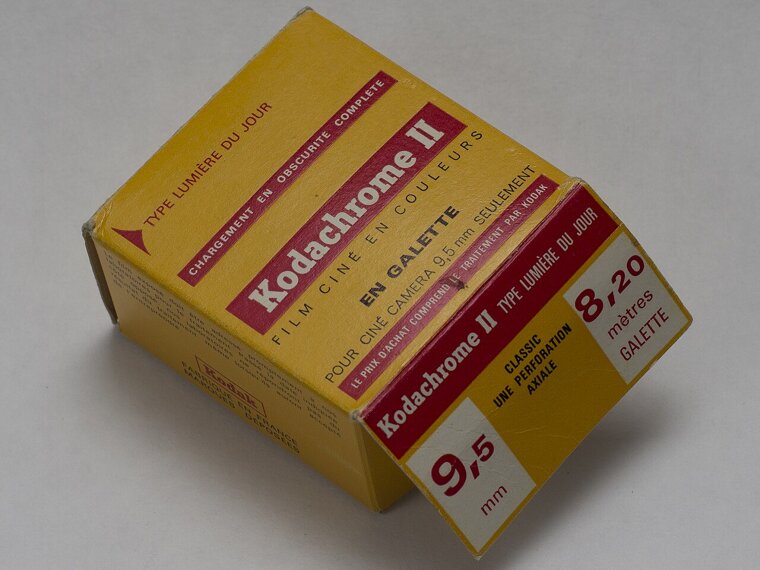
Once home, the living room was transformed into a theater for the "slide show," where the clicking of the projector provided the soundtrack to a narrated journey through the past year’s most cherished moments and travels.
Transistor Radios
The introduction of the small, portable transistor radio changed the way a generation consumed music and news. Suddenly, the latest hits weren't confined to the living room console; they could travel to the beach, the park, or under a pillow late at night. Tuning the dial to catch a distant station through the static was an art form. These devices offered a sense of personal freedom and a direct connection to the wider world.
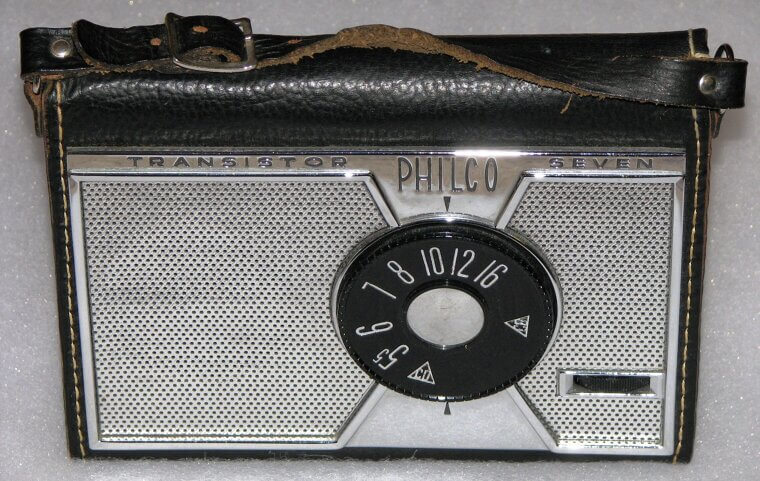
Whether it was a baseball game or the Top 40, the tinny sound from that tiny speaker was the soundtrack of a mobile, modernizing America.
Borden’s Elsie the Cow
Elsie wasn't just a mascot; she was a beloved American icon who made dairy products feel friendly and wholesome. Her face was everywhere, from milk cartons to ice cream containers, often accompanied by her "husband" Elmer. Seeing Elsie at a state fair or in a magazine advertisement was like seeing a celebrity. She represented the purity and reliability of the farm-to-table process long before that was a marketing buzzword.
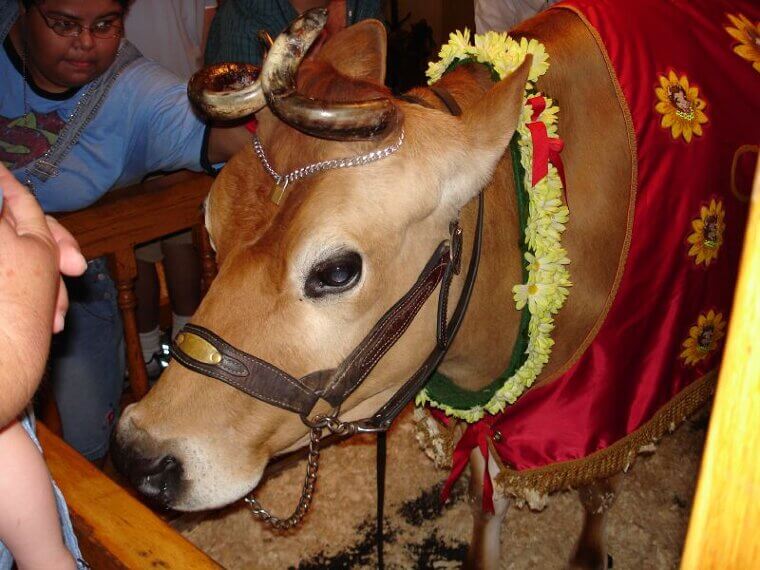
For children, Elsie made drinking milk feel like a fun connection to a cheerful, animated world, turning a basic nutritional requirement into a branded experience filled with personality.
The "Presto" Pressure Cooker
The rhythmic "hiss-jiggle" of the pressure cooker weight on the stove was the sound of a mother getting a head start on a Sunday roast. These heavy aluminum pots were the high-tech kitchen gadgets of their day, promising to tenderize the toughest cuts of meat in record time. While they were reportedly a bit intimidating to the uninitiated, they were a staple for the efficient housewife.
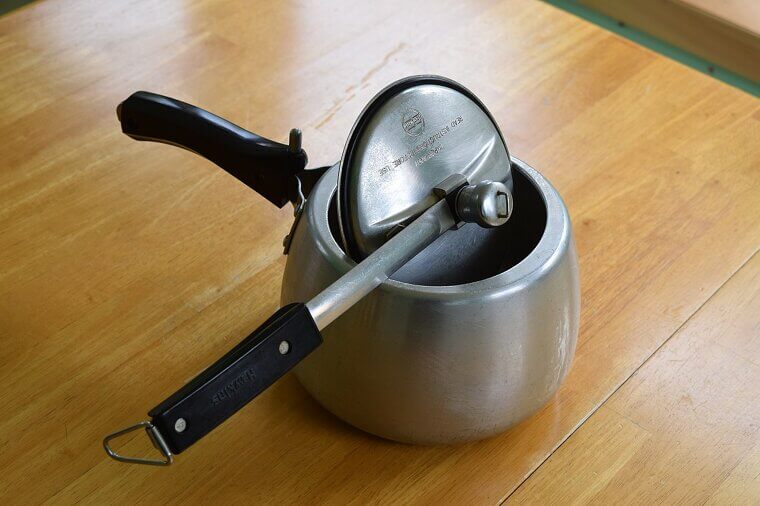
They represented a move toward scientific cooking methods, allowing families to enjoy hearty, home-cooked meals even on busy weeknights, and they remain a symbol of mid-century domestic ingenuity and practical kitchen management.
Metal Lunchboxes
For a schoolchild, a lunchbox was the ultimate fashion statement. Whether it featured the Flintstones, a favorite astronaut, or a popular rock band, it told the world exactly who you were. These sturdy containers, complete with a matching glass-lined Thermos, were built to survive playground scuffles and bus rides. Opening one at the lunch table was a moment of social reveal. They were reportedly indestructible, though the hinges eventually rusted and the paint chipped, adding "character" to a beloved item.
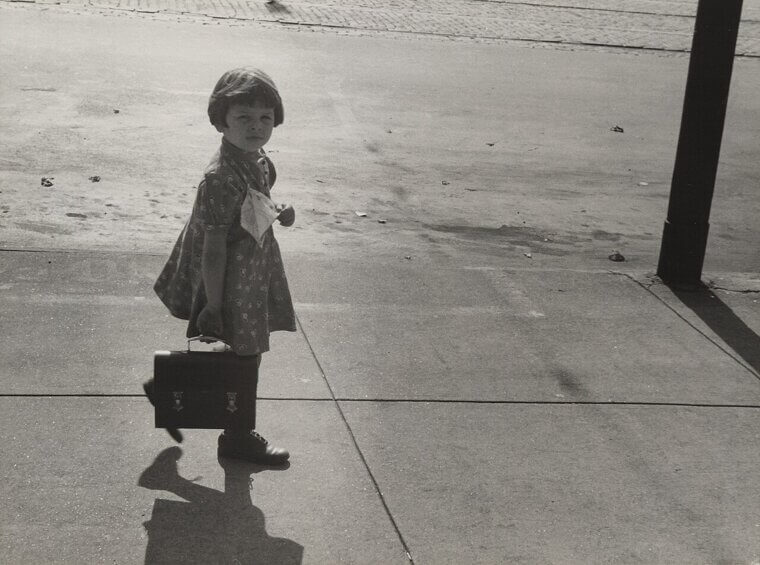
They remain nostalgic reminders of the daily rhythm of school life and the simple joy of a homemade sandwich.
The Milkman’s Delivery
The gentle clinking of glass bottles in a wire crate during the early morning hours was a comforting, rhythmic part of the week. The milkman didn't just deliver dairy; he provided a reliable service that felt like a personal connection. Seeing the cream rise to the top of the bottle was a sign of freshness that modern cartons can't replicate. You could leave a note in an empty bottle asking for extra butter or eggs.
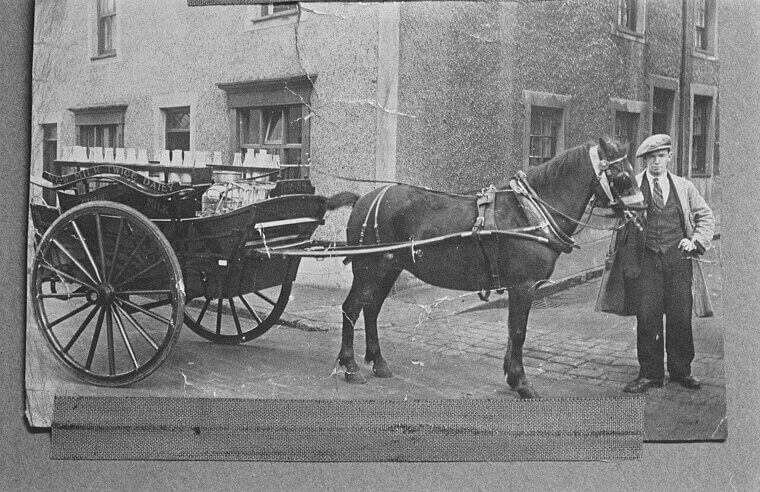
And like magic, they would appear. It was a system built on trust and a shared understanding of a family’s needs and daily routines.
Rotary Phones
There was a physical satisfaction in the "whirr-click" of a rotary dial that a touchscreen simply cannot replicate. Each number required a deliberate action, and the long cord allowed for a certain amount of "private" conversation if you could stretch it into the hallway or a closet. The heavy, indestructible handset was a fixture of the kitchen wall or the hallway niche. It forced a certain level of patience and focus on the person you were calling.
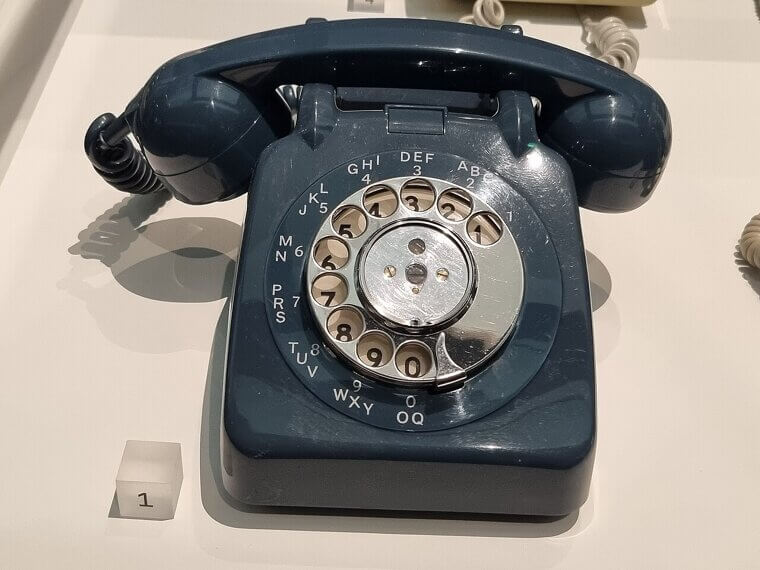
These phones were built to last a lifetime, symbolizing a time when communication was a stationary, intentional, and often shared family experience.
Record Store Listening Booths
Before you committed your hard-earned allowance to a new 45 RPM single, you could take it to a listening booth. These small, private cubicles in the back of a music store allowed you to preview the latest sounds through heavy headphones. It was a sanctuary for music lovers, a place to discover new artists and deliberate over purchases. The smell of vinyl and the sight of colorful album art created an immersive sensory experience.
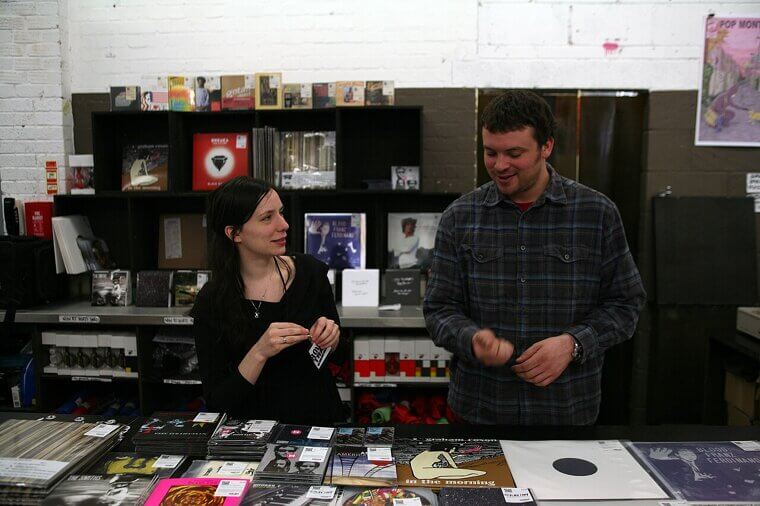
It made buying music a deliberate, tactile event, turning a simple transaction into an afternoon of cultural exploration and personal discovery.
Rexall Drugstores
With their distinctive orange and blue signs, Rexall stores were the neighborhood's go-to for health, beauty, and a good dose of local news. They were often owned by a local pharmacist who knew your family by name. Beyond prescriptions, they featured an eclectic mix of stationery, clocks, and seasonal decor. The Rexall "1-Cent Sale" was a legendary event that drew crowds looking to stock up on household essentials.
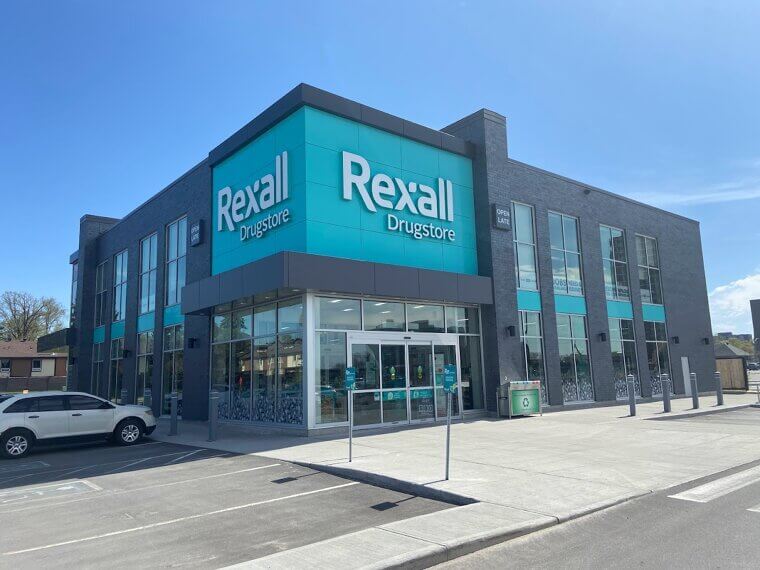
These stores were a pillar of the community, offering a sense of security and a personal touch that made the local pharmacy feel like an extension of the family.
The Beauty Parlor Experience
Going to the "beauty parlor" was a weekly commitment for many women, involving hair dryers that looked like space-age helmets and the distinct scent of permanent wave solution. It was a social sanctuary where the latest town gossip was traded as freely as fashion magazines. Getting a "wash and set" meant your hair would stay perfectly in place for seven days. The stylists were confidantes and artists, transforming their clients for Sunday service or special events.
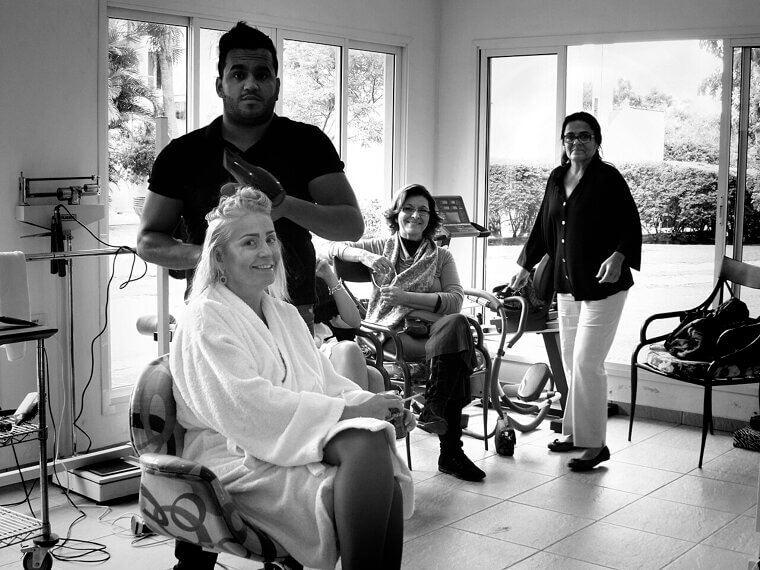
It was a dedicated time for self-care and community, representing an era where grooming was an event rather than a chore.
Encyclopedias
A set of Encyclopedia Britannica or World Book was the ultimate status symbol for an education-focused household. These leather-bound volumes, often purchased on a payment plan from a traveling salesman, held the sum of human knowledge on their gold-edged pages. Doing homework meant pulling a heavy book from the shelf and meticulously taking notes. They were a physical manifestation of a family's aspirations for their children.

The smell of the paper and the detailed acetate overlays in the anatomy section provided a tactile learning experience that made the world feel vast yet strangely accessible.
A&W Root Beer Stands
Long before modern fast food, A&W was the king of the "drive-in" experience. Having a tray clipped to your car window by a carhop was the height of luxury. The root beer was served in a frosted glass mug so cold it would almost freeze your fingers. It was thick, creamy, and carried a signature spice that felt vastly superior to anything in a bottle. Often, families would make a special trip just for a "Baby Burger" or a frosty float.
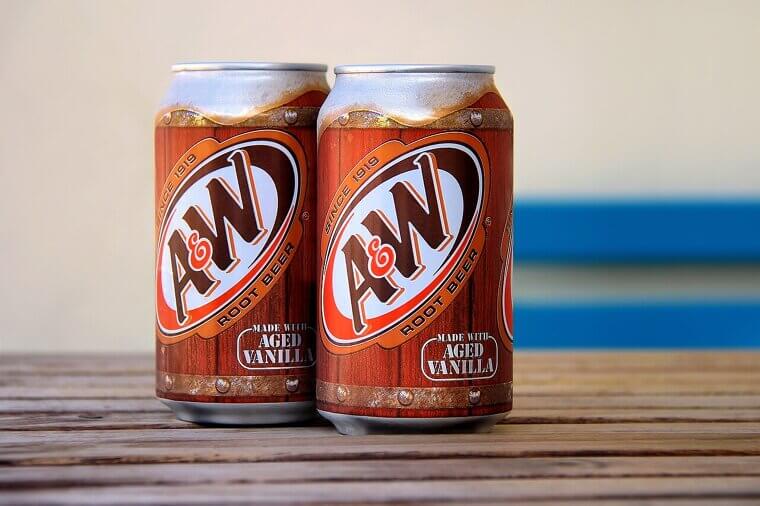
It was a celebration of the automobile and a specific type of roadside Americana that felt both festive and delicious.
Woolworth’s Pet Department
It might seem strange today, but the local five-and-dime was once a primary destination for the family’s first pet. The back of the store often featured a bustling department filled with chirping parakeets, bubbling fish tanks, and the occasional turtle or hamster. For a child, a trip to Woolworth’s wasn't complete without a visit to see the animals. It brought a touch of the wild to the suburban shopping experience.
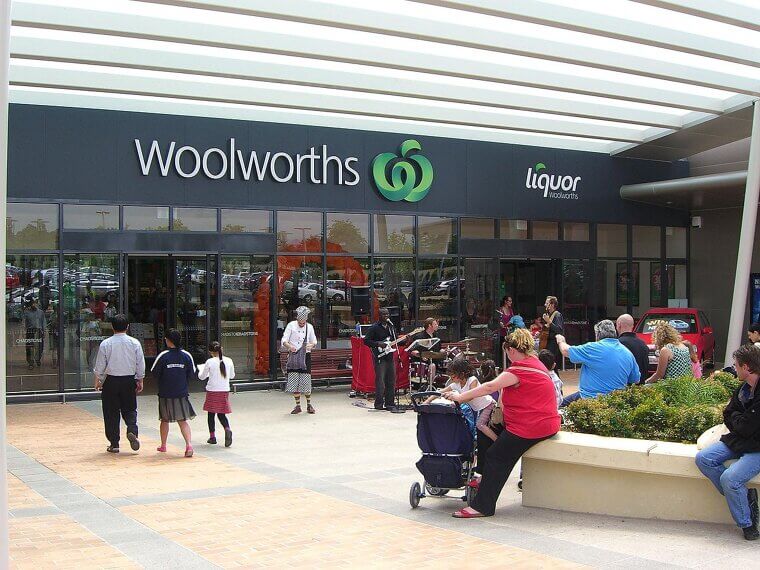
Many a goldfish was won or bought there, carried home in a water-filled plastic bag, representing a first lesson in responsibility and the wonder of the natural world.
Burma-Shave Signs
Road trips in the mid-century were defined by the rhythmic appearance of small wooden signs along the highway. These sequential signs told a joke or offered a rhyming safety tip, always ending with the iconic "Burma-Shave" logo. They were the original viral marketing, keeping families entertained during long drives before car DVDs or tablets existed. Reading them aloud became a competitive sport for siblings in the backseat.
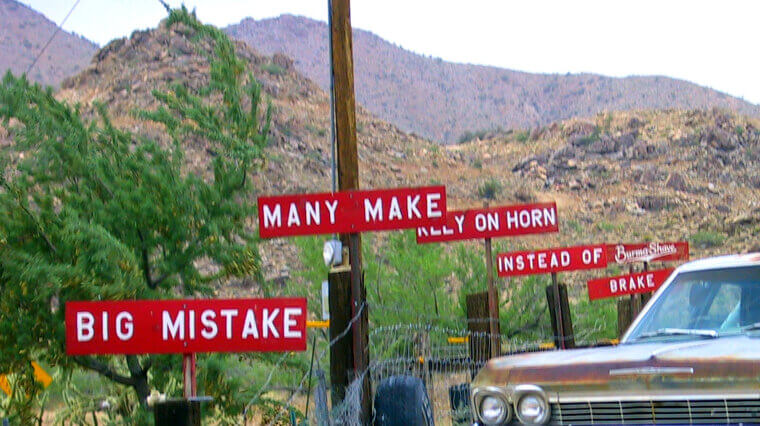
These signs reflected a playful, whimsical side of American advertising, turning a boring stretch of asphalt into a storytelling journey that made the destination feel secondary to the fun of the drive.
Humble Oil (Esso/Enco)
Stopping at an Esso or Humble station was about more than just fuel; it was about "putting a tiger in your tank." The service was impeccable, with attendants in crisp uniforms rushing out to wash your windshield, check your oil, and offer a free paper map. You didn't even have to leave your car. These stations often gave away promotional items like "Tiger Tails" to hang from your gas cap or drinking glasses featuring historical themes.
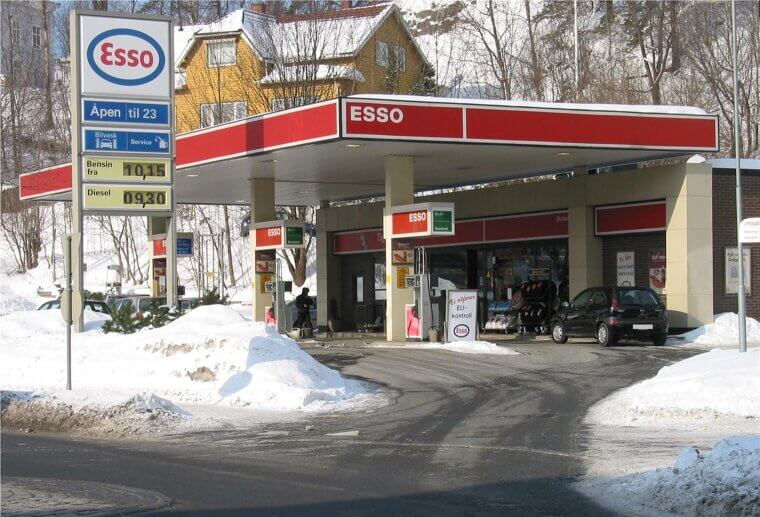
It was an era of high-touch service where the gas station was a reliable partner in every family's adventures on the open road.
Singer Sewing Centers
For the home dressmaker, the Singer Sewing Center was an essential resource. It wasn't just a retail store; it was a hub for education, offering classes on everything from basic hemming to complex tailoring. The smell of machine oil and the sight of colorful spools of thread created an atmosphere of industrious creativity. Buying a new Singer machine was a major investment, often lasting decades.
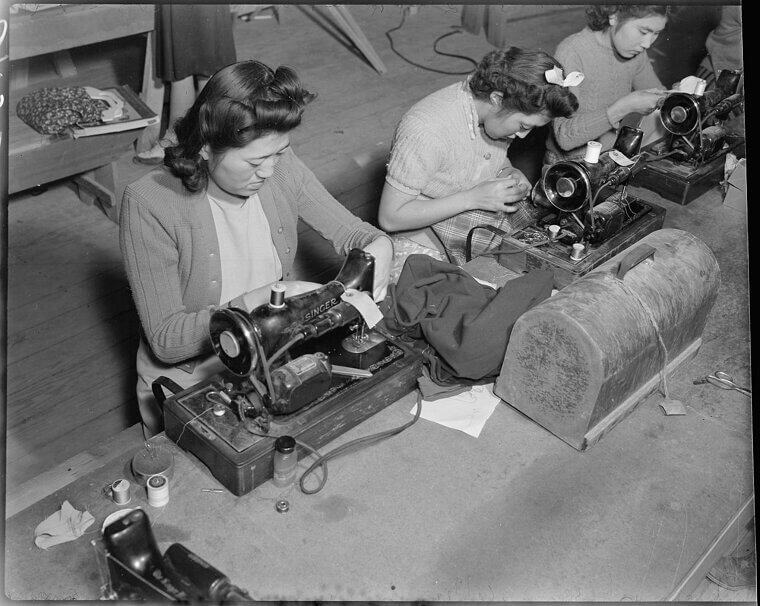
These centers supported a culture of thrift and craftsmanship, empowering women to create bespoke wardrobes for their families and decor for their homes, fostering a sense of pride in manual skill and domestic artistry.
The Corner Newsstand
In the heart of every town, the newsstand was a colorful explosion of print media. It was where you’d find the thick Sunday paper, the latest "Life" magazine, and racks of comic books that cost a mere twelve cents. The proprietor usually knew exactly which magazine you were looking for. It was a sensory experience—the smell of fresh ink, the rustle of paper, and the vibrant cover art competing for attention.
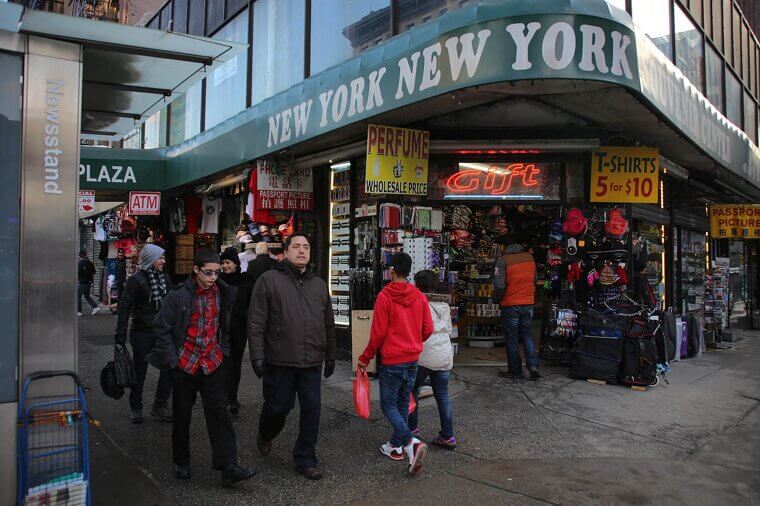
It served as the town’s information gateway, a place where people paused to catch up on global events or escape into a glossy world of celebrity and fashion.
Stauffer’s Thrift Outlets
Before the advent of the modern "factory outlet" mall, there were the modest bakery and frozen food outlets. Often tucked away in industrial areas, these stores offered "seconds" or overstock items at a fraction of the grocery store price. It was the thrill of the bargain—finding a slightly dented box of Macaroni and Cheese or a surplus of frozen pies. For a budget-conscious household, a trip to the outlet was a strategic mission.
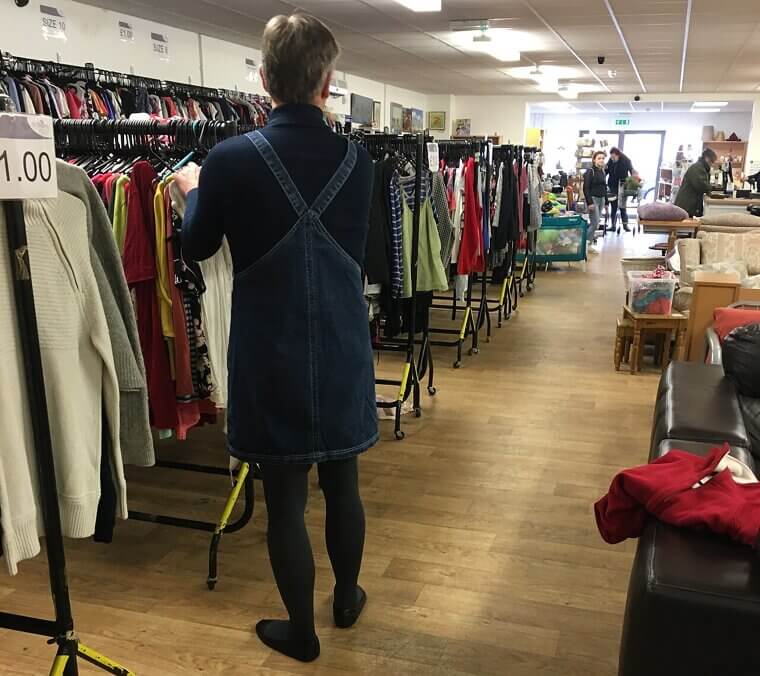
It rewarded those willing to look past a cosmetic flaw to find a high-quality meal, embodying the post-war spirit of being sensible with every hard-earned dollar.
Mercurochrome
Every 1960s medicine cabinet contained that tiny glass bottle with the glass applicator rod. Known for its vivid orange-red hue, Mercurochrome was the standard treatment for every scraped knee and "strawberry" earned on the playground. It was a badge of courage; walking around with a bright red stain on your shin proved you had survived a tumble. While it reportedly stung less than iodine, it was a constant companion in childhood.
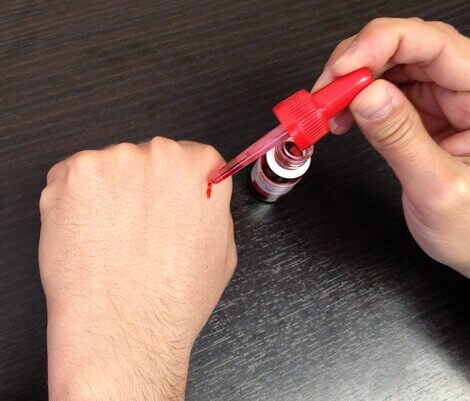
The ritual of "painting" a wound was a mother’s way of providing comfort, turning a minor injury into a colorful story of resilience and quick healing.
Blue Chip Stamps
Much like their green counterparts, Blue Chip Stamps were a fixture of West Coast shopping culture. They turned the grocery checkout into a rewarding experience, as clerks tore off long strips of stamps based on your total. Families would spend evenings pasting them into books, often competing to see who could fill a page the fastest. The catalog was a dream book of mid-century modern lamps, sporting goods, and kitchenware.
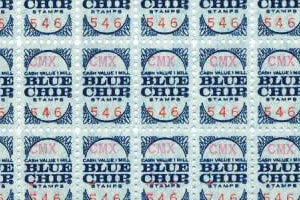
It was a tangible way to see your household spending turn into a reward, making the act of providing for a family feel just a little bit more like winning.