First Lady Martha "Patsy" Jefferson Randolph (Thomas Jefferson) – The President's Intellectual Daughter
Martha Jefferson Randolph, often called "Patsy," stepped into the role of White House hostess for her father, Thomas Jefferson, who had been a widower for nearly two decades by the time he took office. As his eldest daughter, Patsy was more than just a social figure; she was her father’s intellectual companion and closest confidante. She reportedly managed the complex social hierarchies of Washington with a grace that softened Jefferson’s often-austere public image.
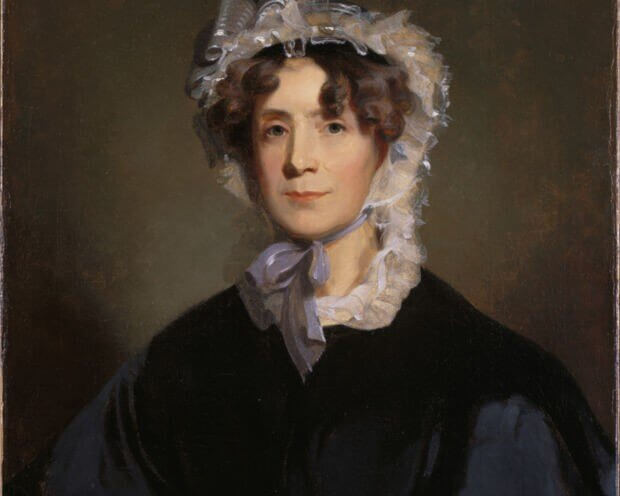
Having been educated in Paris, she brought a level of European sophistication and conversational brilliance to the President’s House that was quite rare for the era.
First Lady Dolley Madison (Thomas Jefferson) – The Secretary of State’s Wife as "Honorary" Hostess
Before she became a legendary First Lady in her own right, Dolley Madison served as an honorary hostess for Thomas Jefferson. Because Jefferson’s own daughters were often away at their homes in Virginia, he frequently called upon Dolley, the wife of his Secretary of State, James Madison, to preside over official functions. This was a unique arrangement where a Cabinet wife effectively "auditioned" for the role she would eventually hold permanently.
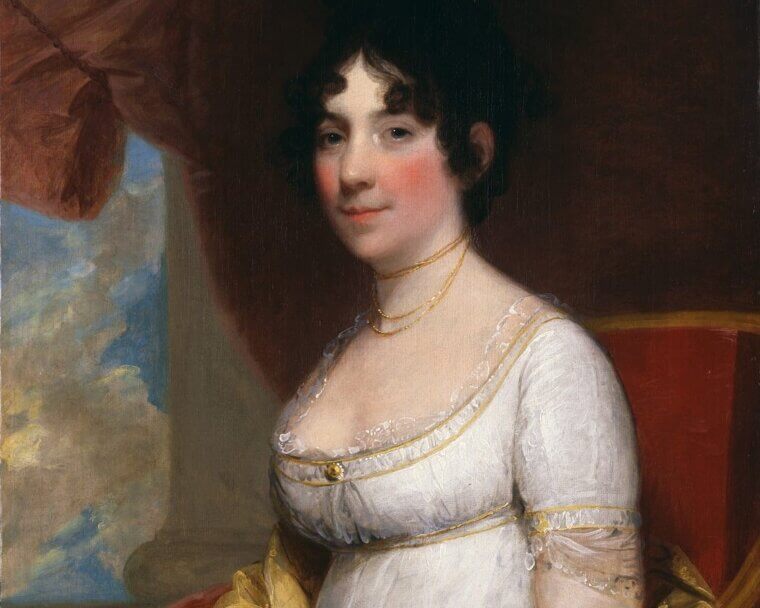
Dolley used this time to master the art of political entertaining, allegedly learning how to balance rival factions over dinner long before her husband ever took the oath of office.
First Lady Emily Donelson (Andrew Jackson) – The President's Feisty Niece
Emily Donelson was only 21 years old when she became the acting First Lady for her uncle, Andrew Jackson, following the tragic death of his wife, Rachel, just before his inauguration. Emily was a spirited Tennessee woman who was reportedly one of the few people not intimidated by the President’s famous temper. Her tenure was defined by the "Petticoat Affair," a social scandal involving a Cabinet wife named Peggy Eaton.
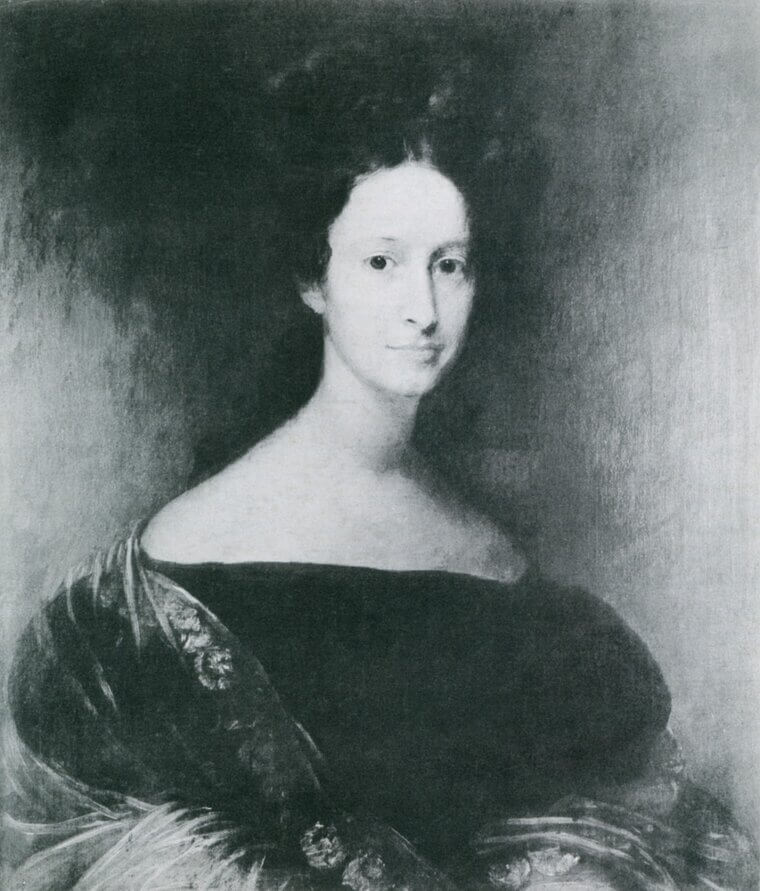
Emily allegedly refused to socialise with Peggy despite Jackson's demands, leading to a massive falling out that eventually saw Emily dismissed from the White House in a cloud of drama.
First Lady Sarah Yorke Jackson (Andrew Jackson) – The Co-Hostess and Daughter-In-Law
In a truly unique historical twist, Sarah Yorke Jackson served as co-hostess alongside Emily Donelson for a time, making it the only period in history where two women shared the duties of First Lady simultaneously. Sarah was the wife of Jackson’s adopted son and was deeply beloved by the President, who treated her like his own daughter. After Emily Donelson was sent away due to the Eaton scandal, Sarah took over the primary responsibilities.
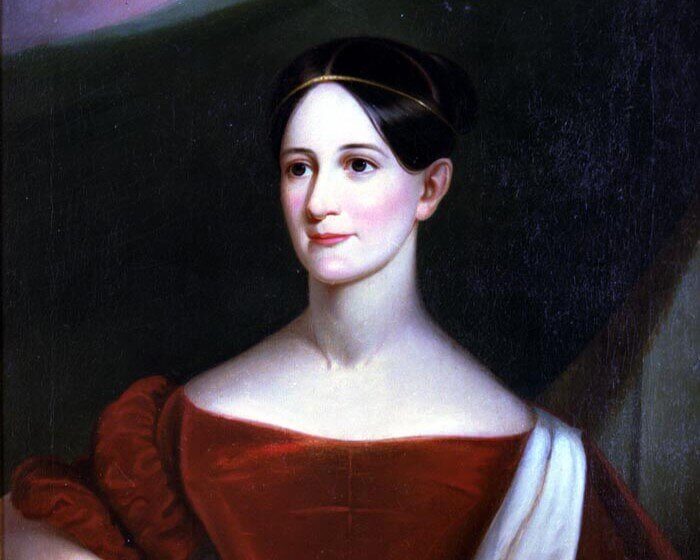
Her time as hostess was reportedly marked by a quieter, more somber atmosphere, as the President remained in deep mourning for his late wife throughout his term.
First Lady Angelica Singleton Van Buren (Martin Van Buren) – The President's Controversial Daughter-In-Law
When widower Martin Van Buren took office, the White House lacked a female lead until his son, Abraham, married Angelica Singleton, a wealthy South Carolina heiress. Angelica was introduced to the family by none other than Dolley Madison. She was young and glamorous, but she famously ruffled feathers after a trip to Europe. Allegedly inspired by the courts of Queen Victoria, she attempted to receive guests while seated on a raised platform, refusing to shake hands in the democratic fashion.
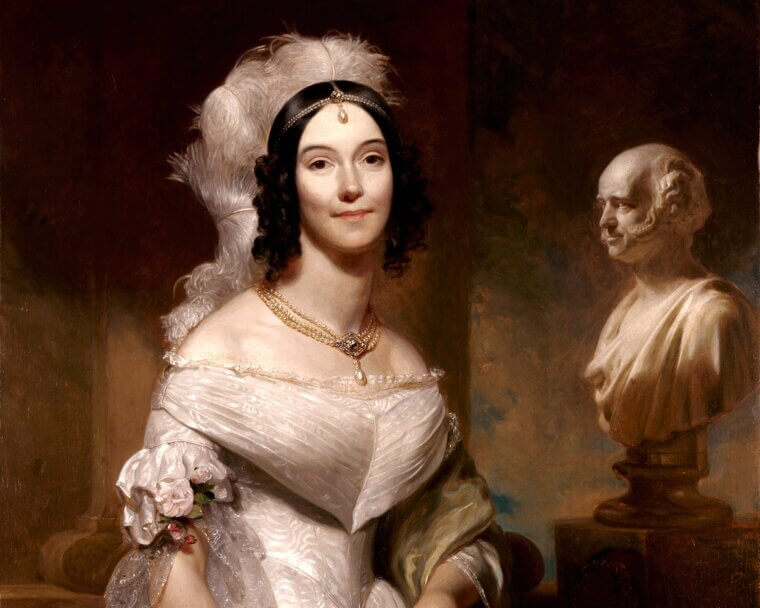
The American public reportedly found this "regal" behavior quite off-putting, forcing her to return to more traditional, humble greeting methods.
First Lady Jane Irwin Harrison (William Henry Harrison) – The Daughter-In-Law Who Served for a Month
Jane Irwin Harrison holds one of the shortest tenures in White House history, serving as hostess for her father-in-law, William Henry Harrison. The President’s wife, Anna, was too ill to travel to Washington for the inauguration, so Jane was sent in her place. She was reportedly a charming and capable hostess, but her time in the spotlight lasted only 31 days. When the President passed away from pneumonia shortly after taking office, Jane’s role ended abruptly.
Despite her brief stay, she is remembered for her poise during an incredibly chaotic and tragic transition of power in the early republic.
First Lady Priscilla Cooper Tyler (John Tyler) – The Former Actress and Daughter-In-Law
Priscilla Cooper Tyler was perhaps one of the most theatrical hostesses the White House had ever seen—quite literally, as she was a former professional stage actress. When her mother-in-law, Letitia Tyler, suffered a stroke and was unable to fulfill social duties, Priscilla took center stage. She reportedly adored the role, once writing that she felt like she was playing the greatest "part" of her life. Some socialites allegedly looked down on her previous profession.
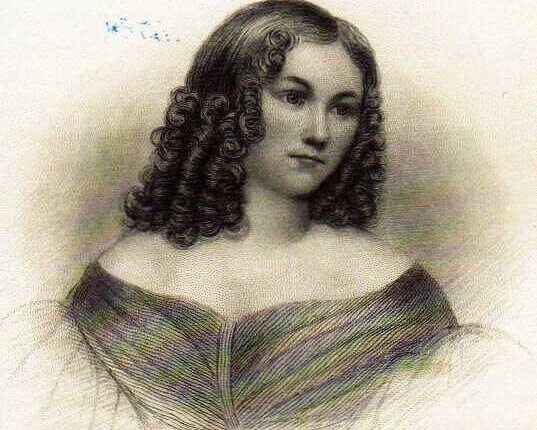
But her charisma and stage-trained social skills made the Tyler administration’s parties some of the most vibrant and talked-about events in the capital's history.
First Lady Letitia Christian Tyler Semple (John Tyler) – The President's Distant Daughter
After the death of the President’s first wife and the departure of his daughter-in-law Priscilla, Letitia Tyler Semple stepped in for her father. However, the arrangement was famously frosty. Letitia reportedly harbored a deep resentment when her father remarried a much younger woman, Julia Gardiner. This led to a unique and awkward power struggle within the Executive Mansion. Letitia allegedly refused to acknowledge her new stepmother’s authority, creating a divided household.
Her time as hostess is often remembered less for her parties and more for the icy family dynamics that reportedly made White House social functions quite tense for the guests.
First Lady Mary Elizabeth "Betty" Bliss (Zachary Taylor) – The President's Youngest Daughter Who Lived a Double-Life
President Zachary Taylor’s wife, Margaret, was a semi-invalid who preferred the seclusion of the upstairs living quarters, leaving their daughter, Betty Bliss, to serve as the official face of the administration. Betty was only 22 years old, but she was widely praised for her "youthful sweetness" and lack of pretension. Unlike the stiff, formal hostesses of the past, Betty reportedly brought a breath of fresh air to Washington.
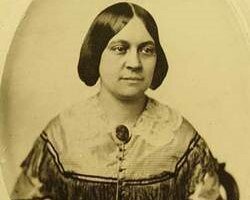
She was unique because she effectively lived a double life: a polished public figure by day and a devoted caregiver to her mother by night, navigating the role with a maturity that allegedly charmed even her father’s fiercest political rivals.
First Lady Abigail "Abby" Fillmore (Millard Fillmore) – The President's Scholarly Daughter
While Millard Fillmore’s wife, Abigail, was technically the First Lady, she suffered from chronic leg pain that made standing in receiving lines nearly impossible. Their daughter, Abby, frequently stepped in to handle the physical rigors of the role. Abby was exceptionally well-educated for a woman of her time and was instrumental in helping her mother curate the first official White House library. She was unique because she prioritized intellectual gatherings over lavish balls.
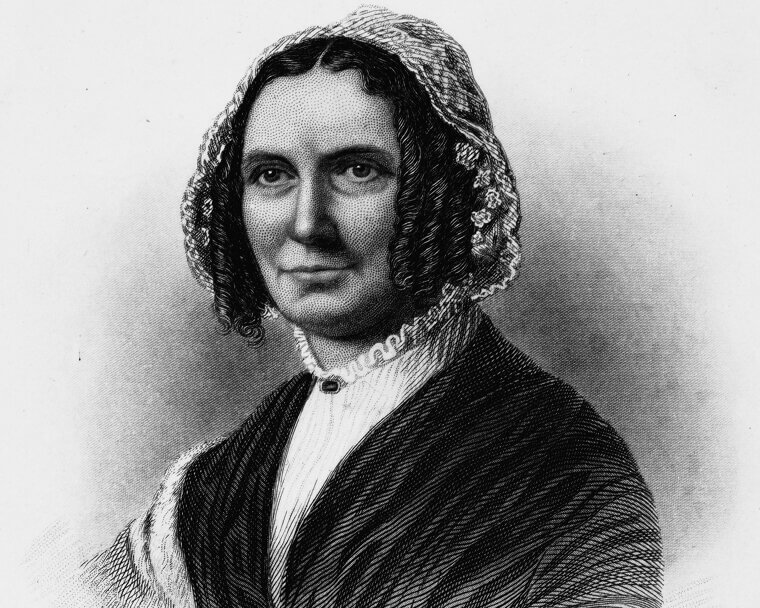
Reportedly, she was often seen discussing literature and music with guests, shifting the "hostess" role from one of mere decoration to one of genuine cultural and intellectual leadership.
First Lady Harriet Lane (James Buchanan) – The President's Glamorous Niece and the First Official "First Lady"
James Buchanan was America’s only lifelong bachelor President, which made his niece, Harriet Lane, the primary First Lady for his entire term. Harriet was a true celebrity of her day; she was so popular that women reportedly copied her hair, her lace berthas, and even named their daughters after her. She was unique because she took on a more political role than many of her predecessors, allegedly using her social influence to lobby for better conditions for Native Americans.
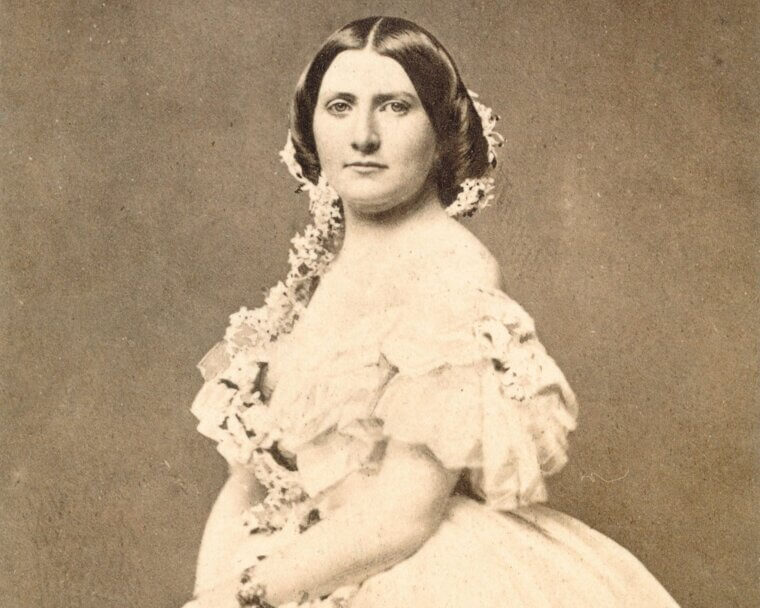
Her sophistication, gained from time spent at the Court of St. James, helped her navigate the pre-Civil War tensions that were beginning to tear Washington society apart.
First Lady Martha Johnson Patterson (Andrew Johnson) – The President's Practical Daughter
Following the Civil War, Martha Johnson Patterson served as hostess for her father, Andrew Johnson, because her mother, Eliza, was suffering from tuberculosis. Martha was famously down-to-earth; she famously brought two cows to the White House lawn so she could provide fresh milk for her family. She reportedly told the press, "We are plain people from the mountains of Tennessee... I trust too much will not be expected of us."
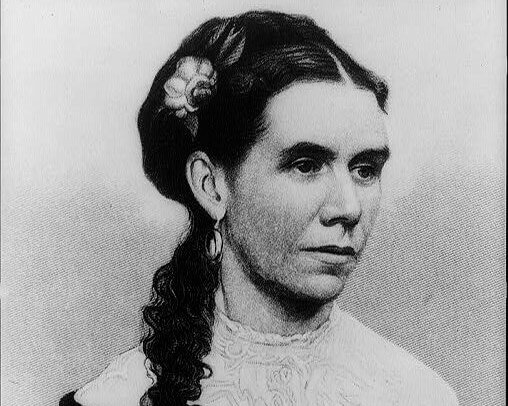
Her tenure was unique for its lack of "glamour" and its focus on rebuilding a sense of normalcy and dignity in a White House that had been physically and emotionally scarred by war.
First Lady Mary "Mollie" McElroy (Chester A. Arthur) – The President's Socialite Sister
When Chester A. Arthur became President after the assassination of James Garfield, he was a grieving widower. He asked his sister, Mary McElroy, to move to Washington to care for his daughter and manage White House social affairs. Mary was unique because she was a "part-time" hostess, often returning to her home in Albany during the summers. Despite this, she was reportedly highly effective, managing the President’s notoriously extravagant tastes with grace.
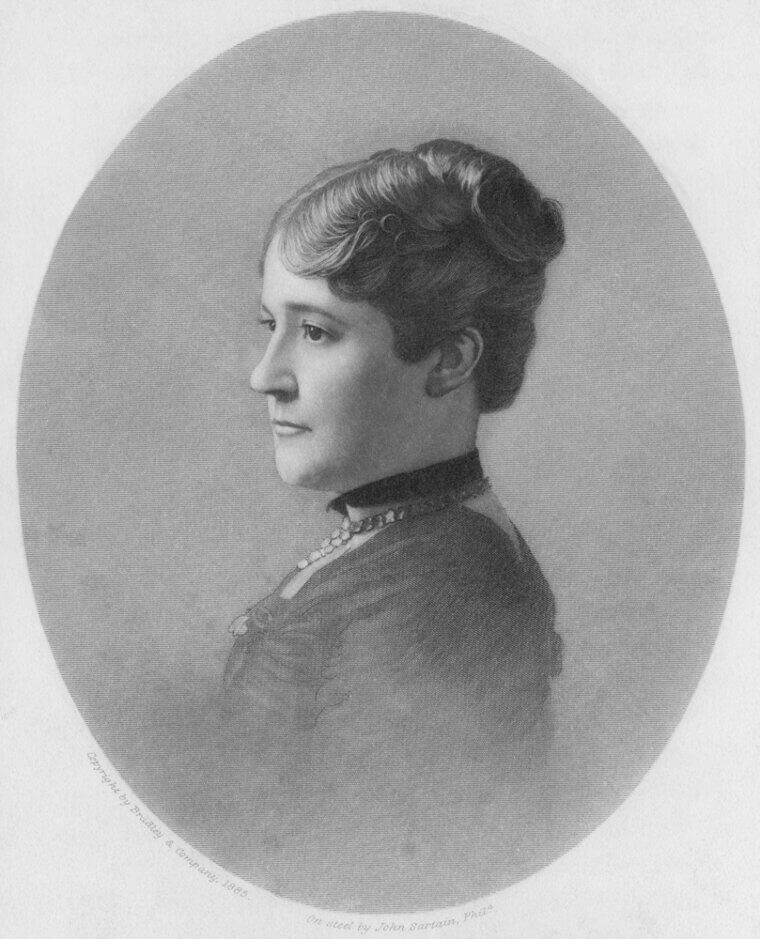
She allegedly helped soften Arthur’s image as a "dandy" politician by creating an atmosphere that felt more like a refined, private home than a cold, official government building.
First Lady Rose Cleveland (Grover Cleveland) – The President's Intellectual Sister
Before Grover Cleveland married Frances Folsom, his sister Rose served as the White House hostess. Rose was a scholar, a teacher, and a published author who reportedly found the "vapid" small talk of Washington social life incredibly boring. She was unique because she allegedly spent her time in receiving lines mentally translating Greek verses to keep her mind occupied while shaking hands with thousands of guests.
Her tenure was brief, as her brother’s wedding soon relieved her of her duties, but she is remembered as one of the most academically brilliant women to ever hold the position of acting First Lady.
First Lady Mary Harrison McKee (Benjamin Harrison) – The President's Devoted Daughter
As Caroline Harrison’s health declined due to tuberculosis, her daughter Mary McKee stepped in to handle the social calendar. Following her mother’s death in 1892, Mary became the sole hostess for the remainder of her father's term. Mary was unique because she brought a "family-first" atmosphere to the White House, with her own children often seen playing in the hallways. However, the relationship soured when her father later decided to marry her mother’s much younger niece.
Mary reportedly found the match scandalous and allegedly never spoke to her father again after he left office, marking a tragic end to her White House service.
First Lady Margaret "Mary" Woodrow Wilson – The President's Singing Daughter
After the death of Ellen Wilson in 1914, her eldest daughter Margaret took over the duties of the White House hostess. Margaret was unique because she was a trained soprano and frequently used her position to promote the arts and community centers. She reportedly felt a deep sense of duty to her father, but she also maintained a life of her own, eventually traveling to India to pursue spiritual interests after her time in the capital.
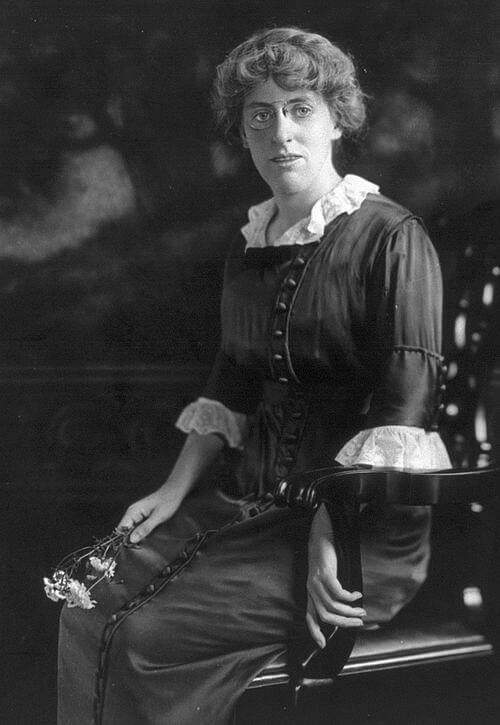
Allegedly, she was more comfortable in a recording studio than at a formal state dinner, making her one of the more artistically inclined women to lead the household.
First Lady Helen Taft Manning (William Howard Taft) – The President's Academic Daughter
While Helen "Nellie" Taft was the First Lady, she suffered a debilitating stroke early in her husband's term. This led their daughter, Helen Taft Manning, to step in as a secondary hostess during her breaks from college. Helen was unique because she was a dedicated scholar who eventually became a dean and professor at Bryn Mawr College. She reportedly found the social requirements of the White House to be a distraction from her studies, yet she performed them with a quiet efficiency.
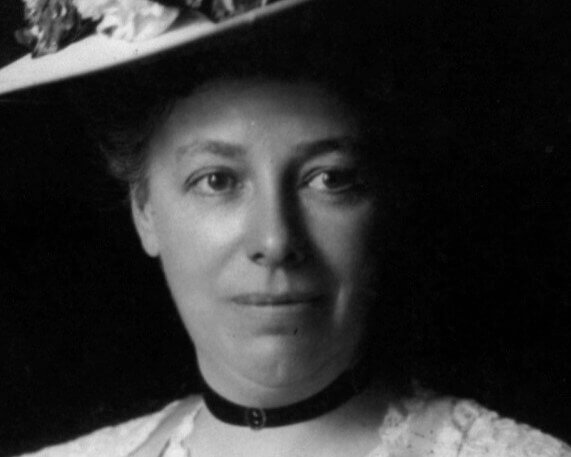
Allegedly, she was instrumental in keeping the household running smoothly while her mother underwent a long and difficult recovery.
First Lady Martha "Patsy" Jefferson Randolph (James Monroe) – Jefferson's Daughter Who Stepped up Again During the Monroe Administration
While we already met Patsy as her father's hostess, she also served as an occasional acting hostess for the Monroes when Elizabeth Monroe was in poor health. This made her a unique "legacy" figure in Washington, bridge-building between different administrations. Because of her deep familiarity with the protocols of the President’s House, she reportedly provided a sense of continuity and tradition during a time when the capital was still finding its cultural footing.
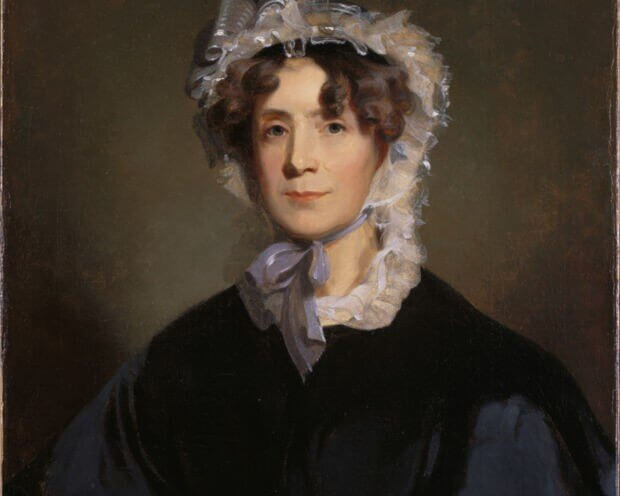
She was allegedly sought out by many younger women for her advice on how to navigate the complex social etiquette of the era without causing a political scandal.
First Lady Margaret "Peggy" Taylor (Zachary Taylor) – The Silent Supervisor
Margaret Taylor was famously reclusive, reportedly having prayed for her husband to lose the election so they could retire in peace. Because she refused to take part in public life, her daughter Betty became the face of the administration, but Margaret remained the "acting" matriarch in private. She was unique because she allegedly spent her days knitting and receiving only close friends in her private rooms. This created a strange dynamic.
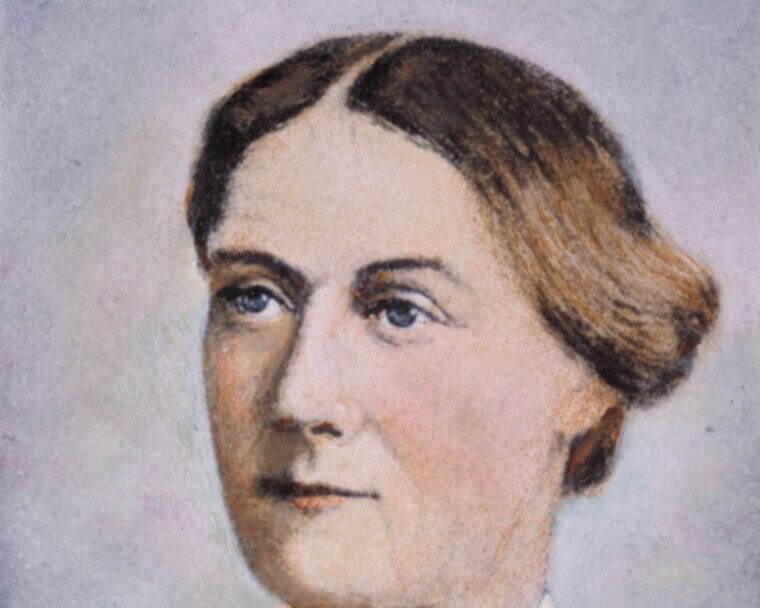
Guests knew the First Lady was in the building but never saw her. Reportedly, she viewed the White House as a burden rather than a privilege, a sentiment that was quite rare.
First Lady Eliza Johnson (Andrew Johnson) – The Courageous Recluse
Like Margaret Taylor, Eliza Johnson was often hidden from view due to her tuberculosis, yet she was reportedly her husband’s most important advisor. During his impeachment trial, she allegedly sat in a room across from his office, waiting for news and providing emotional support. While her daughter Martha handled the parties, Eliza was the "acting" moral compass of the family. She was unique because she had been the one to teach her husband how to read and write years earlier.
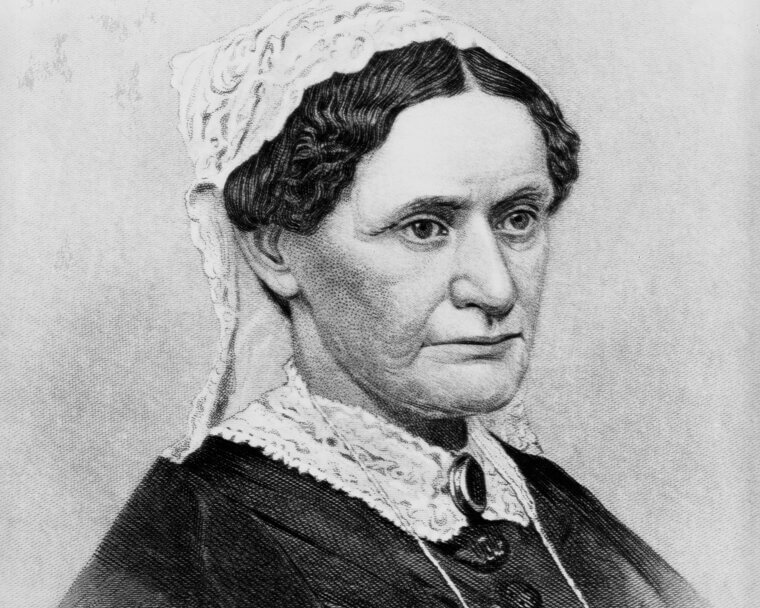
Allegedly, she remained his closest confidante throughout his tumultuous term, proving that the hostess's influence often extended far beyond the dining room.
First Lady Mary Elizabeth "Betty" Taylor Bliss (Zachary Taylor) – The Soldier’s Daughter
Betty Bliss was unique not just for her youth, but for her background as a daughter of the frontier. Growing up in various army outposts, she reportedly brought a sense of resilience and "no-nonsense" attitude to the White House. She was allegedly much more comfortable in simpler settings than the gold-leafed parlors of Washington. Her tenure was marked by a unique lack of pretension that reportedly made her one of the most popular hostesses in the mid-19th century.
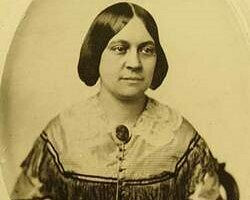
Guests allegedly found her refreshing because she lacked the "aristocratic" airs that had characterized some previous administrations, making the White House feel more accessible to the average citizen.
First Lady Angelica Van Buren (Martin Van Buren) – The Diplomatic Daughter-In-Law
Angelica’s role was unique because she was essentially "married into" the job. As the wife of the President’s son, she had to navigate the expectations of her father-in-law while establishing her own identity. She was reportedly very close to the President, who took great pride in her Southern charm and her ability to speak fluent French. Allegedly, she was often seen as the "bridge" between the Northern and Southern factions of the Democratic party during dinner parties.
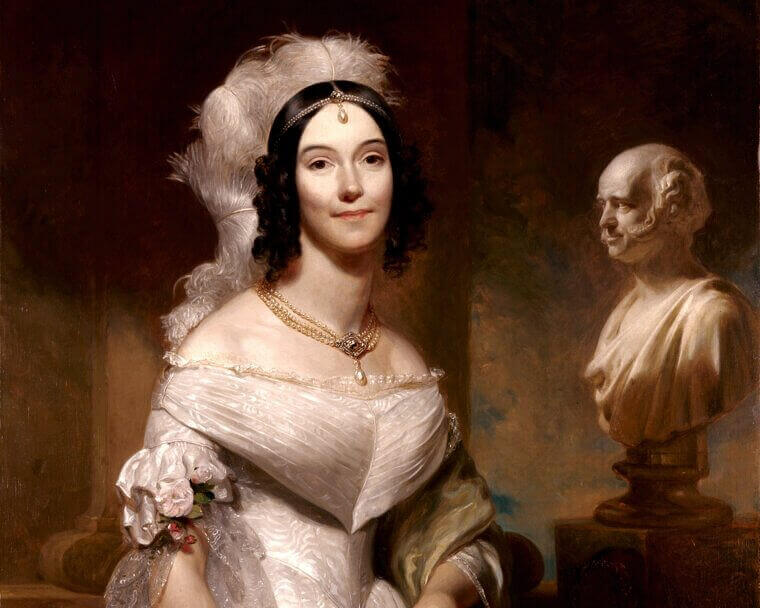
Her time in the White House was unique because she managed to remain a beloved figure in social circles even as her father-in-law’s political popularity began to wane.
First Lady Emily Donelson (Andrew Jackson) – The Exiled/fired First Lady
Emily’s story is unique because she was essentially "fired" from her role as acting First Lady. During the Eaton Affair, she reportedly stood her ground against her uncle, President Jackson, regarding who was socially "acceptable" in Washington. This was a massive risk, as Jackson was famously stubborn. Allegedly, Emily felt that her moral principles were more important than her prestigious position. Her departure from the White House was a unique moment in history.
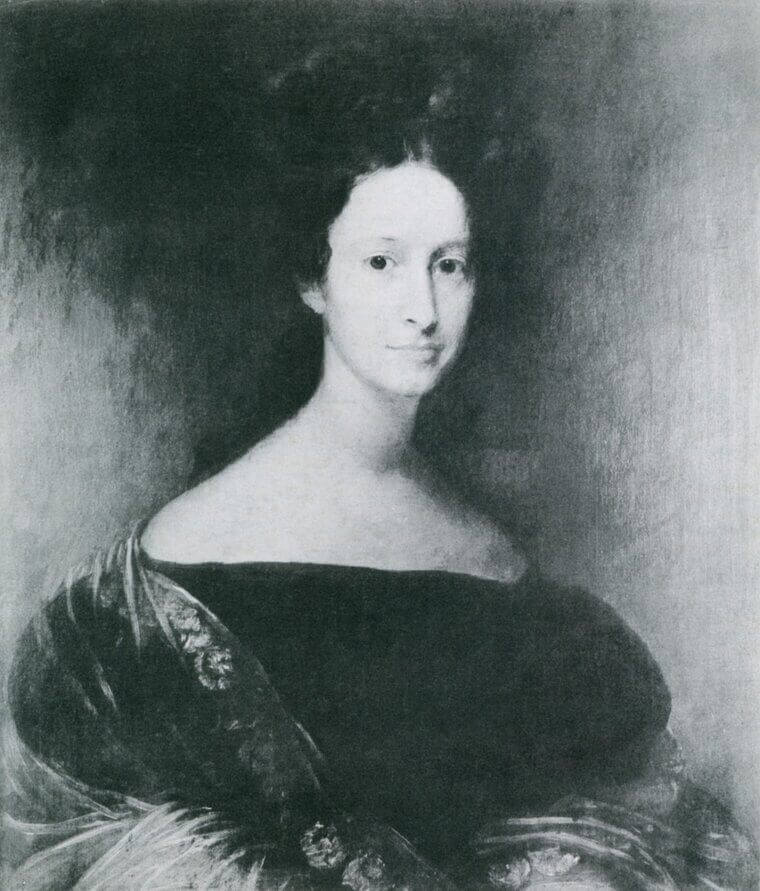
It marked the first time a hostess chose her own convictions over the social demands of the presidency, reportedly leaving a void in the administration’s social life that was never quite filled the same way.
First Lady Sarah Yorke Jackson (Andrew Jackson) – The Peacekeeping Hostess
Following the departure of Emily Donelson, Sarah Yorke Jackson became the primary hostess. She was unique because she brought a sense of calm and maternal warmth to a White House that had been rocked by scandal and internal fighting. Sarah reportedly focused on the President’s health and the happiness of the grandchildren, creating a "family sanctuary" within the capital. Allegedly, she was instrumental in mending some of the personal rifts Jackson had created with his political allies.
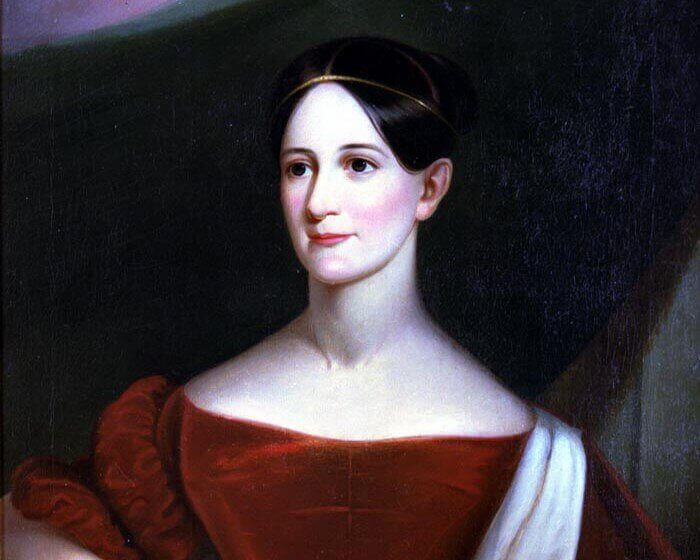
Her tenure was unique for its lack of drama, as she reportedly preferred quiet evenings by the fire over the rowdy, crowded receptions Jackson was known for.
First Lady Priscilla Cooper Tyler (John Tyler) – The First Lady of the Stage
Priscilla was unique because she was the first woman in the role to have had a career in the public eye before entering the White House. As a former actress, she was reportedly unafraid of the scrutiny that came with the position. She allegedly used her knowledge of lighting, costumes, and "blocking" to make White House events more visually stunning. Her unique background allowed her to treat every reception like a performance, and guests reportedly flocked to the mansion just to see the "actress-hostess" in action.
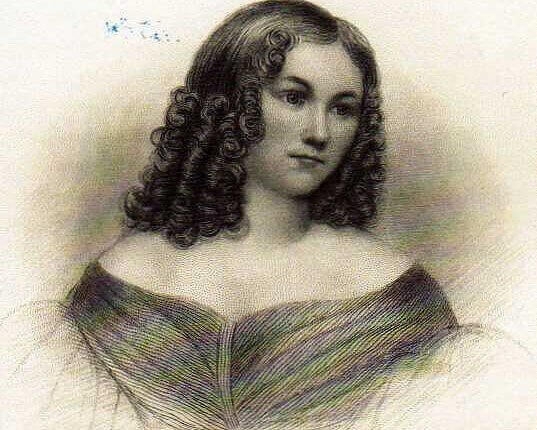
She allegedly brought a level of professional showmanship to the role that was decades ahead of its time.
First Lady Martha Johnson Patterson (Andrew Johnson) – The Dairy-Farmer Hostess Who Kept Cows on the White House Lawn
Martha’s time in the White House was unique because of her refusal to let the prestige of the office change her practical nature. While other hostesses might have focused on importing fine silks, Martha was reportedly focused on the fact that the White House had fallen into disrepair during the war. She allegedly did much of the cleaning and refurbishing herself, donning an apron to supervise the work.
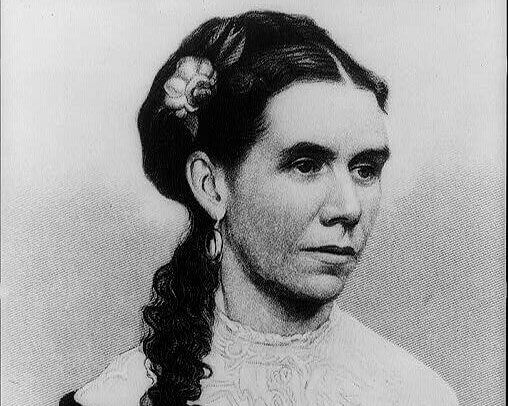
Her unique decision to keep cows on the lawn for fresh milk was reportedly mocked by some Washington elites, but it earned her the respect of the common people, who saw her as a relatable and grounded figure.
First Lady Rose Cleveland (Grover Cleveland) – The Reluctant Intellectual
Rose Cleveland was unique because she was perhaps the most public about her dislike for the traditional duties of a First Lady. As a writer and educator, she reportedly viewed the endless handshaking and small talk as a waste of time. Allegedly, she would often bring books to the table during state dinners, subtly reading whenever there was a lull in the conversation. Her unique approach to the role was short-lived.
She was reportedly quite relieved when her brother married, allowing her to return to her academic pursuits. She allegedly felt that her intellectual life was far more important than any social title.
First Lady Mary Harrison McKee (Benjamin Harrison) – The Nursery Hostess
Mary McKee’s tenure was unique because she essentially turned the White House into a giant nursery. Because she was caring for her own young children while serving as hostess for her father, the executive mansion was reportedly filled with toys and the sound of children playing. This was a stark contrast to the formal, often stuffy atmosphere of previous administrations. Allegedly, the public was charmed by photos of the "White House children."
Mary used this to create a more relatable, family-oriented image for her father. Her unique focus on the domestic side of the presidency made the mansion feel like a true home.
First Lady Margaret "Mary" Woodrow Wilson (Woodrow Wilson) – The Suffragist Hostess
Margaret Wilson was unique because she was an outspoken advocate for women’s right to vote while she was serving as the acting First Lady. While her father was famously slow to support the movement, Margaret reportedly used her platform to host meetings and discussions on the topic. She was unique because she didn't just host parties; she hosted "causes." Allegedly, she was often seen at rallies, much to the chagrin of the more conservative members of Washington society.
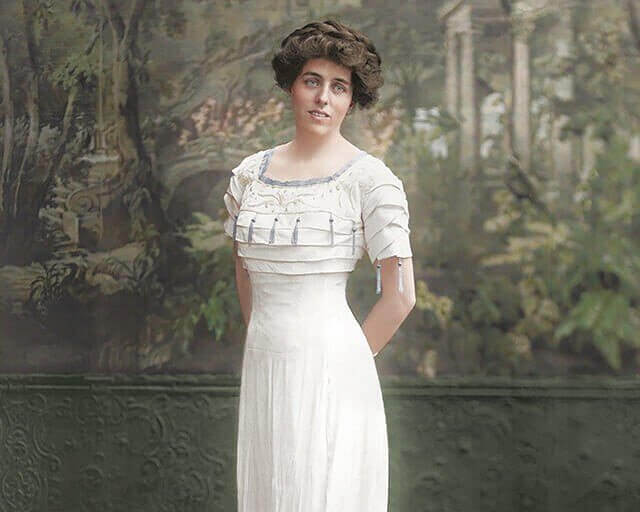
Her tenure was a unique blend of traditional social duty and modern political activism, proving that the hostess could be a force for social change.
First Lady Mary "Mollie" McElroy (Chester A. Arthur) – The Style Icon of the Gilded Age
Mary McElroy was unique because she navigated the high-society expectations of the Gilded Age with incredible ease. Her brother, President Arthur, was known for his love of luxury, and Mary reportedly curated a social scene that was the envy of New York’s elite. She was unique because she introduced many modern conveniences to White House entertaining, such as more efficient catering and floral arrangements.
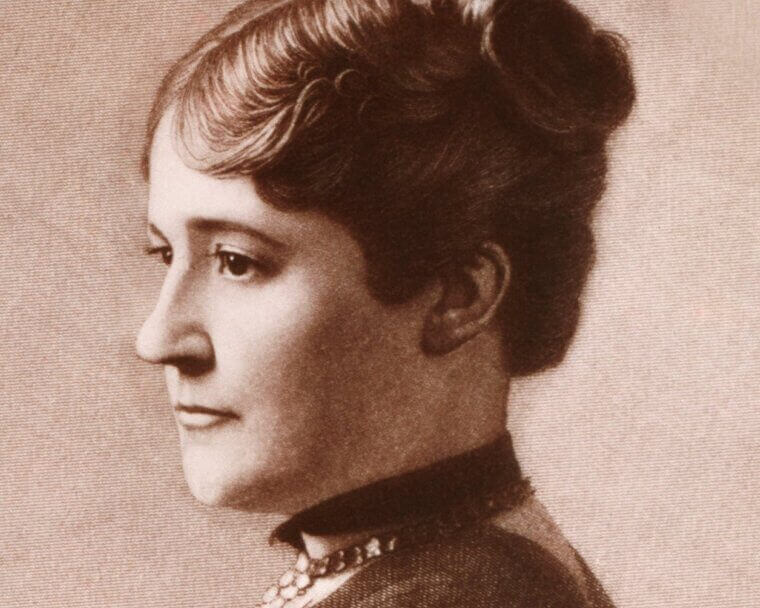
Allegedly, she was so popular that when her brother’s term ended, a group of prominent Washington women petitioned her to stay in the city. Her tenure was unique for its sheer elegance and high-fashion sensibilities.
First Lady Harriet Lane (James Buchanan) – The "First Lady" Title-Bearer
Harriet Lane is unique because she was the first person to actually be referred to as "The First Lady" in the press. Before her, the title wasn't standard. Because her uncle was a bachelor, Harriet was the sole female lead of the administration. She was unique because she used her popularity to influence the President on matters of art and culture. Allegedly, she was the one who convinced him to preserve several historical sites.
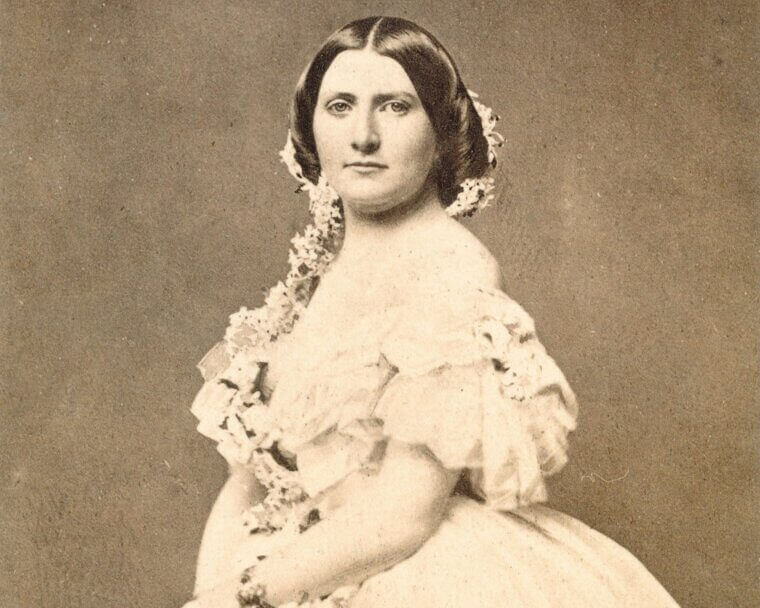
Her tenure was unique because she was treated with the same level of respect and authority as a President’s wife, setting the modern standard for the role’s influence.
First Lady Martha "Patsy" Jefferson Randolph (Thomas Jefferson) – The Gatekeeper of Monticello
In her final years as her father’s hostess, Patsy was unique because she became the literal gatekeeper of the President’s legacy. As Jefferson aged, he relied on her to manage the influx of visitors who wanted to meet the author of the Declaration of Independence. She was unique because she had to balance the role of a national hostess with the role of a protective daughter. Allegedly, she was the only person who could tell Jefferson when he was taking on too much.
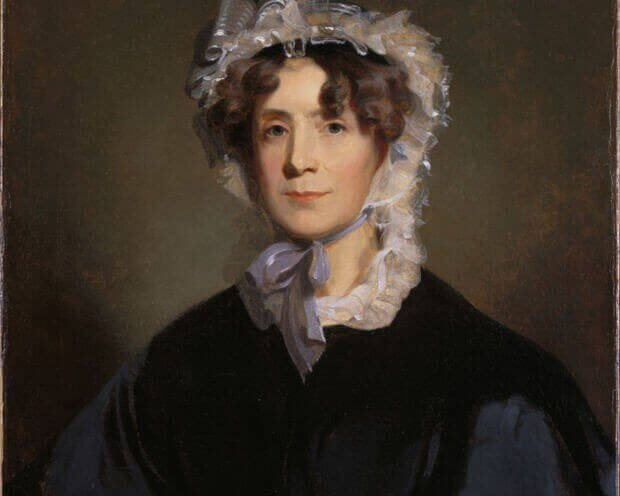
Her tenure ended with her being recognized as one of the most influential women in early American history, despite never holding an official title.