Maya Angelou’s "First Time" Rule: "When Someone Shows You Who They Are, Believe Them the First Time"
Maya famously taught us that when people show you who they are the first time, believe them. It’s a masterclass in emotional intelligence that saves years of heartache. We often try to make excuses for others, hoping their bad behavior was just a fluke or a bad day. However, Angelou’s wisdom suggests that a person’s initial reaction or treatment of you is the most honest representation of their character.

By accepting this reality early on, you protect your peace and avoid the common trap of trying to fix or change someone who isn't ready.
Jane Austen’s Art of Selective Indifference: You Need Not Care About the Opinions of Those You Don't Respect
Austen’s heroines often navigated high-stakes social circles with a keen sense of irony. Her unspoken lesson is the power of selective indifference. You don't have to attend every "argument" you're invited to, nor do you need to care about the opinions of those you don't respect. Austen teaches us that a well-placed, polite smile and a quiet redirection of conversation are far more effective than an outburst. It’s about preserving your dignity and energy.
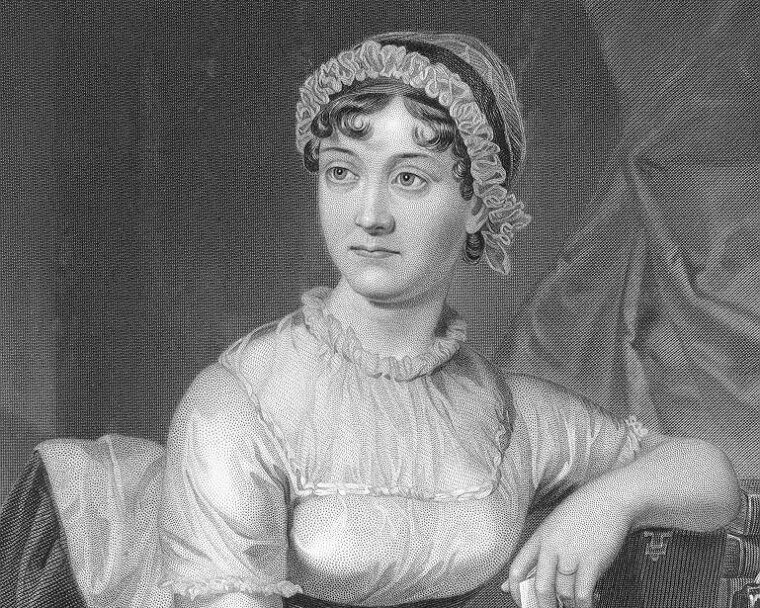
By choosing what—and who—is worthy of your concern, you maintain an enviable sense of poise and internal calm.
Edith Wharton’s Decorative Refinement: Your Environment Deeply Affects Your Mood
Wharton was as much an expert on interior design as she was on the human heart. Her life lesson centers on the idea that your environment deeply affects your mood. She believed that beauty in the home wasn't about wealth, but about order, light, and intentionality. The "hack" here is to treat your living space as a sanctuary. Clearing clutter and adding small touches of beauty—like fresh flowers or a well-placed lamp—can significantly lower stress levels.
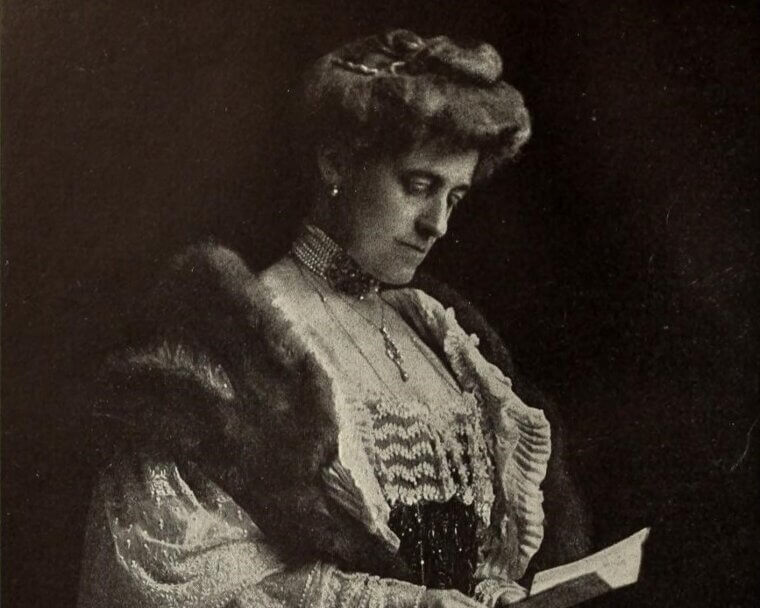
Creating a refined atmosphere is an act of self-care that honors your daily life and provides a sense of grace.
Langston Hughes’s "Hold Fast to Dreams": Life Without Dreams Is Like a Broken-Winged Bird That Cannot Fly - No Matter Your Age
Hughes reminded us that life without dreams is like a broken-winged bird that cannot fly. This isn't just for the young; it is perhaps even more vital for those in their 60s and 70s. His lesson is to never stop incubating a "dream," whether that is learning a new language, writing a memoir, or planning a dream garden. Having a forward-looking goal keeps the spirit buoyant. It provides a reason to wake up with enthusiasm.
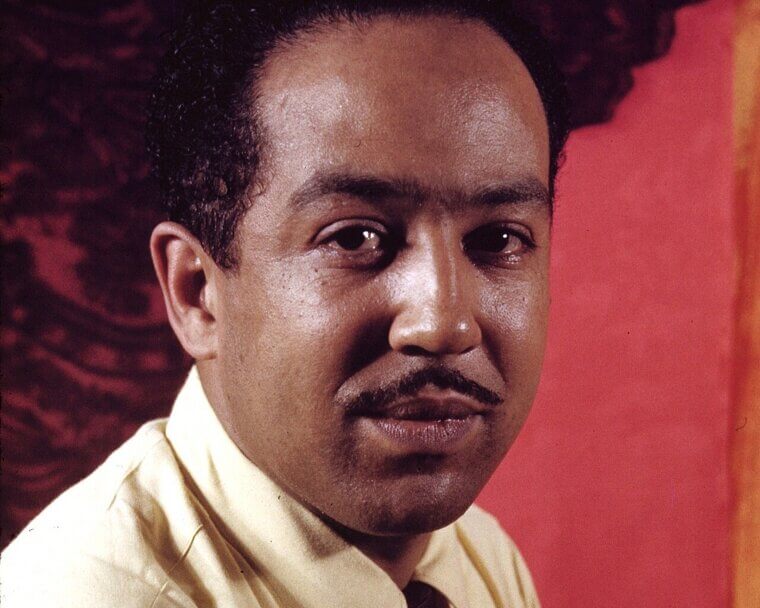
By holding fast to your personal aspirations, you ensure that your identity remains vibrant and evolving, rather than fixed in the past.
Louisa May Alcott’s "Labor Is Beautiful" Ethos: All Honest Labor, Regardless of What It Entails, Is Noble and Dignifying
The author of Little Women advocated for the dignity of work, regardless of its scale. She believed that staying busy with purposeful tasks—whether writing a novel or tending a garden—kept the spirit youthful and the mind sharp. In a world that often pushes for early retirement or total leisure, Alcott’s "life hack" is to find "beautiful labor." This doesn't mean overworking; it means engaging in activities that provide a sense of accomplishment.
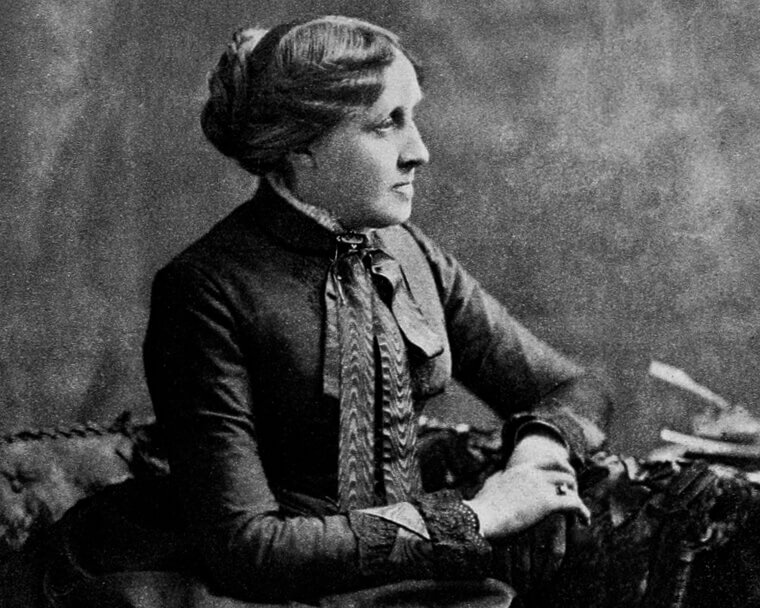
Finding value in your daily chores or hobbies provides a structured sense of joy and prevents the stagnation that often leads to loneliness.
Robert Frost’s "The Road Not Taken" Perspective: Embrace the Narrative of Your Life and Your Choices With Pride
Frost’s most famous poem is often misinterpreted, but its deeper lesson is about the power of the choices we make and how we narrate them. He suggests that we often look back and claim our path was the "less traveled" one to give our lives meaning. The hack here is to embrace the "narrative" of your life with pride. Whatever path you chose, own it completely.
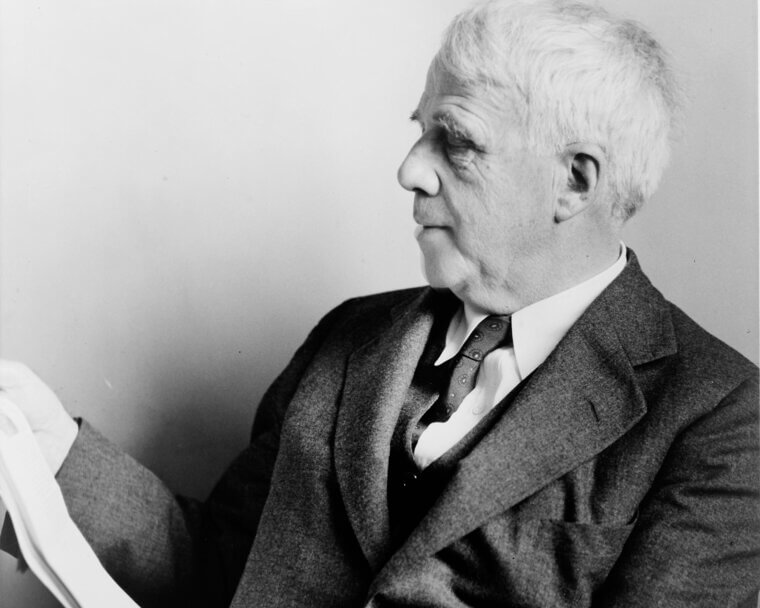
Instead of dwelling on "what ifs," find the value in the specific road you took. This shift in perspective turns regret into a purposeful story of a life uniquely lived.
George Eliot’s "Never Too Late" Wisdom: "It Is Never Too Late to Be What You Might Have Been"
Mary Ann Evans, known as George Eliot, famously wrote, "It is never too late to be what you might have been." This is arguably the most encouraging "life hack" for anyone over 50. Whether you want to start a business, pick up a paintbrush, or finally learn to dance, Eliot’s philosophy removes the expiration date on personal growth. She reminds us that the passage of time doesn't diminish our potential for transformation.
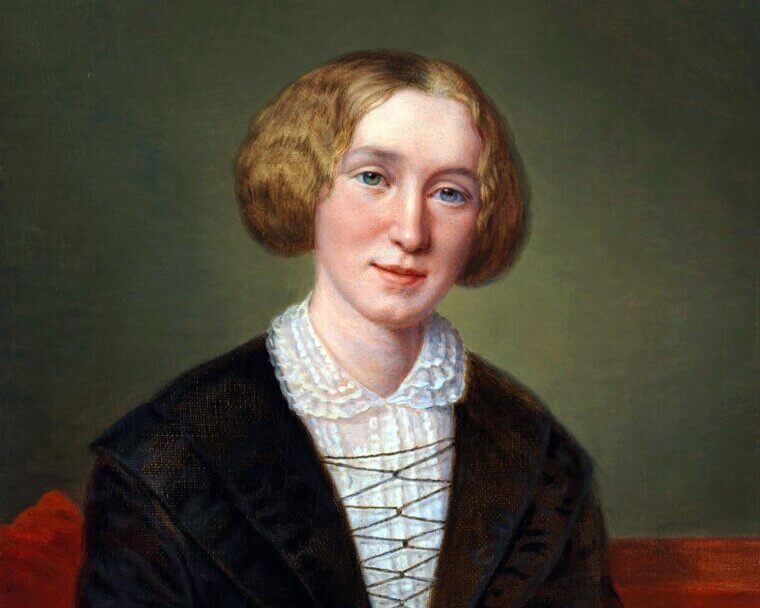
Embracing this mindset keeps you engaged with the world and prevents the feeling that your best years are behind you.
Victor Hugo’s "Laughter Is the Sun": Laughter Is the Sun That Drives Winter From the Human Face
Hugo believed that laughter is the sun that drives winter from the human face. As we navigate the physical challenges of aging, a sense of humor becomes a vital survival skill. Hugo’s lesson is to actively seek out joy and absurdity. Whether it’s watching a classic comedy or sharing a joke with a friend, laughter releases tension and provides a temporary reprieve from life’s heavy lifting. It is a "hack" for longevity.
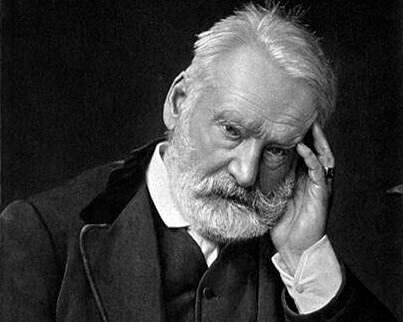
A person who can laugh at themselves and the world stays mentally resilient and socially connected through the toughest of times.
Emily Dickinson’s "Dwelling in Possibility": Don't Fear the Future; Look for the Options in Every Situation
Dickinson lived a quiet life, yet her mind was expansive. She wrote about "dwelling in possibility," which is a beautiful way to approach the unknown. Instead of fearing the future or the changes that come with age, Dickinson’s lesson is to look for the "options" in every situation. If you can no longer hike, perhaps you can master birdwatching. If a friend moves away, there is the possibility of a new digital connection.
This mindset shifts your focus from what is lost to what might be gained, keeping your world filled with hope and potential.
F. Scott Fitzgerald’s "Fresh Start" Belief: You Can Constantly Reinvent Yourself, No Matter Your Age
Fitzgerald once wrote that there are no second acts in American lives, but he also believed in the "orgastic future" that year by year recedes before us. A better takeaway from his work is the idea that we can constantly reinvent our "glamour." His "hack" for aging is to maintain a sense of style and occasion. Even if it’s just dressing up for a simple lunch, the act of "presenting" yourself to the world with care boosts your confidence.

It’s a lesson in maintaining your sparkle and refusing to fade into the background of life.
Henry David Thoreau’s "Simplify, Simplify": Ask Yourself "Is This Necessary for My Soul? "
Thoreau’s experiment at Walden Pond was a masterclass in essentialism. His lesson for the modern world is to ruthlessly declutter—not just your closets, but your calendar and your mind. As we get older, we often carry the weight of decades of "stuff" and social obligations that no longer serve us. Thoreau’s "hack" is to ask, "Is this necessary for my soul?" By letting go of the superficial, you create space for deep thought and genuine peace.
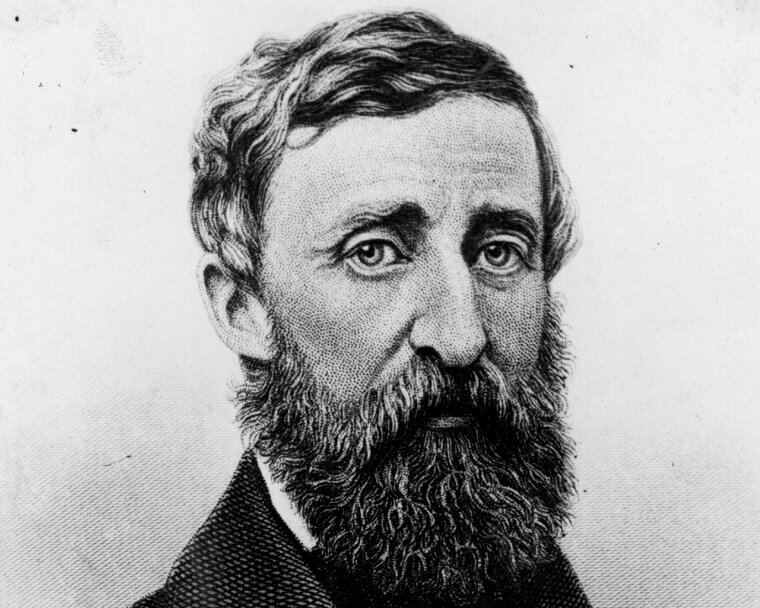
Simplifying your life allows you to focus on the few things that truly bring you contentment.
Marcel Proust: The "True Voyage" of Discovery Consists Not in Seeking New Landscapes, but in Having New Eyes
Proust famously noted that the real voyage of discovery consists not in seeking new landscapes, but in having new eyes. This is a brilliant tip for anyone who feels stuck in a routine. You don't need a plane ticket to find wonder; you just need to change how you look at your neighborhood or your daily cup of tea. This advice encourages us to pay intense attention to the sensory details of your life.
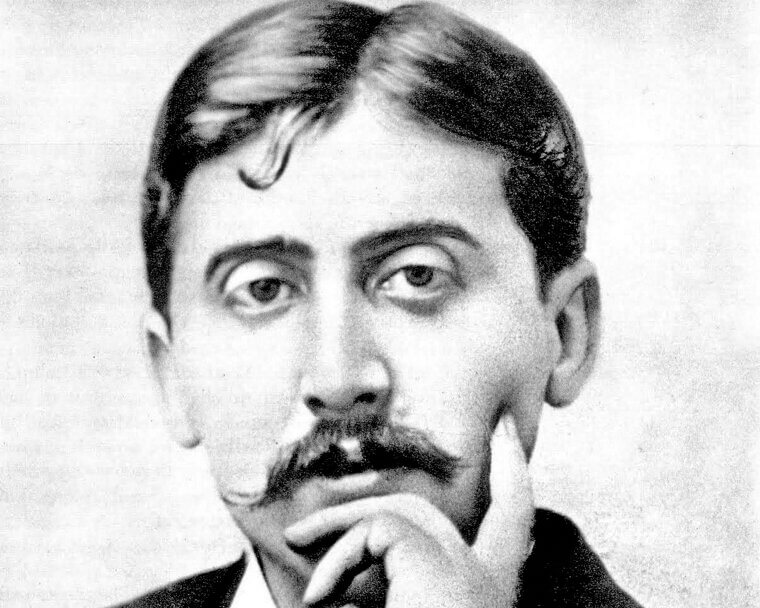
Like the smell of rain and the texture of a fabric, in turn transforming ordinary moments into extraordinary experiences. It’s a "hack" for making every day feel significant.
Doris Lessing’s "Small Personal Voice": Trust Yourself Even if Your Thoughts Contradict "popular" Opinion
Lessing believed in the power of the individual voice against the noise of the masses. Her lesson is to trust your own observations about the world, even if they contradict the "popular" opinion of the moment. In an age of 24-hour news and social media trends, Lessing’s "hack" is to keep a journal. Writing down your private thoughts helps you distinguish your true feelings from the "noise" of the world.

This practice builds mental clarity and ensures that you remain the captain of your own thoughts, which is essential for maintaining a sharp, independent mind.
Leo Tolstoy’s "Goodness Is Enough": True Greatness Is Found in Small Acts of Kindness
In his later years, Tolstoy moved away from grand epic stories toward a focus on simple morality. His lesson is that true greatness is found in small acts of kindness. You don't need to change the world to have a meaningful life; you just need to be useful to the person standing in front of you. This "hack" for happiness is to look for one small way to be helpful every day.
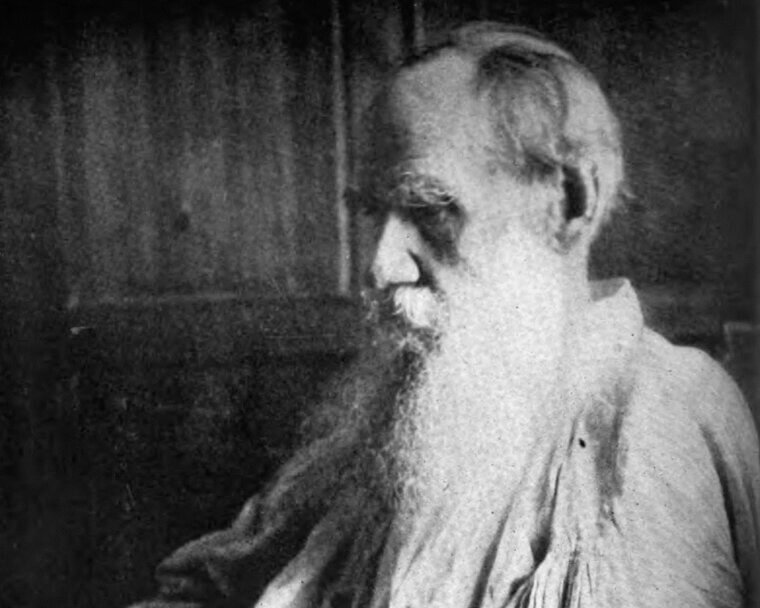
Whether it's a kind word to a cashier or helping a neighbor, these small deposits of goodness create a wealthy and satisfying emotional life.
E. M. Forster’s "Only Connect": The Bridge Between People Is the Most Important Thing in Life
Forster’s famous phrase "Only connect!" is the ultimate social life hack. He believed that the bridge between people—regardless of class, age, or background—was the most important thing in life. The lesson is to prioritize relationships over being "right" or being "proper." In family disputes, Forster would advise you to look for the point of connection rather than the point of contention.

By focusing on shared humanity and shared goals, you can navigate even the most difficult social situations with warmth and successfully maintain the bonds that matter most.
Anton Chekhov’s "Don’t Tell Me, Show Me"
Chekhov’s advice to writers—"Don't tell me the moon is shining; show me the glint of light on broken glass"—is a great lesson for communication. Instead of telling people you love them or that you’re a good friend, "show" them through your actions. The "hack" for building trust is consistency. Small, reliable actions speak much louder than grand declarations.
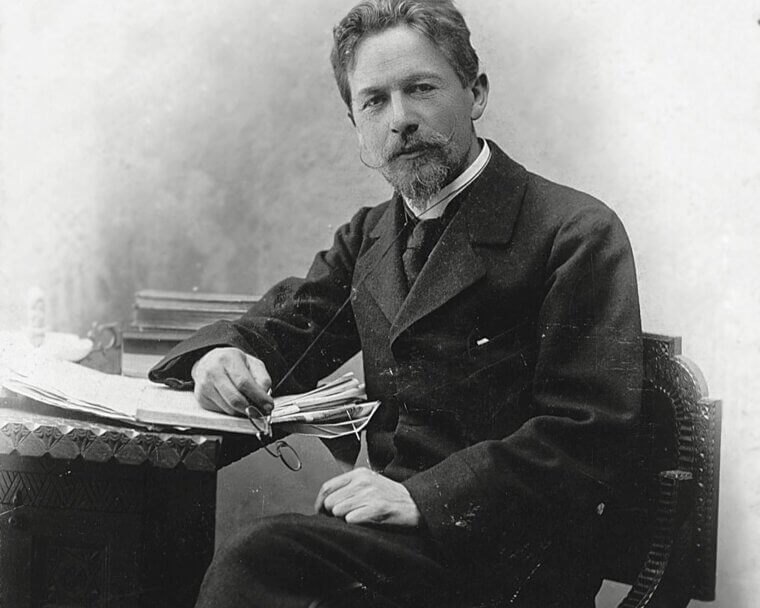
By being the person who consistently shows up or sends the thoughtful card, you build a reputation for reliability and depth that words alone could never establish, strengthening your social standing and your self-respect.
Virginia Woolf’s "Room of One’s Own": A Woman Must Have Money and a Space of Her Own to Create
Woolf’s famous essay argued that a woman must have money and a room of her own to create. In a modern context, this is a lesson about the necessity of physical and mental space. Even if you share a home with a partner or family, having a dedicated corner—a desk, a reading chair, or a garden shed—that is yours alone is crucial for mental health. It’s a place where you aren't a wife, mother, or grandmother, but simply yourself.
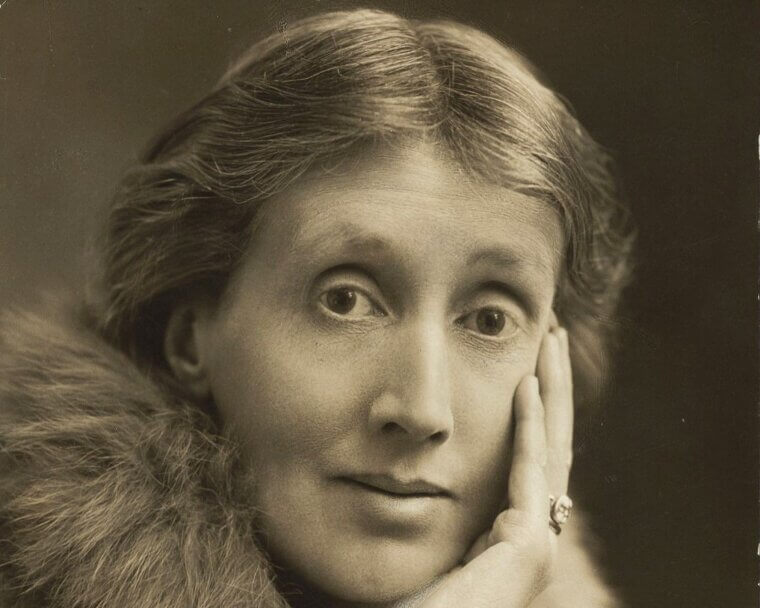
This "hack" for privacy allows for the reflection and quietude necessary to maintain your individual identity.
Colette’s "Look for the Joy"
The French author Colette lived a life of sensory delight. Her lesson is to never become "jaded." She encouraged looking at everything—a piece of fruit, a sleeping cat, a new flower—with "new eyes." The "hack" is to indulge in your senses. Don't just eat dinner; savor the flavors. Don't just walk; feel the air on your skin. By actively seeking out "pleasure" in the mundane, you ensure that life remains an adventure.

Colette reminds us that vitality isn't about age; it’s about your capacity to be delighted by the world around you.
James Joyce’s "Small Details": Life Isn't Lived in the "big" Chapters, but in the Sentences in Between
Joyce’s work often focused on the "epiphanies" found in very small, seemingly insignificant moments. His lesson is that life isn't lived in the "big" chapters, but in the sentences in between. The "hack" for a meaningful life is to pay attention to the "small stuff." The way the light hits your kitchen floor or the specific sound of a loved one’s laugh are the things that actually make up a life.
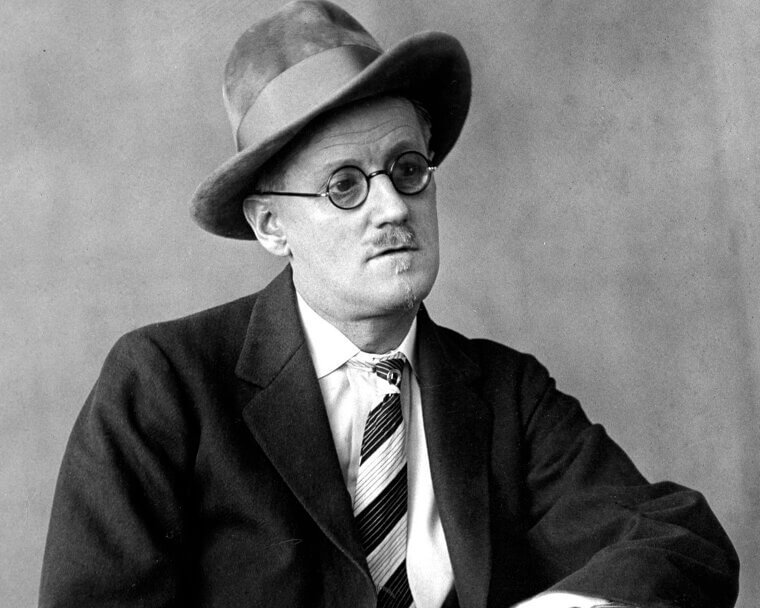
By documenting or simply noticing these small details, you build a "memory bank" of beauty that provides comfort and joy throughout the years.
Zora Neale Hurston’s Self-Possession: "I Have the Nerve to Walk My Own Way, However Hard, in My Search for Reality. "
Hurston once wrote, "I have the nerve to walk my own way, however hard, in my search for reality." Her lesson is one of fierce independence and self-possession. It’s the ultimate "life hack" for navigating family dynamics where you might feel pressured to play a certain role. Hurston encourages us to take up space and own our choices without apology. Being "self-possessed" means you are the primary authority on your own life.

This confidence radiates outward, often improving relationships because people learn to respect the boundaries and the strong sense of self you have established.
James Baldwin’s Courage to Be Seen: One Must Truly See Themselves Before They Can Expect the World to See Them Clearly
James Baldwin believed that one must truly see themselves before they can expect the world to see them clearly. In our middle and later years, we often fall into the trap of invisibility or conforming to societal expectations of how we "should" act. Baldwin’s lesson is a call to radical authenticity. It’s a reminder that your unique perspective and history are your greatest assets.

By standing firmly in your own truth and refusing to hide your complexities, you invite deeper, more meaningful connections with others who respect your genuine self rather than a polished facade.
Mark Twain’s Travel Cure for Prejudice: "Travel Is Fatal to Prejudice, Bigotry, and Narrow-Mindedness"
Twain famously wrote that travel is fatal to prejudice, bigotry, and narrow-mindedness. While we might not all be world travelers, his lesson applies to stepping outside our "comfort zones" in our local communities. Whether it's trying a new cuisine or talking to someone from a different generation, Twain’s hack is to keep your world large. Broadening your horizons keeps your mind flexible and your heart open.
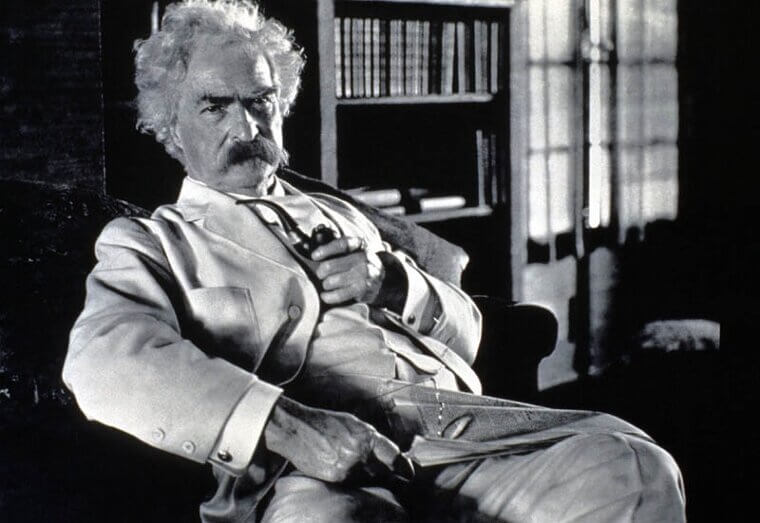
It’s the ultimate antidote to the "grumpy" stereotype, ensuring that your later years are defined by curiosity and a wealth of diverse experiences rather than shrinking circles.
Ralph Waldo Emerson’s Self-Reliance: "to Be Yourself in a World That Is Constantly Trying to Make You Something Else Is the Greatest Accomplishment"
Emerson’s core philosophy was that "to be yourself in a world that is constantly trying to make you something else is the greatest accomplishment." This is a vital lesson for navigating the digital age and the pressures of social media. The hack is to trust your intuition over the "trends" of the day. Whether it's your fashion sense, your political views, or how you choose to spend your Sunday, Emerson encourages you to look inward for validation.
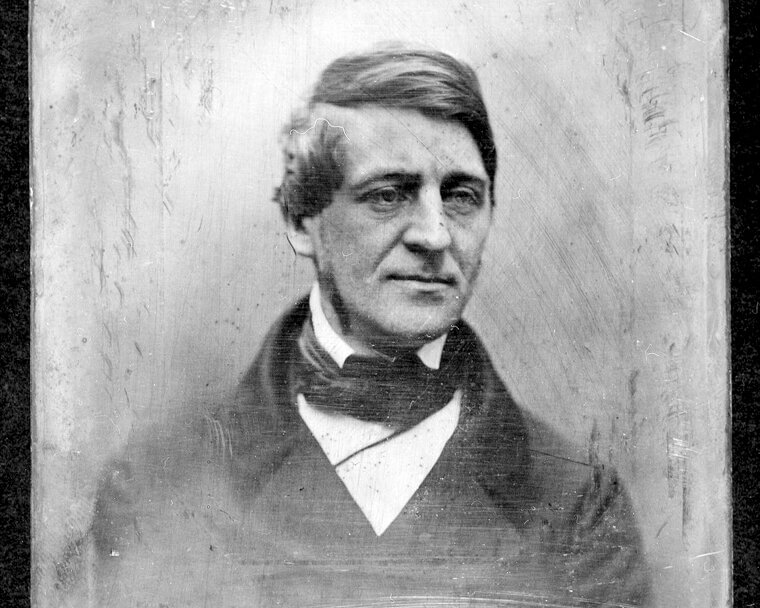
Relying on your own judgment fosters a deep sense of security that external praise can never truly provide.
Nora Ephron’s "Everything Is Copy" Philosophy: Any Life Experience—No Matter How Painful, Personal, or Tragic—Is Material for Writing
The legendary Nora Ephron lived by the mantra that every disaster, heartbreak, or embarrassing moment is simply "copy" for a good story. This perspective is a powerful tool for resilience as we age. Instead of letting a ruined dinner party or a travel mishap dampen your spirits, you learn to view it through the lens of a future anecdote. It gives you a sense of control over your narrative.

When you realize that today’s frustration is tomorrow’s funny story to tell your friends, the sting of life’s little failures begins to fade away.
Oscar Wilde’s "Be Yourself" Quip: "Be Yourself; Everyone Else Is Already Taken"
Wilde allegedly said, "Be yourself; everyone else is already taken." This witty observation serves as a profound lesson in social etiquette. Many of us spend decades trying to fit in or please difficult relatives. Wilde’s "hack" is to lean into your eccentricities. There is a great deal of charm in a person who is unapologetically themselves. When you stop trying to mirror others, you become more magnetic and memorable.
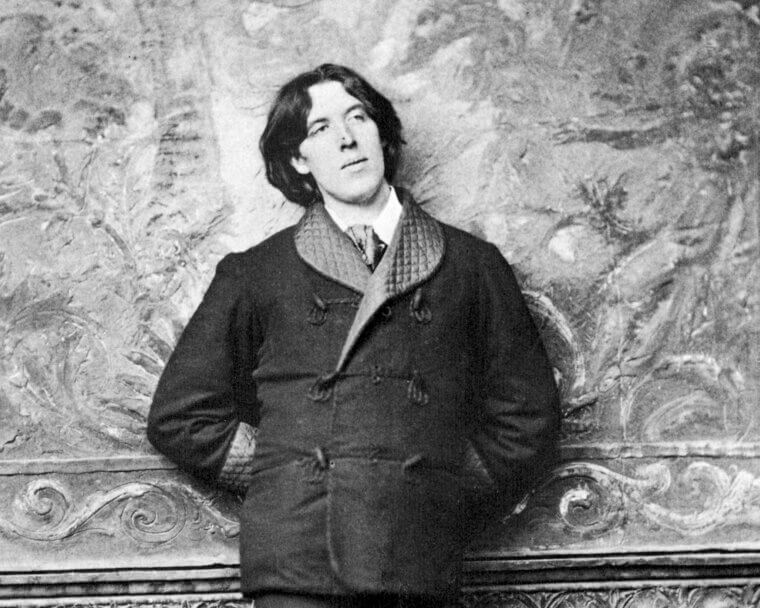
It’s about realizing that your "quirks" are actually your most endearing qualities, providing a shortcut to genuine friendship and social ease.
Harper Lee’s Empathy Exercise: "You Never Really Understand a Person Until You Consider Things From His Point of View"
Through Atticus Finch, Lee taught us that you never really understand a person until you consider things from his point of view—until you climb into his skin and walk around in it. This is the ultimate tool for resolving family conflicts. Before reacting to a difficult adult child or a stubborn sibling, pause and try to inhabit their reality. What are they afraid of? What pressures are they facing?

This simple mental shift can dissolve anger and replace it with compassion, making you the "wise elder" in the family who can bridge divides and heal old wounds.
T. S. Eliot: "The End of All Our Exploring Will Be to Arrive Where We Started and Know the Place for the First Time"
In his Four Quartets, Eliot suggested that the end of all our exploring will be to arrive where we started and know the place for the first time. This is a profound lesson for those revisiting their hometowns or reconnecting with old friends. It’s about the "hack" of perspective. You aren't the same person you were at twenty, so you can see your history with new, kinder eyes. This allows for deep healing and a sense of closure.
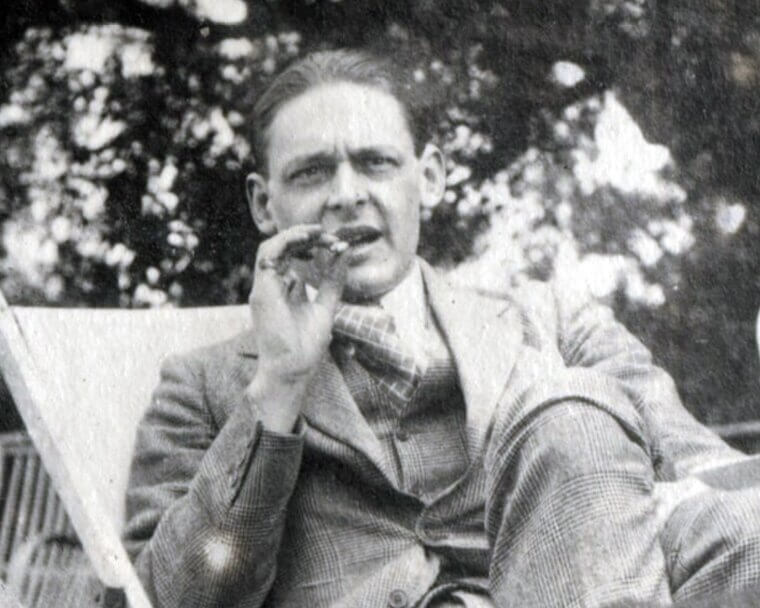
Revisiting your past with your current wisdom helps you integrate your life story into a cohesive, peaceful whole.
William Faulkner: "The Past Is Never Dead. It's Not Even Past"
Faulkner wrote that "The past is never dead. It's not even past." His lesson is that our history informs our present, and we should embrace it rather than run from it. For many, this means engaging in genealogy or storytelling with grandchildren. The "hack" is to use your history as a bridge to the future. By sharing your "origin stories," you provide context and roots for the next generation.
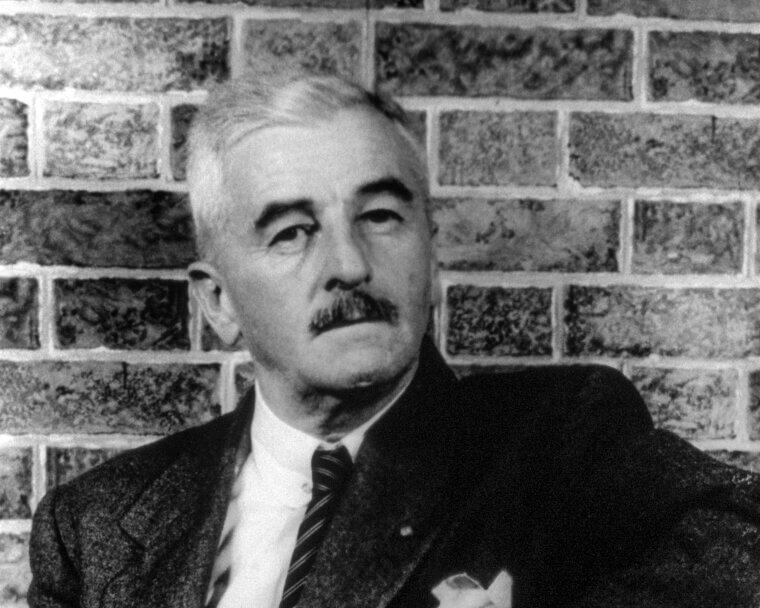
It’s a way of ensuring your experiences live on, while also helping you understand the patterns that have shaped your own life and character.
Charlotte Brontë’s Importance of Maintaining an "inner Fire" of Self-Respect
In Jane Eyre, Brontë emphasizes the importance of maintaining an "inner fire" of self-respect. Jane famously says, "I care for myself. The more solitary, the more friendless, the more unsustained I am, the more I will respect myself." This is a powerful lesson for anyone facing a period of loneliness or transition. Your worth is not dependent on your social circle or your career status. Brontë’s "hack" is to be your own greatest advocate.
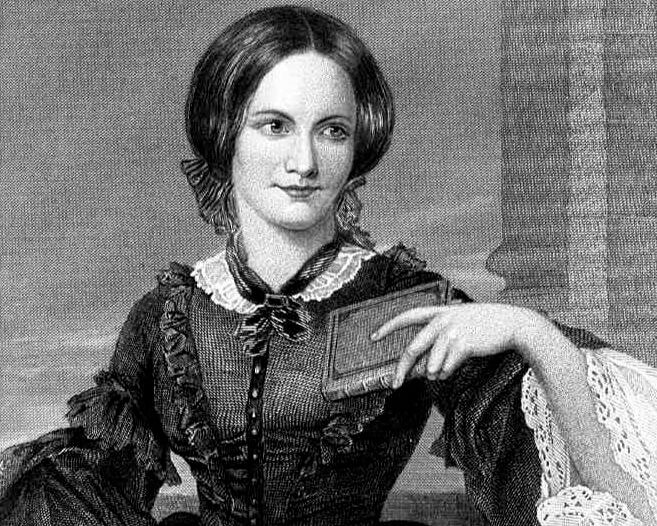
When you carry that internal flame of self-worth, you become invulnerable to the slights and dismissals of the outside world.
C. S. Lewis’s "Never Too Old" for Books
Lewis famously said that a children's story which is enjoyed only by children is a bad children's story. His lesson is to keep your "childlike" wonder alive through literature and play. The "hack" for staying young at heart is to never grow "too old" for things that bring pure, uncomplicated joy—like reading a fantasy novel or playing a board game. It keeps the imagination flexible and allows you to connect with younger generations on their level.
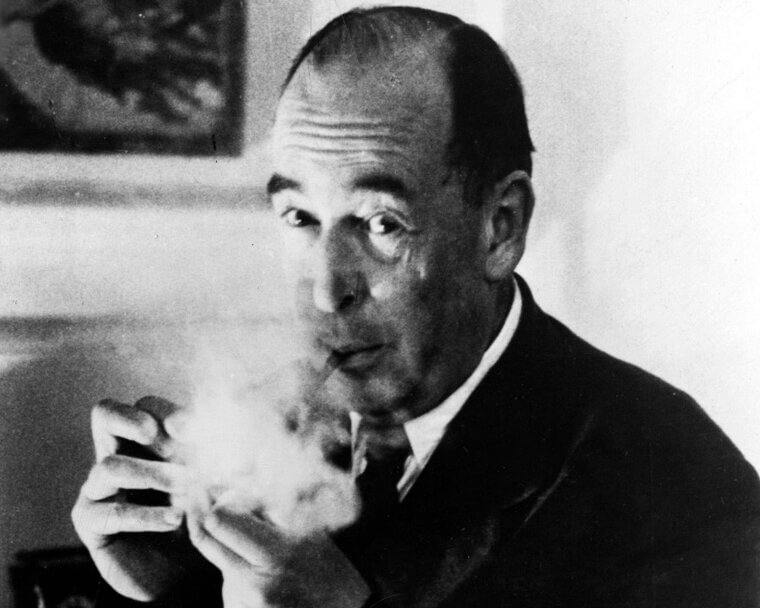
Lewis encourages us to ignore the "serious" rules of adulthood in favor of a heart that remains curious and playful.
Ernest Hemingway’s "Grace Under Pressure"
Hemingway defined courage as "grace under pressure." This is a quintessential lesson in etiquette and character. When things go wrong—whether it’s a health scare or a financial hiccup—the goal is to maintain your composure. This isn't about hiding your feelings, but about choosing how you respond to adversity. Hemingway’s "hack" is to focus on the immediate task at hand.
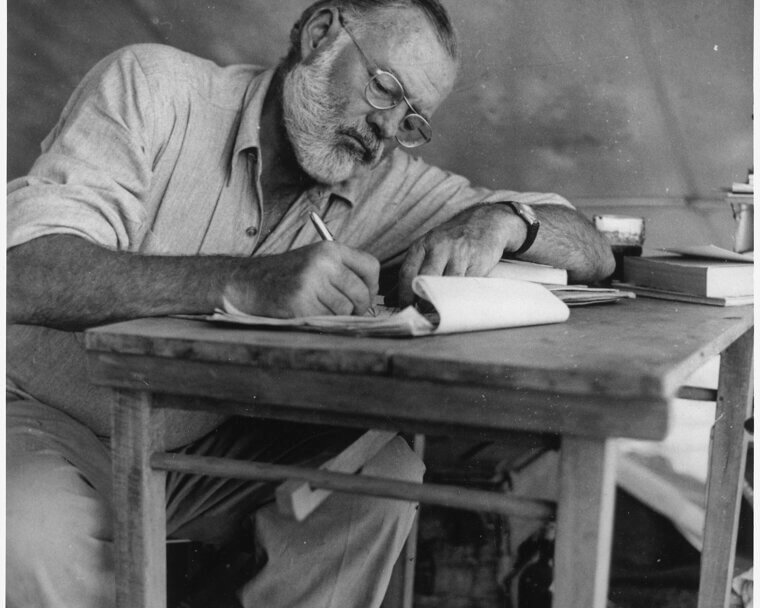
By staying "present" and handling one small thing at a time with dignity, you prevent overwhelm and inspire those around you to stay calm as well.
Willa Cather’s "Connection to the Land"
Cather wrote beautifully about the relationship between humans and their environment. Her lesson is that we are grounded by our connection to the earth. Whether you have a vast farm or a few pots on a balcony, the "hack" for emotional stability is to get your hands in the dirt. Tending to something that grows at its own pace—unaffected by the internet or human drama—is incredibly healing.
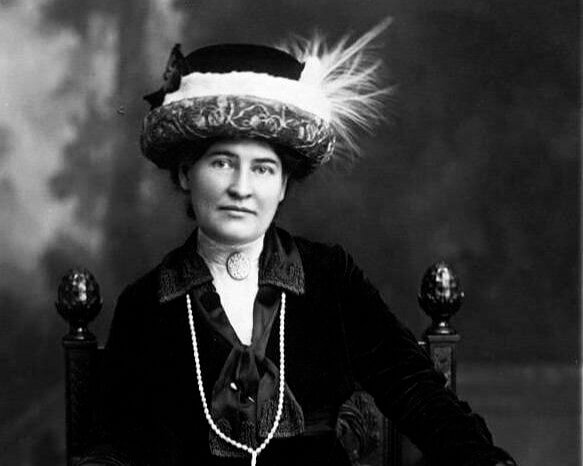
It reminds us of the natural cycles of life, including the necessity of rest and the certainty of renewal, providing a deep sense of perspective.
Margaret Mitchell’s "Tomorrow Is Another Day"
Scarlett O'Hara’s famous closing line in Gone with the Wind is the ultimate lesson in resilience. It’s a "hack" for dealing with a bad day or a perceived failure. The wisdom lies in the "reset button." No matter how poorly today went, it will end, and tomorrow offers a completely fresh start. This perspective prevents us from spiraling into despair.
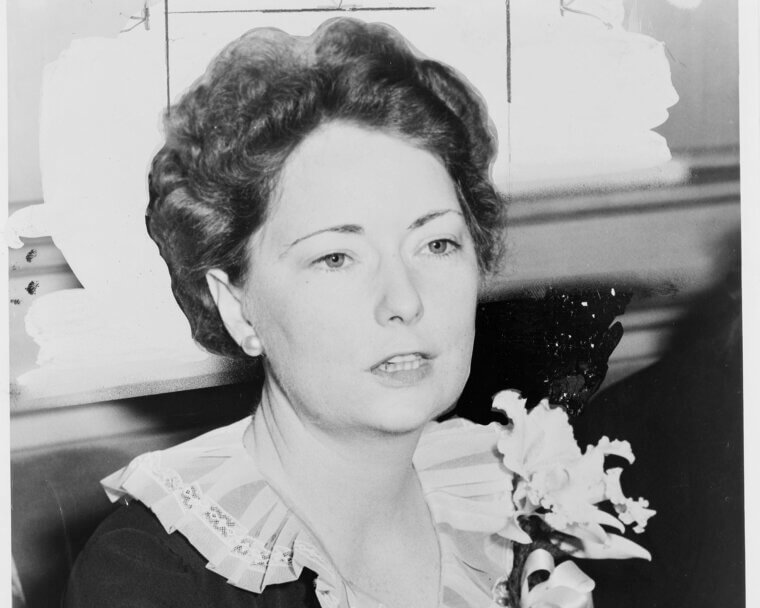
It allows for a good night’s sleep and the mental space to approach a problem with renewed energy the following morning. It’s the simplest and most effective way to handle life’s inevitable setbacks.
G. K. Chesterton’s "Meaning of the Ordinary"
Chesterton believed that the most extraordinary thing in the world is an ordinary man and an ordinary woman and their ordinary children. His lesson is to find the "romance" in the everyday. We often wait for big events—weddings, graduations, trips—to feel happy. Chesterton’s "hack" is to treat the "ordinary" as a miracle.
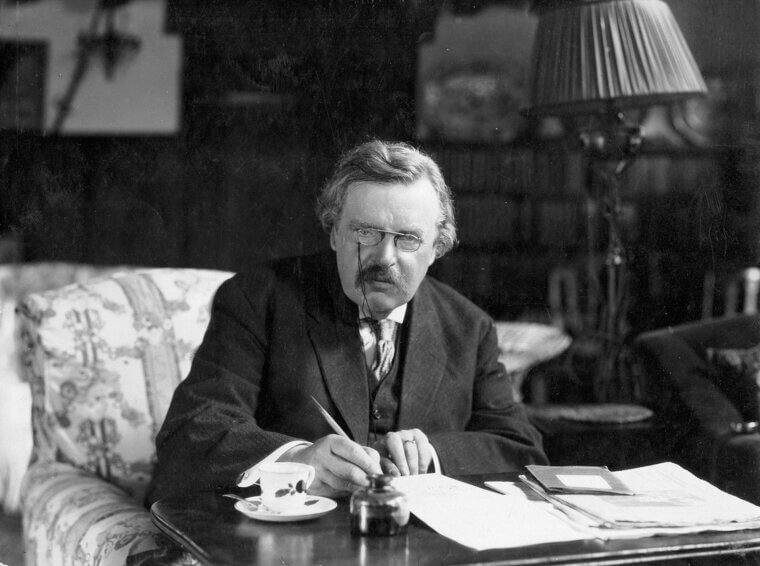
Finding the wonder in your morning routine or a conversation with your spouse turns a "boring" life into a rich tapestry. It’s a shift in gratitude that makes every single day feel like a gift.
Alice Walker’s "The Color Purple" Gratitude
Walker wrote, "I think it pisses God off if you walk by the color purple in a field somewhere and don't notice it." This is a powerful lesson in mindful gratitude. The "hack" is to actively look for things to admire. It’s about being "extravagant" with your appreciation. When you see something beautiful or witness a kind act, acknowledge it out loud. This doesn't just benefit the world; it trains your brain to look for the positive.

It turns you into a "magnet" for good things, as people are naturally drawn to those who notice and celebrate the beauty around them.