The Zildjian Cymbal Co. And the Alchemist’s "Accidental" Golden Alloy
The Zildjian family has been the world’s leading name in percussion since 1623, but the business didn't actually start with music. It began when Avedis Zildjian, an Armenian alchemist in Constantinople, was allegedly attempting to create gold by mixing base metals. Instead of wealth, he reportedly discovered a unique alloy of copper, tin, and silver that produced a sound of incredible clarity. The Sultan was so impressed he gave Avedis the name "Zildjian," meaning "Cymbal Maker."
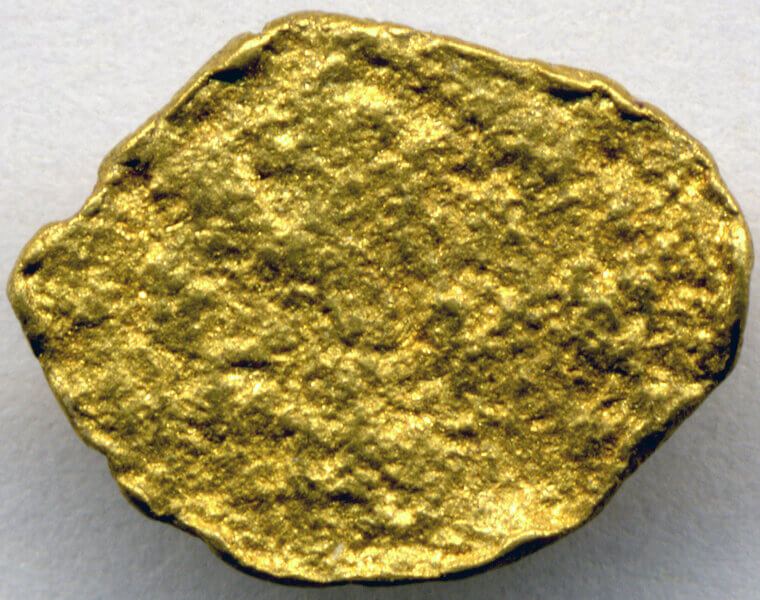
For centuries, the secret formula was only passed down orally to the eldest male heir, a tradition that continued until the family moved the entire operation to America in 1929.
Shirley Plantation and the Hill-Carter Family’s Hidden Civil War Tunnels
Established in 1613, the Shirley Plantation in Virginia is the oldest family-owned business in North America, currently operated by the eleventh generation of the Hill-Carter family. While the farm is known for its beautiful architecture, local legends suggest the property contains hidden tunnels used during the Civil War to hide family heirlooms from approaching troops. The family has managed to keep the estate intact through the Revolutionary War, the Civil War, and the Great Depression.

Their secret to longevity is a deep-rooted sense of stewardship; they view themselves not as owners, but as temporary guardians of a massive American legacy.
Laird & Company and the Secret Applejack Recipe George Washington Begged For
The Laird family began distilling "cyder spirits" in New Jersey in 1698, making them the oldest licensed distillery in the country. Family lore claims that George Washington was such a fan of their applejack that he personally reached out to Robert Laird to request the family's private recipe so he could produce it at Mount Vernon. During Prohibition, the Lairds reportedly survived by pivoting to the production of applesauce and non-alcoholic cider to keep their doors open.
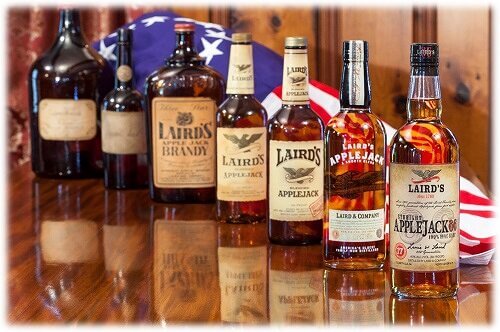
Today, the eighth and ninth generations still run the show, proving that a good drink and a bit of grit can withstand any political climate.
The Seaside Inn: The Mason Family Is the Only 9th-Generation Innkeepers in the USA
Located on the coast of Maine, The Seaside Inn has been welcoming travelers since at least 1660, with the Gooch-Mason family at the helm since 1756. This business began because the local government reportedly required ferrymen to provide lodging for travelers crossing the Kennebunk River. This "rule" essentially birthed an innkeeping dynasty that has lasted nine generations. Interestingly, for the first few centuries, the property was strictly passed to the first-born son.
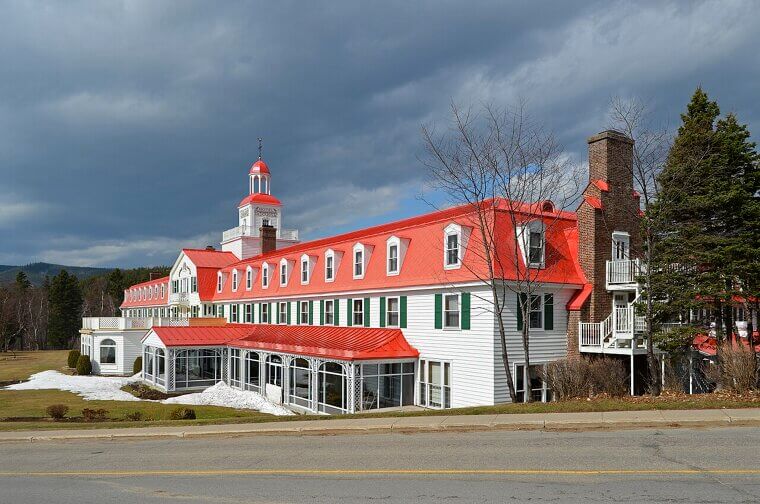
This changed four generations ago when a daughter inherited the business, leading to the first family name change in nearly 200 years. They remain the only ninth-generation innkeepers in America.
Tuttle’s Red Barn and the Eleven-Generation Land Grant Curse
Tuttle’s Red Barn in New Hampshire was famously owned by the Tuttle family from 1632 until 2013, making it one of the longest-running family farms in history. The land was originally a grant from King Charles II, and for eleven generations, the farm was passed directly from father to son. However, rumors circulated for years that the farm was "cursed" to never leave the male line. That cycle finally ended when Will Tuttle, the last of the line, found himself without a successor interested in the grueling dawn-to-dusk labor.
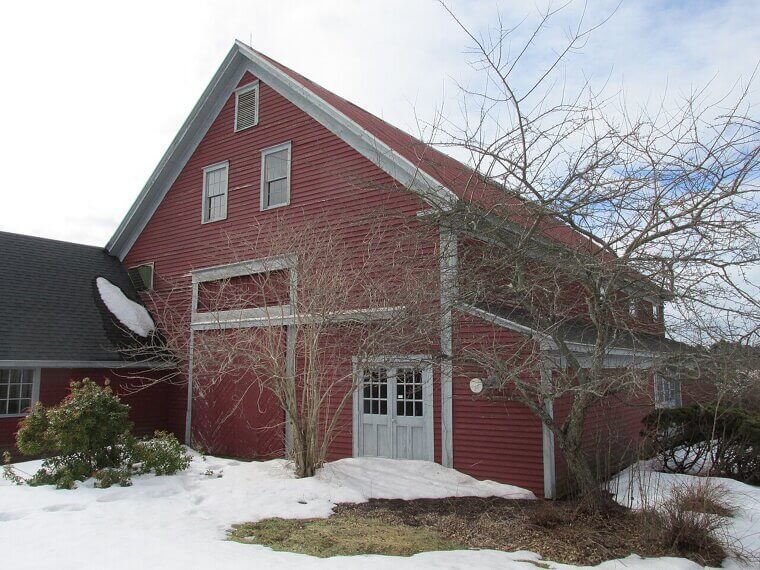
While the land was recently sold, the "Red Barn" remains a legendary symbol of New England’s agricultural endurance.
Barker’s Farm and the Grandfather’s "No-Machine" Philosophy
Barker's Farm in New Hampshire has been a staple of its community since 1917, but its roots feel much older. Willard Barker started the business with a small plot and a pair of workhorses, allegedly refusing to use modern tractors well into the mid-20th century because he believed machines "soured the soil." His grandson, Warren, eventually modernized the operation, but the family still prides themselves on hand-picking much of their produce.

Today, the farm is run by Edie Barker and her daughter, Forrest, who represent a rare female-led agricultural dynasty. Their success is attributed to their refusal to expand beyond what the family can physically manage.
The Amana Furniture Shop and the Communal "Kitchen Secret"
The Amana Colonies in Iowa were founded by a religious group known as the Community of True Inspiration in 1855. For decades, the community operated under a communal system where no one received a salary and everyone ate in large "communal kitchens." The Amana Furniture Shop was born from this tradition of shared labor and German craftsmanship. The communal lifestyle ended in 1932 during the Great Depression.
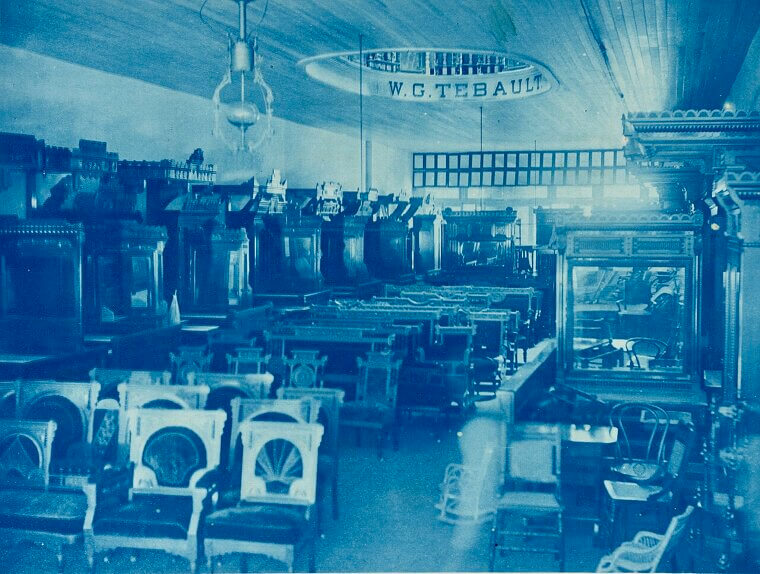
But the family lineages of the original settlers still run the woodworking shops today. They allegedly still use some of the same kiln-drying techniques brought over from Europe nearly two centuries ago.
White’s Ferry and the General’s Name Controversy
Operating since the late 1700s, White’s Ferry was a vital link across the Potomac River between Maryland and Virginia. The business became famous—and a bit controversial—when owner Elijah V. White, a former Confederate officer, named the ferry boat after his commander, General Jubal A. Early. For over 150 years, the ferry was passed through families who maintained the vessel’s name despite various public outcries. A legal dispute over landing rights recently paused operations.
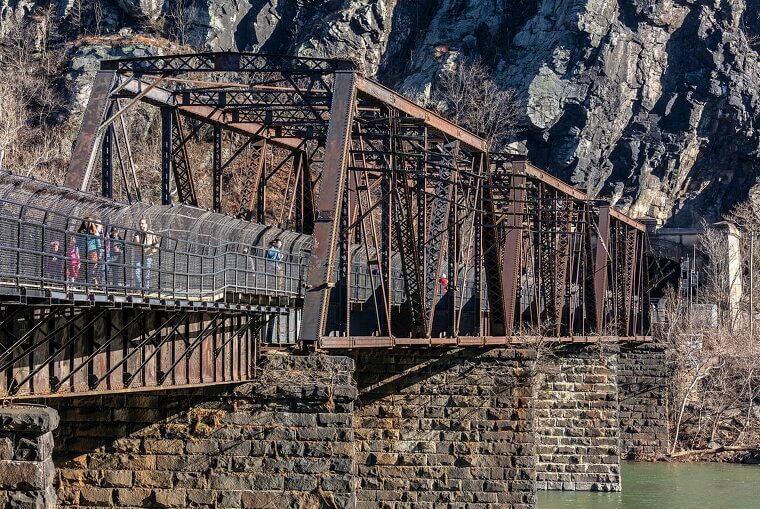
But the "Jubal A. Early" remains a legendary fixture of the Potomac. The family owners have long maintained that the name was about honoring a personal friend rather than politics.
McCrady’s Tavern and the Ghost of the Edward Family
While many historic taverns have changed hands, McCrady’s in Charleston traces its heritage back to 1778 and the McCrady family. Edward McCrady was a Revolutionary War hero who built the tavern into a social hub where George Washington reportedly dined in 1791. Locals have long whispered that the spirit of an early family member still watches over the dining room, ensuring the high standards of hospitality are met. The family business survived the Civil War and multiple hurricanes.
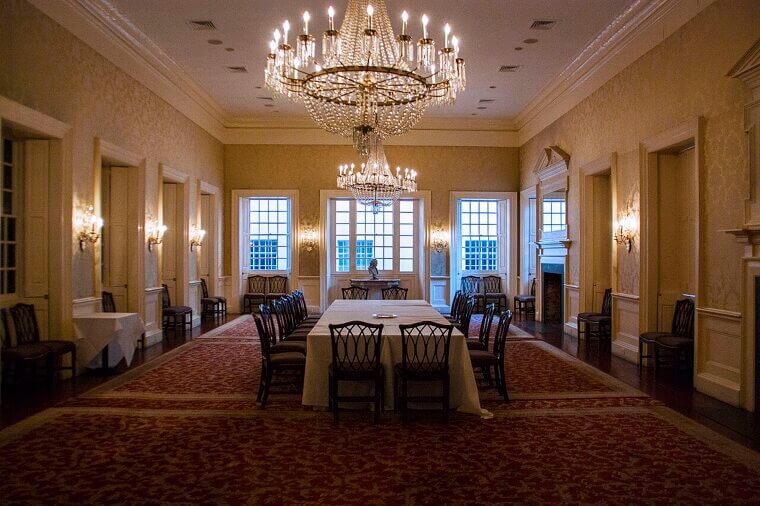
They survived by focusing on high-end craftsmanship in their food and service. Today, it stands as a testament to the South’s complex and enduring culinary history.
The Warwick Valley Dispatch and the Rogers Family’s "No-Digital" Grudge
The Rogers family has owned and operated the Warwick Valley Dispatch in New York since the late 1800s. In an era where local newspapers are disappearing, this family has allegedly fought tooth and nail against digital expansion for years, preferring the tactile reliability of a printing press. Legend has it that the patriarch once famously threw a computer out of a second-story window in the 1980s, claiming it would "kill the soul of the news."

While they have eventually modernized out of necessity, the family still operates out of a historic building where the smell of ink and the clatter of machinery still reign supreme.
The Breitstein Jewelry Dynasty and the Case of the "Disappearing" Diamond
Since 1812, the Breitstein family has managed one of the most prestigious jewelry houses in the Northeast, but their fame isn't just about gold. Family legend tells of a massive, 20-carat yellow diamond that reportedly vanished from their vault during a high-society gala in the 1920s. While the police were called, the patriarch allegedly found the stone tucked inside his own waistcoat pocket weeks later, claiming he had "forgotten" it was there.
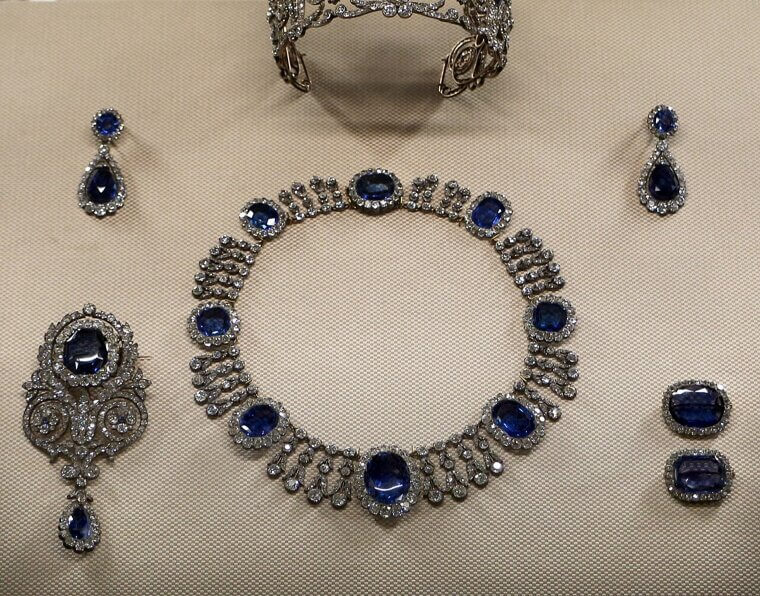
This penchant for eccentric behavior has followed the family for six generations, yet their reputation for meticulous restoration of heirlooms keeps the elite returning decade after decade.
The Knott Barrel Works and the Great Whiskey Barrel "Heist" of 1890
The Knott family has been crafting wooden barrels in Kentucky since the mid-19th century, serving the region's burgeoning bourbon industry. In 1890, a rival cooperage reportedly attempted to steal the family’s proprietary steam-bending technique by sending a spy to work in the shop. The Knotts allegedly caught the intruder and, instead of calling the law, forced him to build barrels for free for an entire year. This fierce protection of their craft remains a core value today.
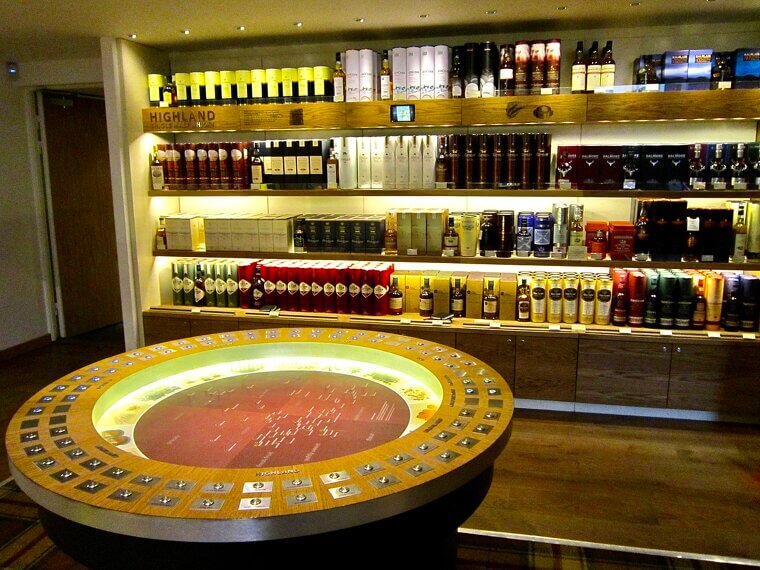
The current fifth-generation owners still use hand-tools passed down from the original founder, refusing to automate their most prestigious custom lines.
The Ducommun Hardware Empire and the California Gold Rush "IOU" Wall
Ducommun Incorporated began as a small hardware store in Los Angeles in 1849, founded by a Swiss immigrant named Charles Ducommun. During the height of the Gold Rush, Charles allegedly allowed miners to buy supplies on credit, creating a massive "IOU" wall in the back of the shop. While many never returned, the ones who struck it rich reportedly repaid him tenfold, allowing the family to transition from a simple shop into an aerospace giant.
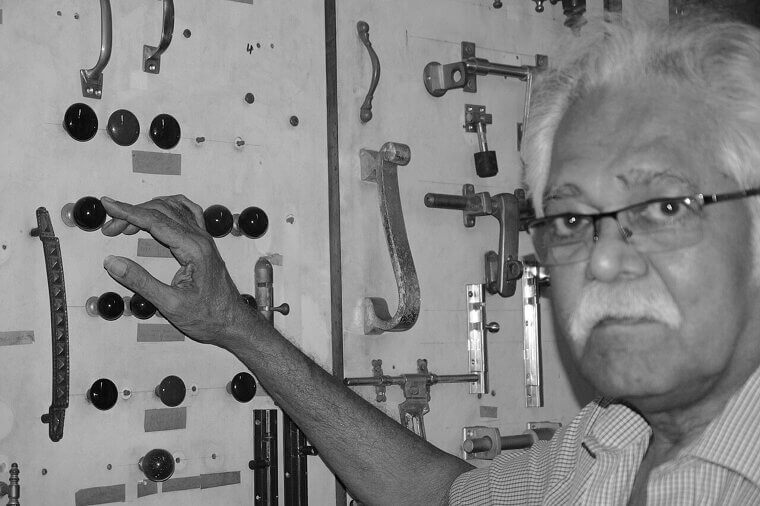
Remarkably, the family still maintains a significant presence in the company, proving that a little bit of frontier trust can build a multi-billion dollar legacy.
The Yuengling Brewery and the "Near Beer" Ice Cream Survival Tactic
D.G. Yuengling & Son is famously America’s oldest brewery, founded in 1829 in Pennsylvania. However, their survival through the 13 years of Prohibition is the stuff of legend. To keep the lights on and their workers employed, the Yuengling family reportedly pivoted to making "near beer" and opened a commercial ice cream dairy right across the street. The ice cream was so popular that it allegedly saved the brewery from bankruptcy.
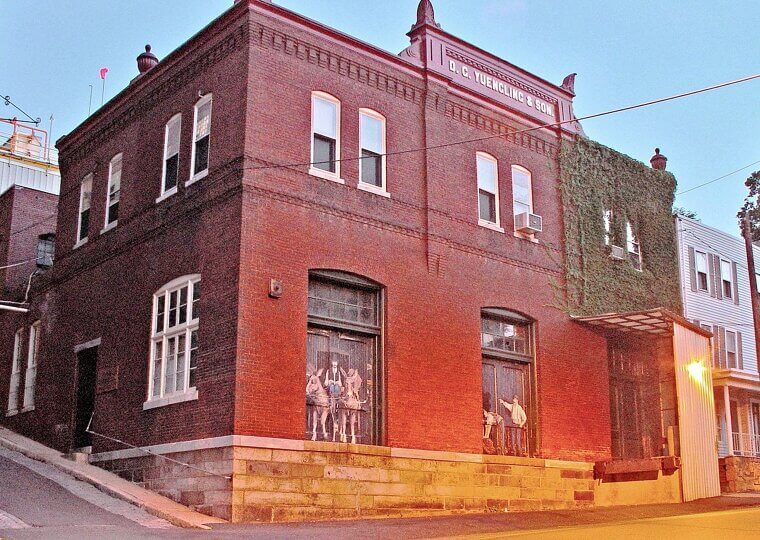
Today, the sixth generation of the Yuengling family—specifically the four daughters of current owner Dick Yuengling—are preparing to take the reins of this iconic American brand.
The Caswell-Massey Apothecary and the President’s Forbidden Cologne
Founded in 1752, Caswell-Massey is the oldest chemists and perfumers in America. The family-run business famously created "Number Six," a scent that George Washington reportedly wore and loved so much that he gave crates of it as gifts. Rumor has it that for years, the family kept a "black book" of celebrity clients whose hygiene habits were allegedly less than stellar. They no longer keep such scandalous records.
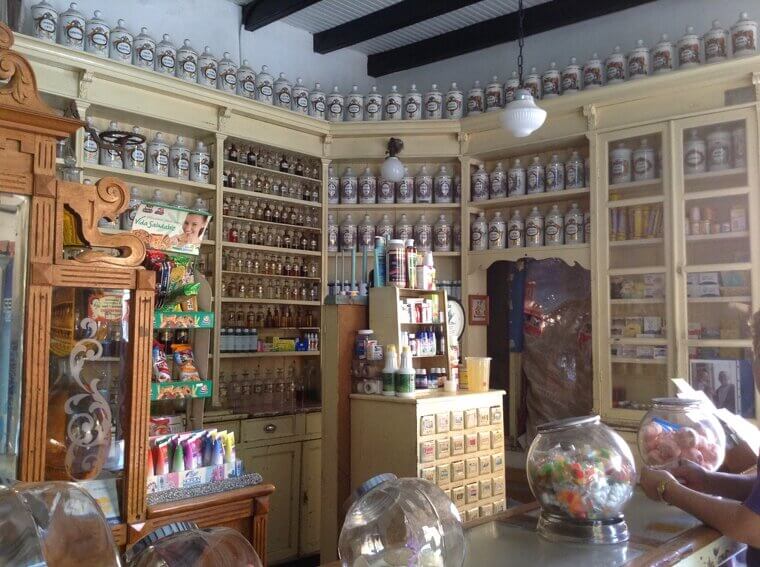
But the family continues to produce the same fragrances using recipes that are over 250 years old. Their secret is a refusal to change a scent once it has been perfected.
The Orvis Fly-Fishing Dynasty and the Secret of the "Unbreakable" Rod
Charles F. Orvis opened his tackle shop in Vermont in 1856, and the business has remained a pinnacle of outdoor tradition ever since. The "weird" side of the family history involves a 19th-century marketing stunt where the founder’s son allegedly jumped off a bridge with a fishing rod to prove it wouldn't snap. While he reportedly survived with only a few bruises, the rod became an instant sensation.
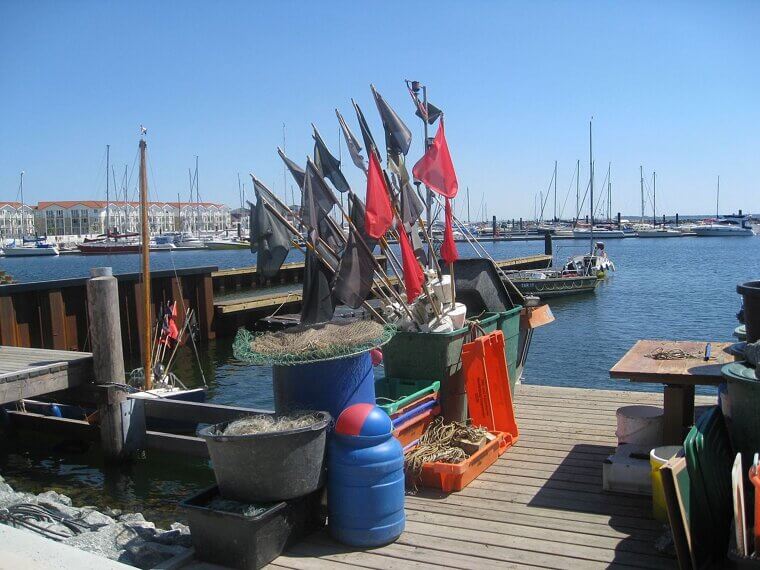
The Perkins family, who took over in the 1960s, has maintained the Orvis family's commitment to conservation. They credit their longevity to treating every customer like a member of their own Sunday fishing club.
The Brooks Brothers Suit and the Lincoln "Assassination Lining" Mystery
While many know Brooks Brothers as a corporate giant, it began as a family business in 1818. They famously tailored the suit Abraham Lincoln was wearing on the night of his assassination. A chilling detail that many historians discuss is the coat’s lining, which was reportedly embroidered with an eagle and the words "One Country, One Destiny." The family allegedly felt such a deep, somber connection to the tragedy that they refused to make a profit on that specific design for decades.
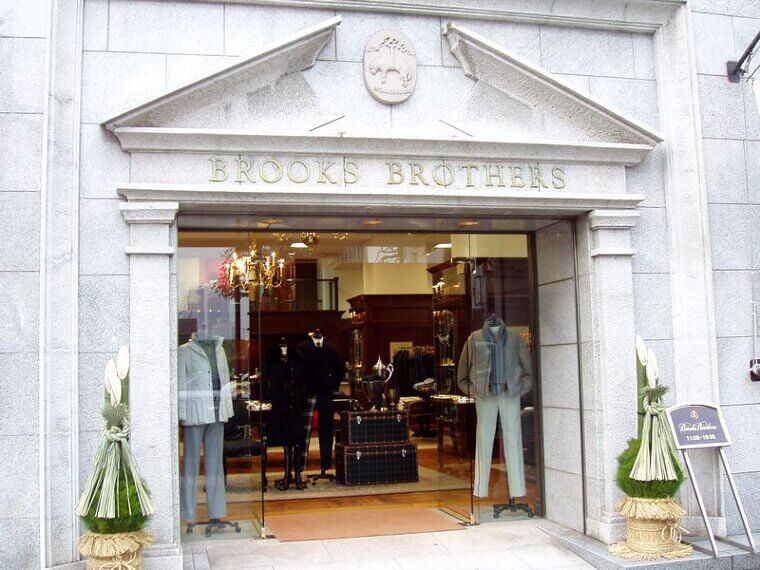
The brand’s survival for over 200 years is attributed to their role as the "unofficial outfitter" of nearly every American president.
The Crane & Co. Paper Mill and the "Money Secret" They Can't Talk About
The Crane family has been making paper in Massachusetts since 1801, but they have a secret that is literally guarded by the government. Since 1879, Crane & Co. has been the sole provider of the paper used for U.S. currency. Because of this, the family-owned mills are reportedly subject to intense security protocols that would make a spy movie jealous. Local rumors suggest that the family has a private vault containing "error" bills that were never supposed to exist.

And these are worth millions to collectors. Their success stems from a specialized mastery of cotton-based paper that no other family has been able to replicate.
The Baker’s Chocolate Factory and the 200-Year-Old "Widow’s Prowl"
Founded in 1765 by Dr. James Baker, this chocolate empire in Massachusetts was a family affair for generations. Legend has it that the ghost of a "widow in black"—reportedly the wife of an early owner—would walk the factory floors at night to ensure the chocolate was being tempered correctly. Workers allegedly left out small bowls of cocoa nibs to appease her. The family business became so synonymous with American baking that their "German’s Sweet Chocolate" became a household staple.
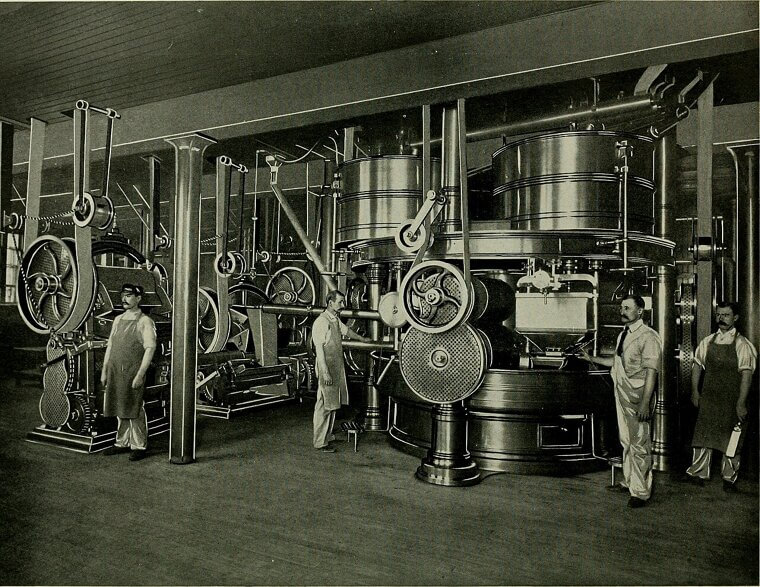
And, surprisingly, "German's Sweet Chocolate" was named after an employee, not the country. Their secret to success was aggressive branding before modern marketing even existed as a concept.
The Steinway & Sons Piano Factory and the "Vibration Room" Ritual
Henry Steinway founded his piano company in 1853, and for over a century, the family oversaw every single instrument that left the New York factory. There is a "weird" tradition in the factory known as the "vibration room," where pianos are reportedly played by mechanical fingers for hours to "settle" the wood. The family allegedly believed that the spirits of great composers would only bless a piano if it was treated with this level of intensity.
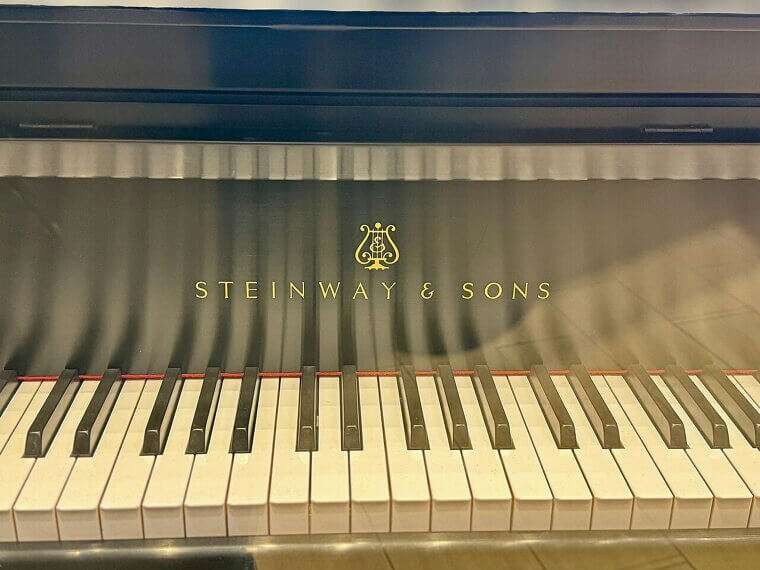
To this day, the craft involves thousands of individual parts, and the family’s insistence on hand-building each unit is why a Steinway remains a generational heirloom.
The Woolrich Woolen Mills and the "Civil War Blanket" Scandal
John Rich founded Woolrich in Pennsylvania in 1830 to provide fabric for the wives of local woodsmen. During the Civil War, the family reportedly had a bit of a "scandal" when they were accused of selling blankets to both the Union and the Confederacy. While the family officially denied the claims, historians suggest they were simply trying to ensure the survival of their mill during a period of total economic chaos.
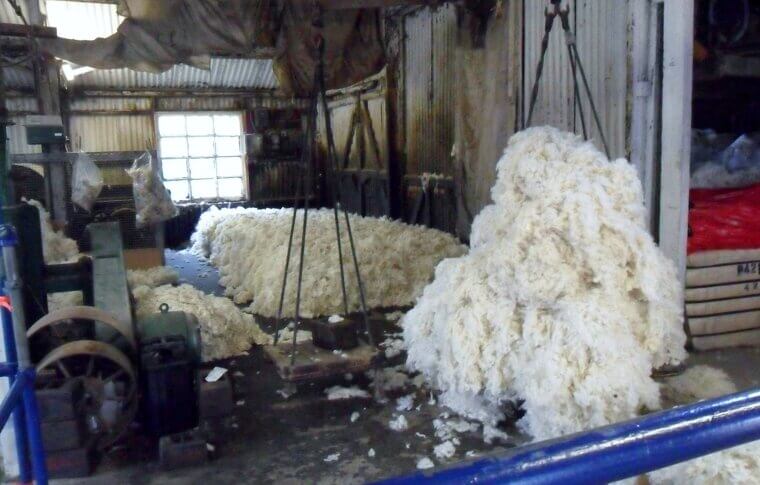
Regardless of the rumors, their "Buffalo Check" shirt has remained unchanged for over 150 years, proving that classic style is the ultimate shield against the passage of time.
The C. O. Bigelow Apothecary and the "Secret Drawer" of Celebrity Rashes
Based in Greenwich Village since 1838, C.O. Bigelow is the oldest surviving apothecary in the United States. The Bigelow and Ginsburg families have run the shop with a focus on personalized care. Legend has it that in the early 20th century, the shop had a "secret drawer" containing handwritten notes about the skin ailments and embarrassing health needs of famous actors and poets. They allegedly never revealed a single name, which earned them the lifelong loyalty of New York’s elite.
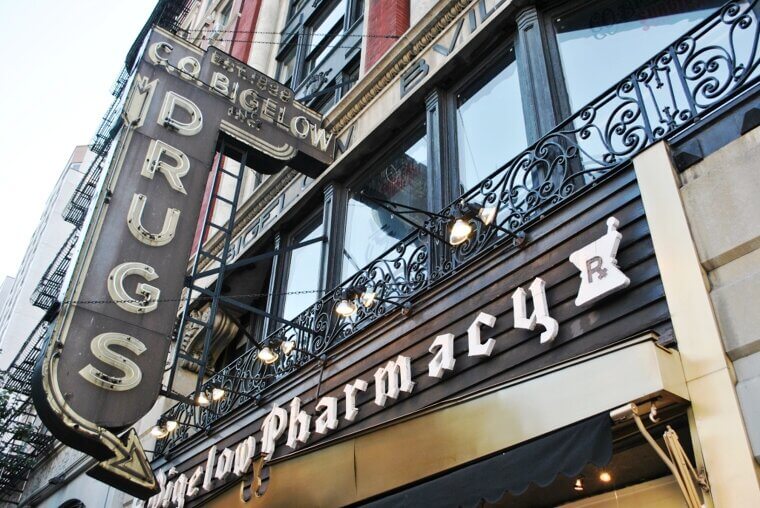
Their secret to success is this "old-school" discretion in an era where everyone else is sharing everything on the internet.
The Hudson’s Bay Company and the "Beaver Hat" Currency Tradition
While now a massive retail group, the Hudson's Bay Company (HBC) is one of the oldest businesses in the world, with deep roots in early American and Canadian trade since 1670. For centuries, the "family" of traders reportedly operated under a system where beaver pelts were the only valid currency. There is a bizarre legend that a certain branch of the family once tried to pay a local tax bill with 5,000 top hats because they had run out of cash.
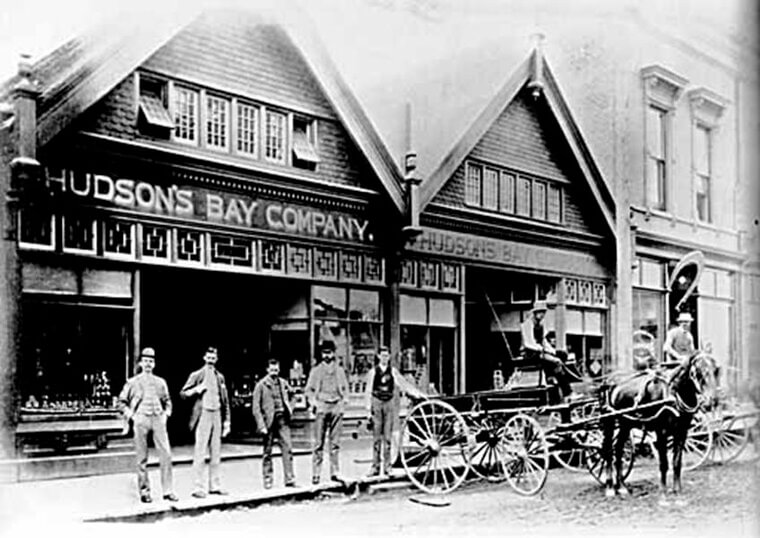
Their longevity is credited to their ability to pivot from fur trapping to department stores without losing their recognizable "point blanket" brand identity.
The King Arthur Flour Company and the Knightly "Oath of Purity"
The Sands family took over the King Arthur Flour company in the 1890s, though the business dates back to 1790. The family was reportedly so obsessed with the "purity" of their flour that they made employees take a literal "oath" to never bleach or chemically alter the product. Rumor has it that one family member was so dedicated to the brand that he requested to be buried with a bag of his favorite all-purpose flour.

Today, as an employee-owned company with deep family ties, they remain the gold standard for American bakers who value tradition over modern industrial shortcuts.
The Tabasco Sauce Empire and the Avery Island "Bird God" Legend
The McIlhenny family has been producing Tabasco sauce on Avery Island, Louisiana, since 1868. The business is famously secretive; the recipe is allegedly kept in a vault that only family members can access. More interestingly, the family patriarch reportedly established a massive bird sanctuary on the island because he believed the local snowy egrets were the "protectors" of the pepper crops. To this day, the peppers are harvested by hand and measured against a "little red stick."

And that ensures perfect ripeness. The family's refusal to leave their ancestral island home is the key to their spicy, 150-year-old success.
The Kohler Plumbing Dynasty and the "Horses in the Bathtub" Testing
The Kohler family in Wisconsin has been a household name since 1873. The business allegedly started when John Michael Kohler took a cast-iron horse trough, added four decorative feet, and covered it in enamel to create his first bathtub. Legend has it that he actually led a horse into the tub to prove it was strong enough for a human family. This eccentric testing method reportedly became a family tradition for new product lines.
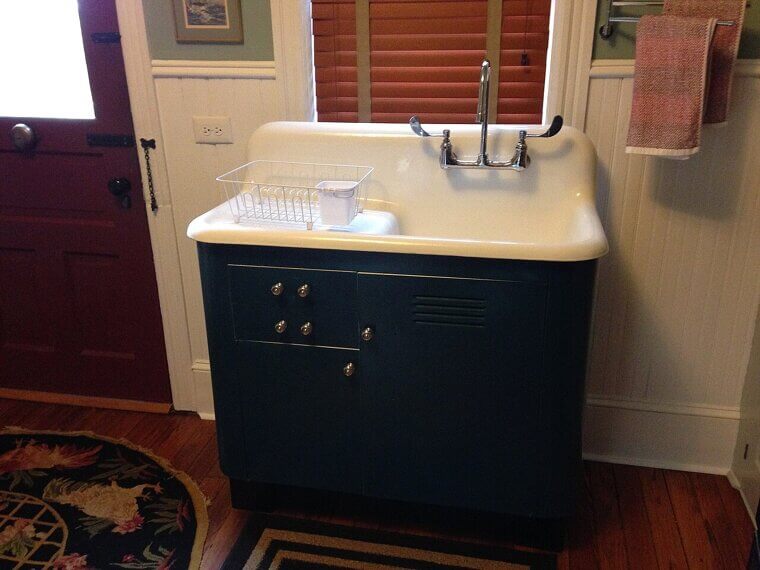
Today, the family continues to run the massive company, maintaining a quirky corporate culture that values artistic design as much as it values high-end, functional engineering.
The Studebaker Family and the "Ghost Wagon" of the Great Plains
Before they made cars, the Studebakers were the premier makers of Conestoga wagons starting in 1852. Family lore suggests that one particular "ghost wagon" was sold to a pioneer family and reportedly kept finding its way back to the Studebaker shop in South Bend, Indiana, no matter how many hundreds of miles away it was taken. The family eventually moved into the automotive industry and faced financial ruin in the 1960s.

But the original family-run parts businesses and museums still keep the name alive. Their secret was their early transition from woodcraft to the revolutionary world of steel and engines.
The Martin Guitar Company and the "Hearth-Smoked" Wood Secret
Christian Frederick Martin founded C.F. Martin & Co. in 1833, and the Martin family still runs the Pennsylvania factory today. A persistent family rumor claims that the secret to the "Martin sound" was an old technique where the wood was reportedly stored near the family’s kitchen hearth to be "smoked" by the cooking fires. While modern acoustics might disagree, the family takes their wood sourcing incredibly seriously, often keeping stocks of mahogany and rosewood for decades before using them.
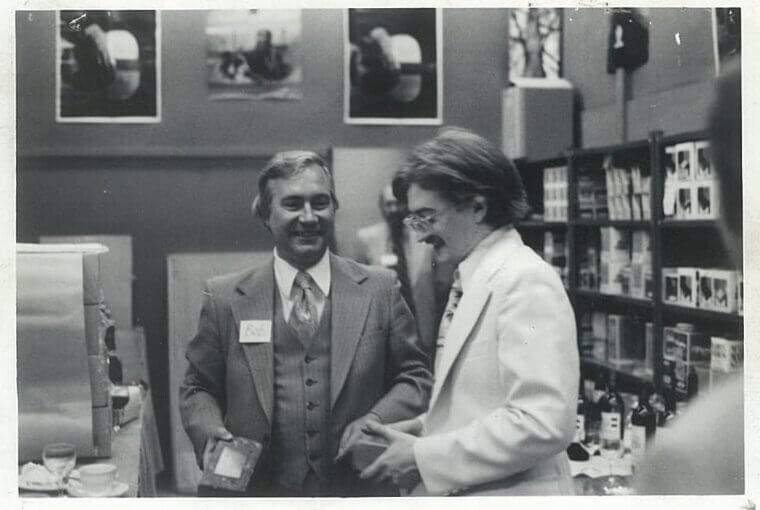
Their secret to success is a refusal to compromise on quality, even when cheaper materials became the industry standard for their competitors.
The Gorton’s of Gloucester and the "Man at the Wheel" Identity Crisis
Gorton’s has been a family-founded staple of the fishing industry in Massachusetts since 1849. The famous "Man at the Wheel" logo was reportedly based on a real family member who was known for his rugged beard and refusal to wear a raincoat during storms. Legend has it that several different branches of the family fought for years over which ancestor actually inspired the iconic image.
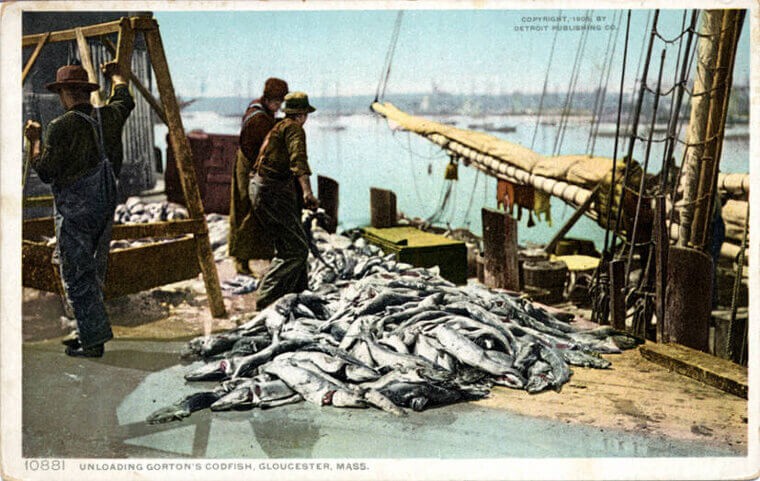
Despite these "juicy" internal debates, the business survived the transition from fresh fish to frozen foods by leaning heavily into the public’s trust of a weathered, reliable fisherman who knows the sea.
The Milton Hershey Legacy and the "Chocolate Orphanage" Clause
While the Hershey Company is now a global giant, it began as Milton Hershey’s family dream in 1894. Because Milton and his wife, Catherine, couldn't have children, they famously left their entire fortune and the controlling interest of the company to a school for orphaned boys. This "weird" and wonderful arrangement means that a trust for children technically owns a massive chunk of the company.
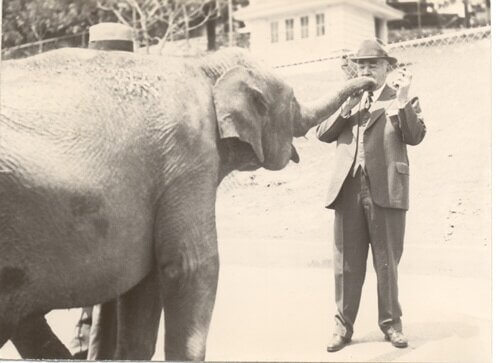
Local rumors suggest that Milton’s ghost still wanders the halls of the school to check on "his" children. The company’s success is built on this unique foundation of social responsibility and the world’s love for affordable sweets.
The Pfister Hotel and the "Haunted Pitchers" of the Brewers' Rivalry
The Pfister family opened their iconic Milwaukee hotel in 1893, and it remains a hub of luxury. However, it is famously known as the most haunted hotel in Major League Baseball. Visiting players reportedly claim that "Grandpa Pfister" moves their luggage or messes with the water pitchers in their rooms to distract them before games against the local team. The family and subsequent owners have leaned into this "juicy" reputation.

They use the hotel’s rich, ghostly history to attract tourists who want a side of the supernatural with their five-star service. Their longevity is a result of consistent, classic elegance.
The Lodge Cast Iron Family and the "Seasoning Pit" Legend
The Lodge family has been pouring iron in Tennessee since 1896. In the early days, the family allegedly had a "seasoning pit" where they would bury their skillets in a secret mixture of fats and oils for weeks to create the perfect non-stick surface. While they now use modern pre-seasoning techniques, the fourth and fifth generations of the Lodge family still oversee the foundry. They credit their success to the "unbreakable" nature of their product.
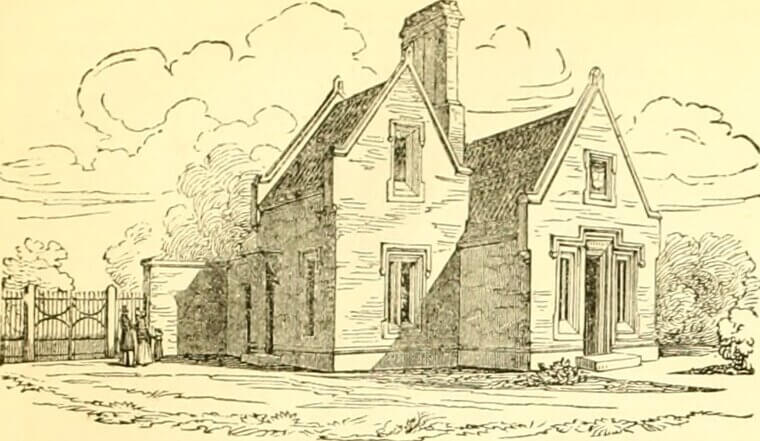
They famously joke that their biggest business challenge is that their pans never wear out, meaning customers only ever need to buy one.
The Steiff Teddy Bear Company and the "Button in Ear" Secret War
Margarete Steiff founded her toy company in 1880, and her nephew Richard created the world’s first "Teddy Bear" in 1902. The family became embroiled in a legal "war" to protect their brand, eventually creating the famous "Button in Ear" trademark. Rumor has it that the family used to hide secret messages inside the stuffing of bears sent to royal families across Europe. The Steiff family still maintains a high level of hand-craftsmanship, with some bears retailing for thousands of dollars.
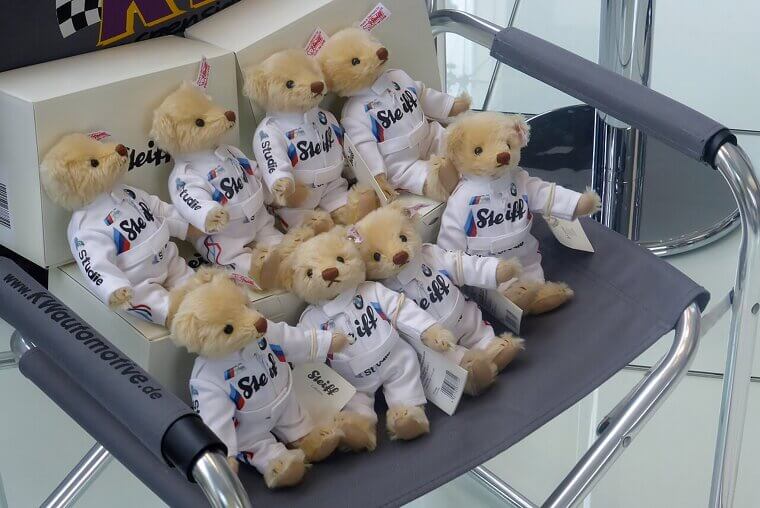
Their secret is creating an emotional connection that turns a simple plush toy into a lifelong family heirloom.
The Higgins Boat Dynasty and the "Boat That Won the War"
Andrew Higgins started his family business in New Orleans, and during WWII, his "Higgins Boats" were essential for the D-Day landings. Legend has it that Higgins was so hot-tempered that he once reportedly kicked a government inspector out of his factory for questioning his choice of plywood. Dwight D. Eisenhower famously called him "the man who won the war for us." The family’s ability to scale a small boat-building operation into a massive wartime engine is a masterclass in American industrial grit.

Today, the family legacy is preserved through foundations that celebrate the intersection of family pride and national service.
The Ferrara Candy Company and the "Confetti" Marriage Superstition
The Ferrara family started their bakery in New York’s Little Italy in 1892. While they are famous for cannoli, they are the kings of "confetti"—candy-coated almonds used at Italian weddings. Family superstition reportedly holds that if a batch of almonds cracks during the coating process, a wedding in the neighborhood will be cancelled. To avoid this "curse," the family allegedly follows a secret temperature ritual that has been passed down for over 130 years.

Their secret to success is being the "sweet heart" of their community, providing the treats for every baptism, wedding, and funeral for five generations.