King Charles III and the Courage to Share His Cancer Journey
In early 2024, King Charles III broke centuries of royal protocol by publicly announcing his cancer diagnosis. While the specific type of cancer reportedly remains private, his decision to be open about his treatment was a calculated move to encourage men across the globe to seek regular check-ups. Historically, monarchs kept such matters behind closed doors to maintain an image of invincibility. By sharing his journey, the King reportedly saw a massive surge in public interest regarding prostate health and general screenings.
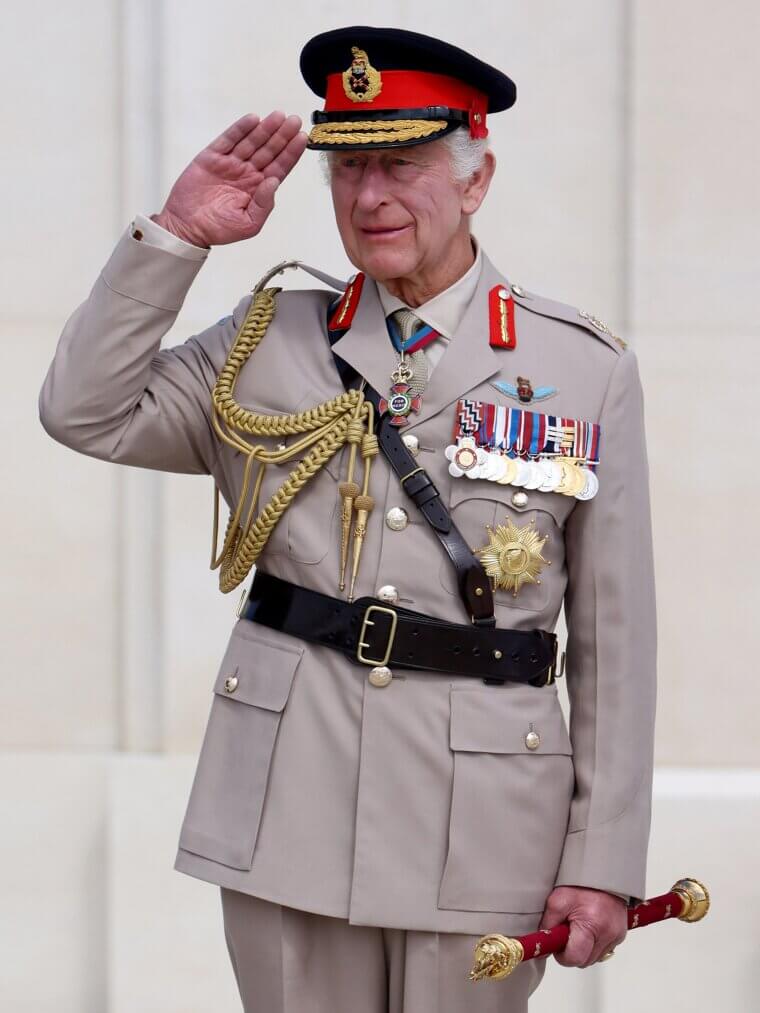
This transparency has helped humanize the crown, showing that even a King is not exempt from the vulnerabilities of the human body.
Princess Catherine’s Poignant Video on Her Chemotherapy Battle
The Princess of Wales, Catherine, captured the world’s heart when she released a deeply personal video message discussing her cancer diagnosis and subsequent preventative chemotherapy. Following a major abdominal surgery, the Princess stepped away from public duties, leading to intense speculation. Her eventual openness was aimed at reassuring other families facing similar battles. She reportedly wanted to handle the news privately for the sake of her young children before sharing it with the world.
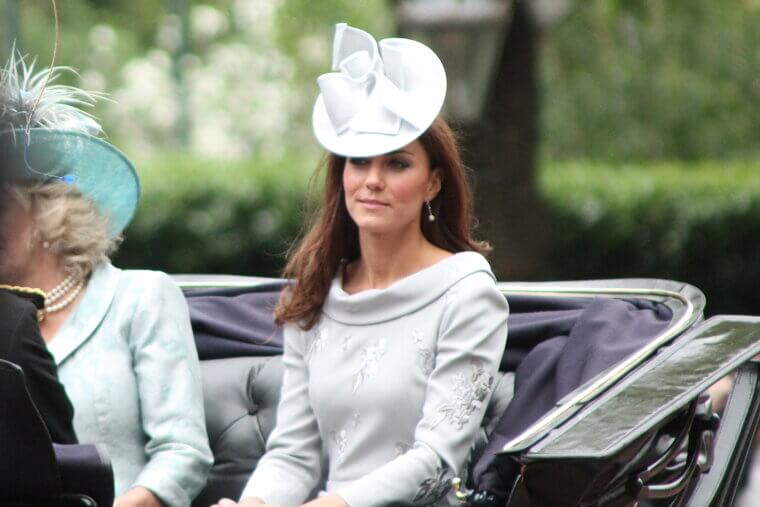
Her message focused on hope and resilience, reminding the public that they are not alone in their health struggles, which significantly boosted morale and awareness for cancer charities.
Queen Elizabeth II and Her Graceful Management of "Mobility Issues"
In the final years of her historic reign, Queen Elizabeth II faced what the Palace gently termed "episodic mobility problems." While she remained dedicated to her duties, she began using a walking stick and eventually missed major events like the State Opening of Parliament. Reportedly, the Queen was determined to continue working as long as possible, adapting her schedule to accommodate her physical limitations. Her resilience showed a generation of seniors that aging does not mean an immediate end to productivity.
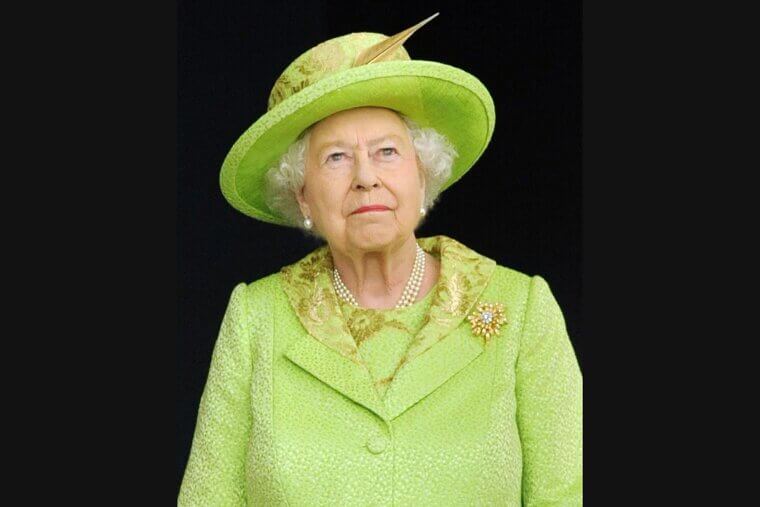
She navigated these challenges with a quiet dignity, ensuring the monarchy remained stable even as her own physical strength began to wane.
Princess Diana and Her Groundbreaking Honesty About Bulimia
Princess Diana was perhaps the first royal to truly shatter the "stiff upper lip" tradition regarding mental health and eating disorders. In her famous 1995 interview, she spoke candidly about her struggle with bulimia, describing it as a "secret disease" born from the pressures of her royal role. By putting a famous face to a misunderstood condition, she reportedly helped thousands of women seek help. Her honesty was a turning point for the Royal Family, forcing a conversation about mental well-being that continues today.
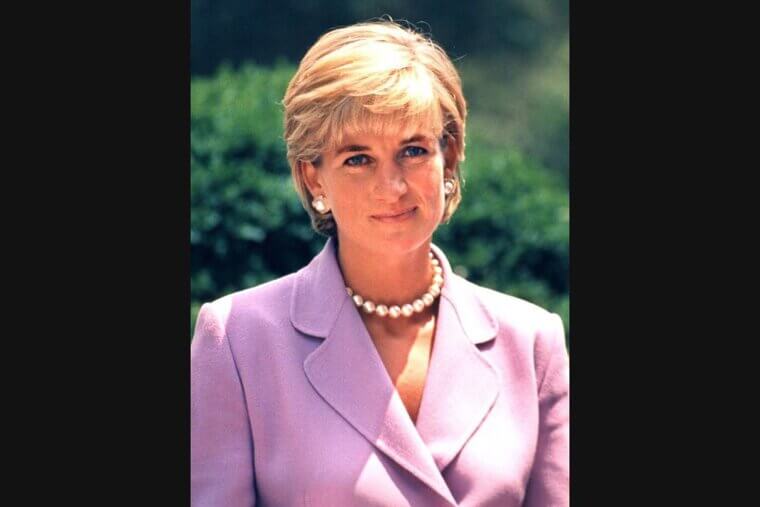
She used her platform to destigmatize the struggle, proving that true royalty comes from the courage to be vulnerable.
Sarah Ferguson and the Dual Fight Against Breast and Skin Cancer
Sarah, Duchess of York, has become a fierce advocate for health screenings after facing two different cancer diagnoses within a single year. After a routine mammogram detected early-stage breast cancer, she underwent a mastectomy. Shortly after, she was reportedly diagnosed with malignant melanoma. Rather than retreating, Sarah used her experience to launch public awareness campaigns. She stressed that a simple check-up saved her life and urged her followers to never skip their appointments.

Her relatability and "tell-it-like-it-is" attitude have made her a powerful voice for preventative medicine among women in her age group, turning her personal trials into public triumphs.
King George VI and the Secret Battle With Lung Cancer
In a stark contrast to modern transparency, King George VI’s battle with lung cancer was largely kept from the public and reportedly even from the King himself. In 1951, he underwent a grueling surgery to remove his left lung, which the Palace euphemistically described as "structural abnormalities." The King was a heavy smoker, a habit that eventually claimed his life at the young age of 56. His struggle highlights how much the royal approach to health has changed.
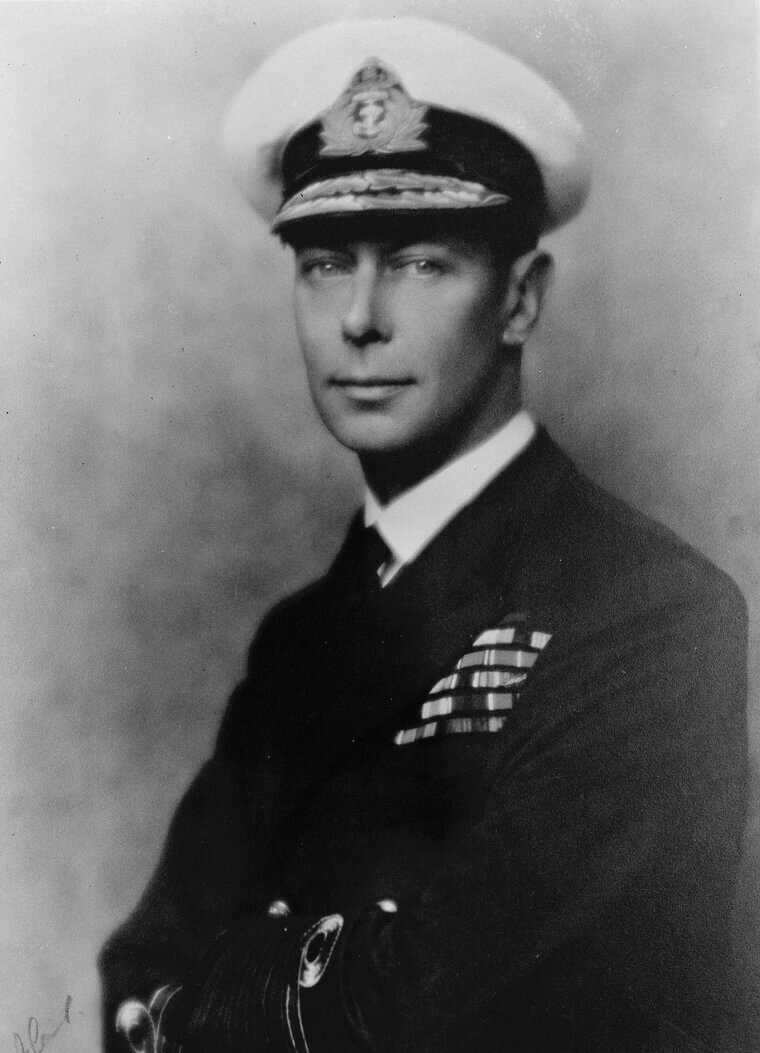
While he suffered in silence to maintain national stability after the war, his legacy serves as a somber reminder of the dangers of smoking and the evolution of royal medical privacy.
Princess Margaret’s Series of Strokes and Lifestyle Shifts
Princess Margaret, known for her glamorous and sometimes rebellious lifestyle, faced significant health challenges in her later years, including a series of strokes. These health scares reportedly forced the Princess to make drastic changes, including quitting her lifelong smoking habit. Her first stroke in 1998 was followed by a severe accident where she scalded her feet, leading to a long recovery period. Margaret’s health journey was followed closely by the public, who saw a once-vibrant socialite navigate the difficult realities of chronic illness.
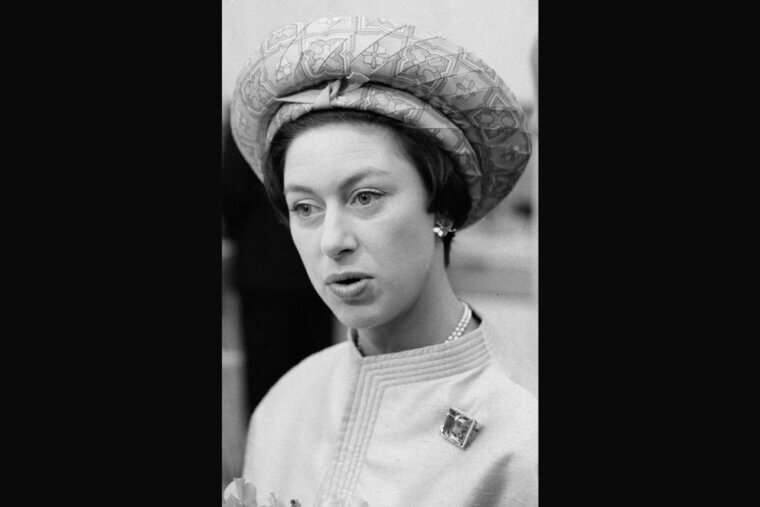
Her resilience in the face of declining health showed a different, more somber side of the Windsor family’s private struggles.
Prince Philip’s Remarkable Longevity and Heart Health
Prince Philip was the epitome of "keep calm and carry on," rarely complaining about his health until his final years. He reportedly managed a heart condition for some time, undergoing a successful procedure for a blocked coronary artery in 2011. Even in his late 90s, the Duke of Edinburgh remained active, only stepping back from public life when it became physically necessary. His ability to bounce back from various infections and surgeries was legendary.
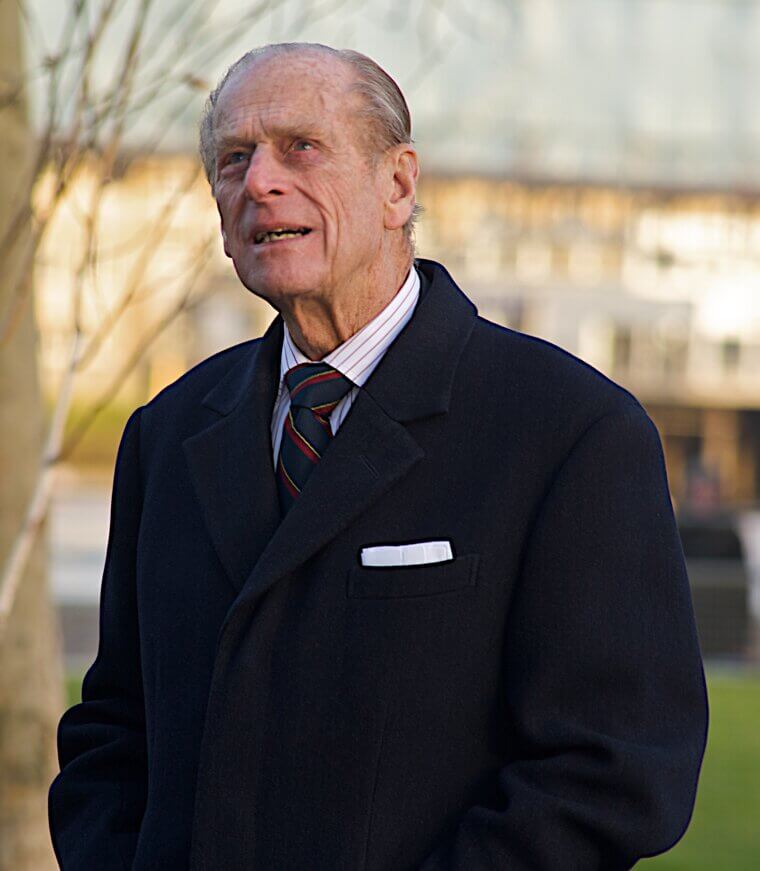
He often left the hospital with a wave and a brisk walk to the car. His journey was an inspiration for many men, proving that staying active is key to a long life.
Princess Charlene of Monaco’s Long Road to Recovery
The Monégasque royal family faced a difficult year when Princess Charlene was grounded in South Africa due to a severe ear, nose, and throat infection. The condition was reportedly so serious that she was unable to fly for many months, missing her wedding anniversary and her children’s milestones. This "mystery illness" led to multiple surgeries and a state of "exhaustion," which the Palace eventually addressed to quell public concern.

Charlene’s struggle highlighted the physical and emotional toll that chronic illness can take on a person, regardless of their status. Her eventual return to Monaco was seen as a symbol of personal and family resilience.
King Juan Carlos I and the Transparency of Multiple Surgeries
Spain’s former King, Juan Carlos I, became well-known for his frequent trips to the hospital, often appearing on crutches for public events. Over the years, he reportedly underwent over a dozen surgeries, including hip replacements and the removal of a lung tumor. Unlike some of his predecessors, Juan Carlos was often seen joking with reporters outside the clinic, projecting an image of a "warrior" who refused to let physical setbacks stop him.
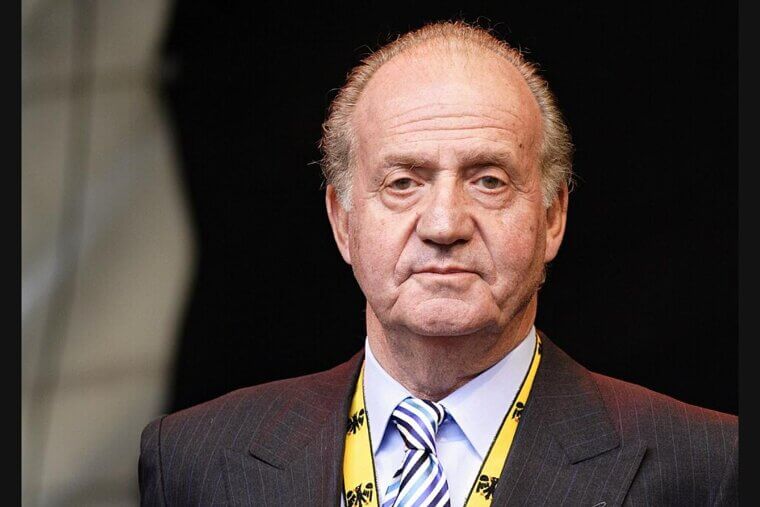
His openness about his aging body and the various procedures he required helped normalize the conversation around orthopedic health and the realities of maintaining a public role well into one's 70s.
Queen Silvia of Sweden and Her Dedication to Dementia Awareness
While Queen Silvia herself has maintained good health, her journey navigating her mother’s battle with dementia changed the Swedish monarchy forever. Reportedly moved by the challenges of caregiving, the Queen founded "Silviahemmet," an organization dedicated to providing specialized care and training for those dealing with memory loss. She spoke openly about the pain of watching a loved one disappear into the fog of the disease, which resonated deeply with the public.
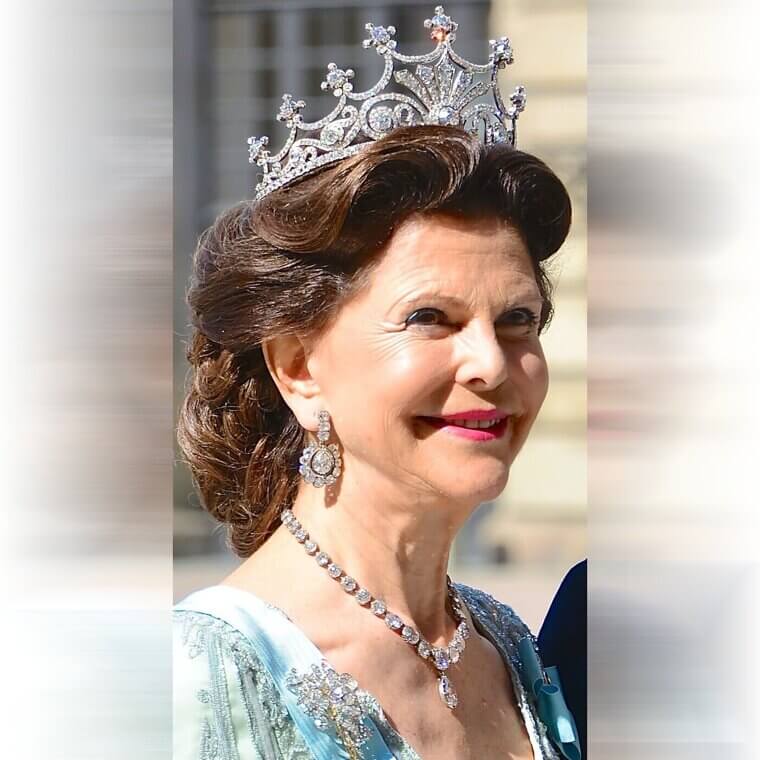
By using her personal experience as a caregiver, she brought national attention to a condition that was often hidden in shame, making her a champion for elderly care and dignity.
King Willem-Alexander and the Importance of Mental Resilience
The Dutch King, Willem-Alexander, has been a vocal proponent of mental health, often reflecting on the stresses of modern life and the pressures of the throne. While the Dutch monarchy is known for being relatively private, the King reportedly used his platform during the global pandemic to address the "hidden" health crisis of loneliness and anxiety. He shared how he and Queen Máxima navigated the emotional challenges of the lockdown, encouraging his citizens to be open about their feelings.
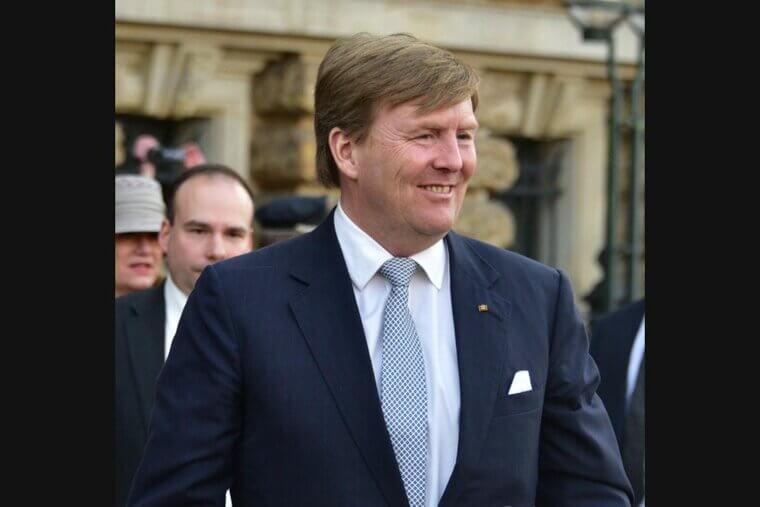
His approach is less about a specific diagnosis and more about the ongoing work of maintaining mental resilience in a high-pressure, highly visible world.
Princess Alice of Battenberg and Her Triumph Over Schizophrenia
Prince Philip’s mother, Princess Alice, had a life that was both tragic and heroic. She was reportedly diagnosed with schizophrenia in the 1930s and spent years in sanatoriums, where she was treated by famous doctors of the era. Despite these immense mental health challenges, she eventually recovered and went on to found an order of nursing nuns. During the war, she risked her life to hide Jewish refugees. Her story is one of incredible resilience, showing that a mental health diagnosis is not a life sentence.
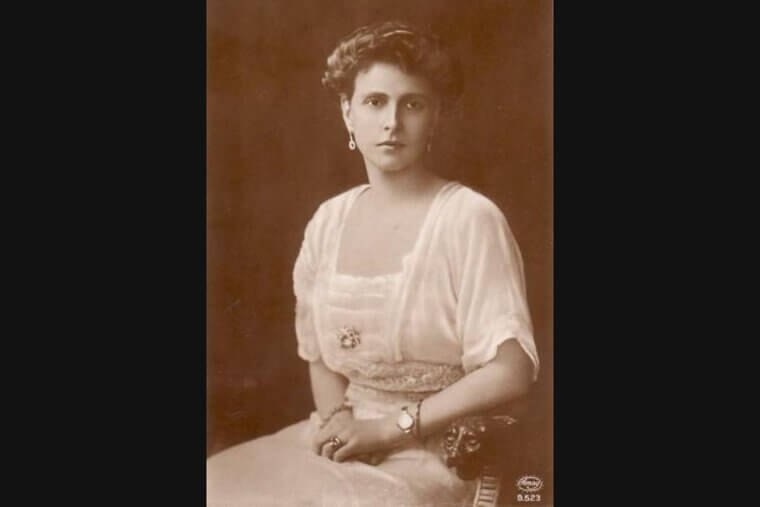
Her bravery in overcoming her internal struggles to serve others remains a powerful chapter in royal history.
Queen Victoria and the Legacy of the "Royal Disease"
Queen Victoria was the unwitting carrier of hemophilia, a blood-clotting disorder that would go on to affect royal families across Europe. Known as the "Royal Disease," it reportedly claimed the lives of several of her descendants, including her son Prince Leopold. While Victoria herself did not suffer from the symptoms, the health of her children was a constant source of anxiety. Her reign was marked by the private management of this genetic challenge, which influenced royal marriages and political alliances for generations.
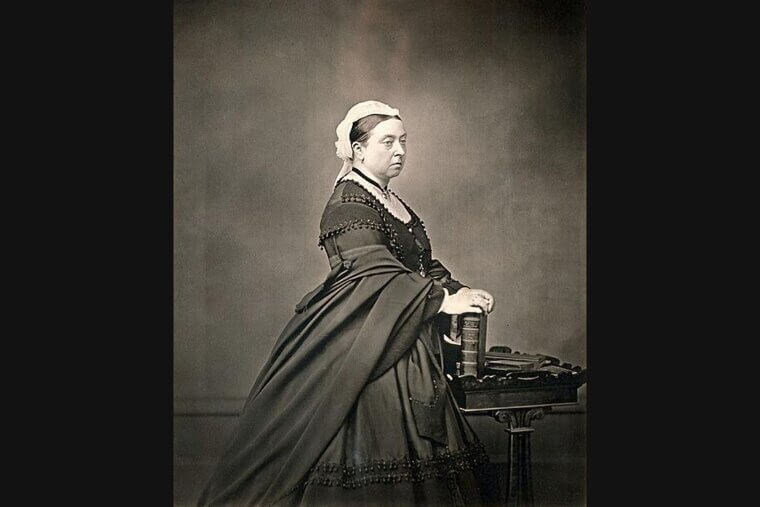
This historical health struggle shows how a single family’s medical history can literally change the course of world events.
Prince Rainier III’s Battle With Heart and Lung Ailments
The "Builder Prince" of Monaco, Rainier III, faced a steep decline in health during his final years. He was reportedly hospitalized several times for heart and lung infections, eventually requiring the use of a ventilator. His health journey was a matter of great concern for the small principality he had transformed. As his son, Prince Albert, took over more duties, the public was kept informed of the Prince’s condition with a level of detail that was relatively new for the time.
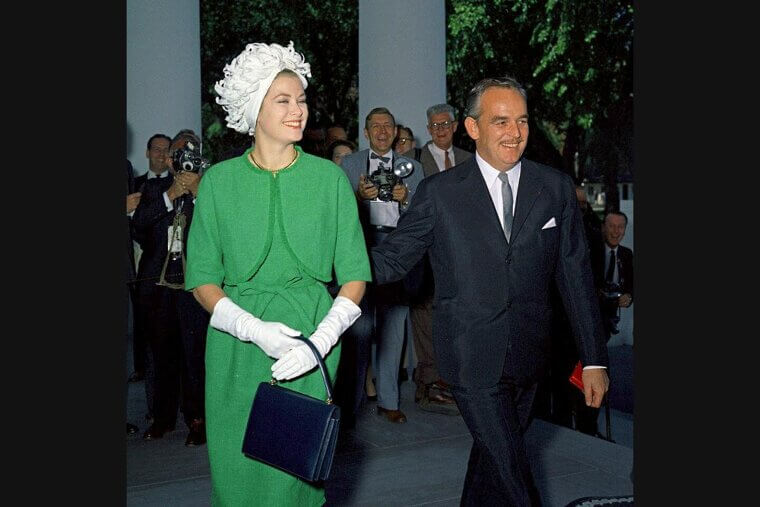
His resilience during his final months showed his dedication to his country, as he continued to guide the state from his hospital bed.
Grand Duchess Maria Teresa and Her Fight Against "Learning Differences"
The Grand Duchess of Luxembourg has used her platform to speak about her children’s struggles with dyslexia and other learning challenges. Reportedly, the family’s openness about these common but often misunderstood issues helped reduce the stigma in their country. Maria Teresa has been an advocate for inclusive education, sharing that even with all the resources of a palace, navigating the school system for a child with learning differences is a challenge.
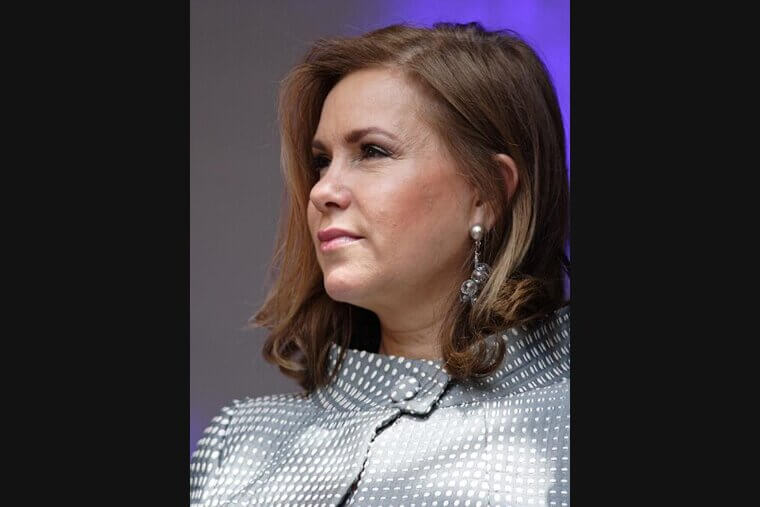
Her empathy and candor have made her a favorite among parents, proving that royals face the same "kitchen table" health and education worries as everyone else.
King George V and the Reality of Chronic Bronchitis
King George V, the grandfather of Queen Elizabeth II, suffered for years from chronic bronchitis, worsened by his heavy smoking. In 1928, he reportedly fell so ill that he required a major operation on his chest to drain fluid. His health was a major national concern, and the public followed his recovery with bated breath. This period saw the first real "bulletins" about a King's health, though they were still quite vague.
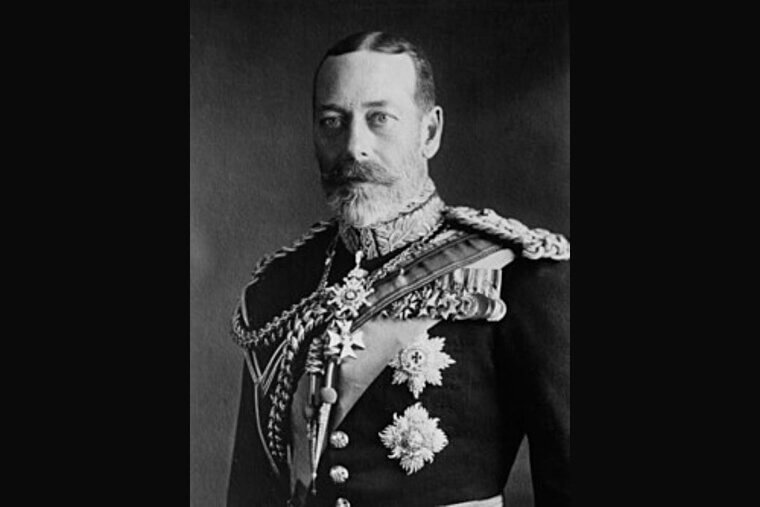
His struggle with respiratory issues eventually led to his passing, but his willingness to let the public know he was unwell marked a shift toward the modern era of royal health reporting.
Princess Victoria of Sweden and the Courage to Discuss Anorexia
In the late 1990s, the Swedish public noticed that their future Queen, Princess Victoria, appeared dangerously thin. In a move that was shockingly brave for the time, the Palace confirmed she was suffering from an eating disorder. Victoria reportedly moved to the United States for a period of time to seek treatment away from the spotlight. Years later, she spoke candidly about the "pressure" she felt to be perfect.
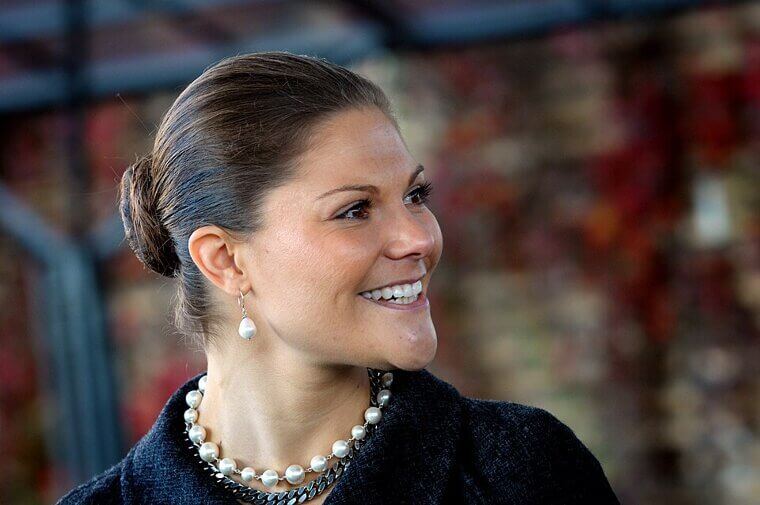
By being so open about her recovery, she became a role model for young women across Scandinavia, showing that seeking help is a sign of strength, not a weakness.
Prince Friso and the Heartbreaking Reality of a Coma
The Dutch Royal Family faced a tragic health crisis when Prince Friso, the brother of King Willem-Alexander, was buried in an avalanche while skiing. He reportedly suffered severe brain damage due to oxygen deprivation and remained in a coma for over a year before passing away. During this time, the Dutch public saw a family in deep mourning, navigating the complex medical and ethical decisions that come with long-term unconsciousness.

Their dignity and the way they supported one another through such a public tragedy highlighted the profound resilience required when a family member faces a catastrophic health event.
Queen Mother Elizabeth and the Art of "Positive Aging"
The Queen Mother was a symbol of health and longevity, living to the incredible age of 101. While she faced minor surgeries and common ailments like the flu, she reportedly maintained a "positive mental attitude" that she credited for her long life. She was rarely seen without a smile, even when she required two hip replacements in her late 90s. Her resilience wasn't just physical; it was her refusal to let age slow her down that captured the public's imagination.
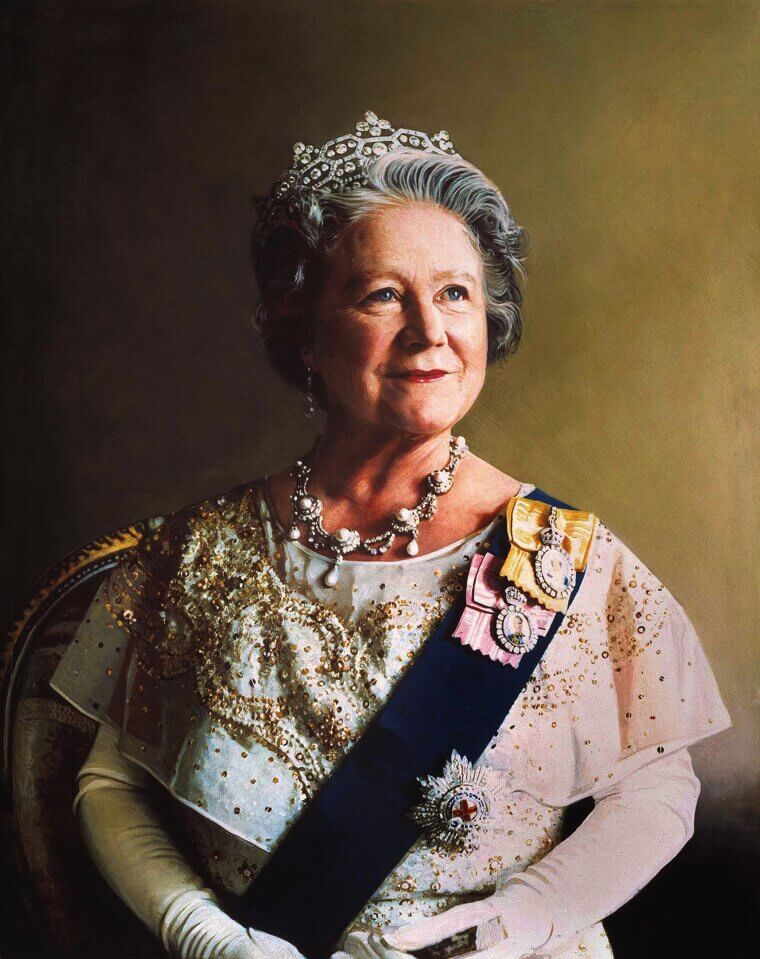
She showed that growing older could be done with style, humor, and an unwavering commitment to one's public duties.
King Olav V of Norway and the Quiet Battle With Heart Disease
Norway’s "People’s King," Olav V, was a beloved figure who faced heart issues later in life. In 1990, he reportedly suffered a stroke that left him partially paralyzed, but he worked tirelessly to regain his strength. His health journey was followed with great affection by the Norwegian people, who appreciated his transparency. Even when he could no longer perform all his duties, he remained a visible symbol of the nation.

His passing was a moment of national mourning, but his resilience in the face of his final illness left a lasting impact on how the Norwegian monarchy approaches the aging process.
Princess Mette-Marit and Living With Chronic Lung Disease
Princess Mette-Marit of Norway shocked the public when she revealed she had been diagnosed with chronic pulmonary fibrosis. This rare lung disease reportedly causes scarring of the lung tissue, making breathing difficult and limiting her ability to perform royal duties. Rather than hiding the diagnosis, she chose to be open about why she was missing events. This transparency has helped raise awareness for the disease.

And it has shown the public that even a Crown Princess must sometimes put her health first. Her resilience in managing a life-long condition while serving her country is a testament to her strength.
King Bhumibol Adulyadej and the Longest Health Watch
The late King of Thailand was a figure of immense respect who spent much of the last decade of his life in the hospital. His health struggles, ranging from heart issues to spinal problems, were reportedly tracked by the entire nation with religious devotion. The Palace issued regular updates, which were unusual for the Thai monarchy at the time. His resilience during his many illnesses was seen as a reflection of his dedication to his people.
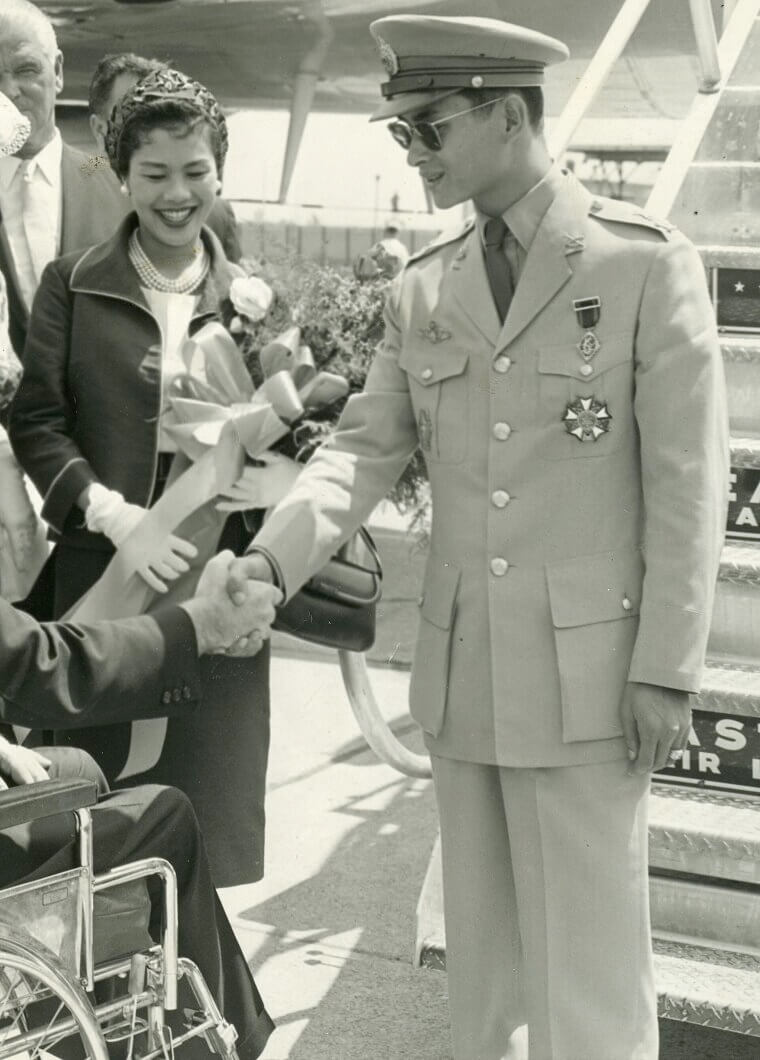
His journey showed how the health of a monarch can become a unifying force for a country, bringing people together in hope and prayer.
Prince Joachim of Denmark and the Sudden Brain Hemorrhage
In 2020, Prince Joachim of Denmark was rushed to the hospital for emergency surgery following a brain hemorrhage. The news reportedly sent shockwaves through the country, as the Prince had appeared in good health just days before. His recovery was long and difficult, requiring him to step back from his official role for several months. His wife, Princess Marie, spoke about the "frightening" experience and the slow process of rehabilitation.
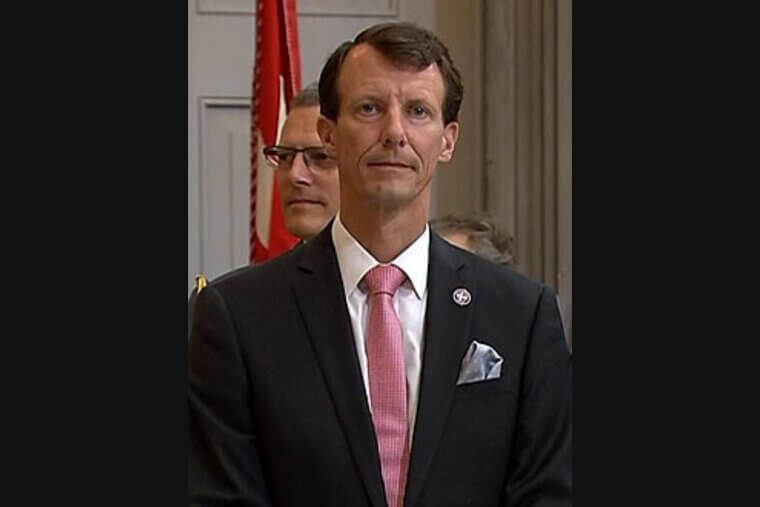
Their openness about the suddenness of the event served as a reminder of the importance of recognizing the signs of a stroke and the long road to recovery.
Queen Beatrix and the Graceful Transition After Knee Surgeries
Queen Beatrix of the Netherlands, like many royals of her generation, faced the common challenges of aging, including multiple knee surgeries. Reportedly, she handled these procedures with a no-nonsense attitude, often returning to work sooner than expected. Her resilience was evident when she chose to abdicate in favor of her son, King Willem-Alexander, citing the need for "new blood" and her own declining energy levels.
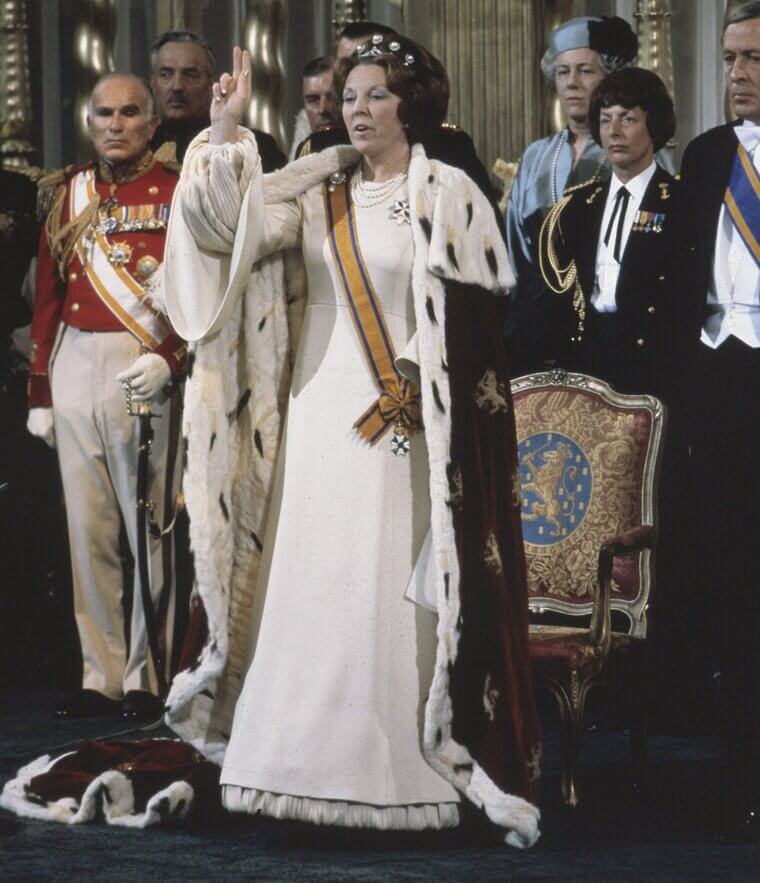
By being honest about her physical limits, she ensured a smooth transition for the monarchy and showed that there is great dignity in knowing when to step aside for the sake of the institution.
King Harald V and the Transparency of Modern Heart Surgery
Norway’s King Harald V has been remarkably open about his various health issues, including bladder cancer and heart valve replacement surgery. In late 2020, the Palace reportedly provided detailed updates on his progress, which helped prevent rumors and anxiety among the public. The King’s "matter-of-fact" approach to his health has been praised for modernizing the monarchy. He has shown that being a King doesn’t mean being superhuman.
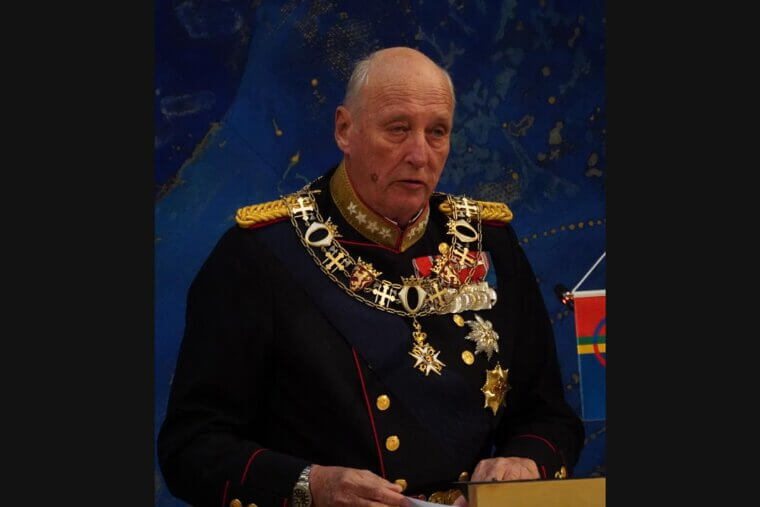
It means facing life’s challenges with the same grit and determination as anyone else. His frequent "comebacks" have made him a symbol of Norwegian resilience and endurance.
Princess Anne and the Resilience of an Equestrian’s Spirit
Princess Anne is famously known as the hardest-working royal, but her life has not been without health scares, mostly related to her love of horses. She has reportedly suffered several concussions and fractures over the years. In 2024, she was hospitalized following an incident with a horse that left her with minor head injuries and memory loss. Her quick return to duties after such events is legendary.
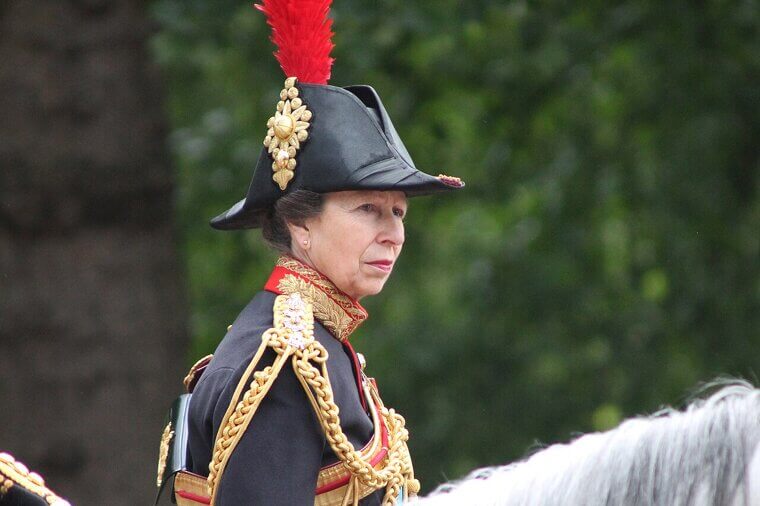
Anne’s resilience is rooted in her "no-fuss" attitude, proving that a strong constitution and a bit of "country grit" are essential tools for any royal navigating the physical demands of the job.
King Michael of Romania and the Dignified Battle With Leukemia
The late King Michael of Romania lived most of his life in exile, but his health in his final years was a major topic in his homeland. He was reportedly diagnosed with chronic leukemia and a form of skin cancer, leading to his retirement from public life. His family provided regular, respectful updates on his condition, allowing the Romanian people to say their goodbyes from afar.

His resilience through decades of political turmoil and his final health battle made him a symbol of national identity. His journey showed that even without a throne, a monarch’s health remains a matter of public heart.
Queen Sonja and the Advocacy for Osteoporosis Awareness
Queen Sonja of Norway has used her experience with the common "silent" disease of osteoporosis to help others. Reportedly after being diagnosed with thinning bones, she became a patron of organizations dedicated to the condition. She has spoken about the importance of diet, exercise, and early testing, especially for women in her age group. By sharing her own diagnosis, she turned a private health concern into a public service mission.
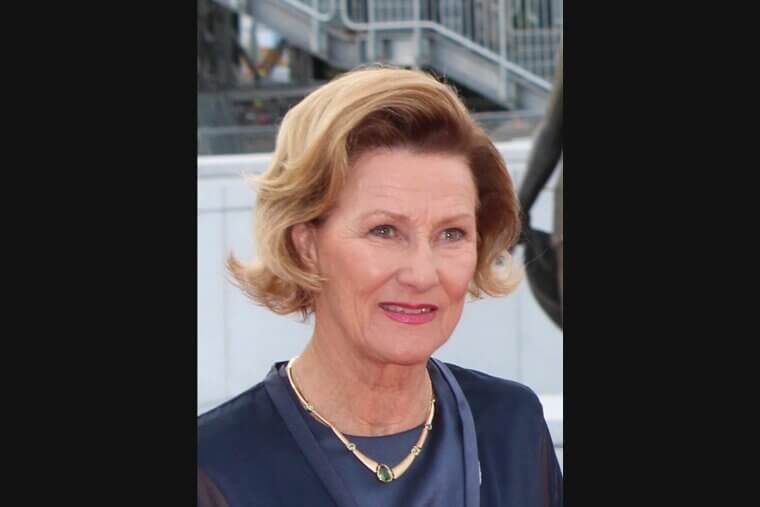
Her resilience isn't just about her own health; it’s about her tireless work to ensure that other women have the information they need to stay strong as they age.
Prince Edward and the "Thin" Line of Royal Privacy
The Duke of Edinburgh, Prince Edward, has often been the subject of health rumors due to his slender frame. While the Palace has reportedly never confirmed any specific illness, the public’s interest in his well-being shows how closely royals are scrutinized. Edward has navigated this by focusing on his work with the Duke of Edinburgh’s Award, proving his stamina and dedication. His resilience is found in his ability to ignore the "prying eyes."

And to continue his service with a steady hand. He reminds us that not every health journey needs to be a headline to be significant.
Queen Margrethe II and the Choice of a Major Back Surgery
In early 2023, the long-reigning Queen Margrethe II of Denmark underwent a "comprehensive" surgery for a long-standing back condition. The surgery was reportedly successful, but the recovery was long and required her to temporarily hand over her duties to her son. This major health event was cited as one of the reasons for her surprise abdication a year later. Her resilience in undergoing such a major procedure in her 80s was widely admired.
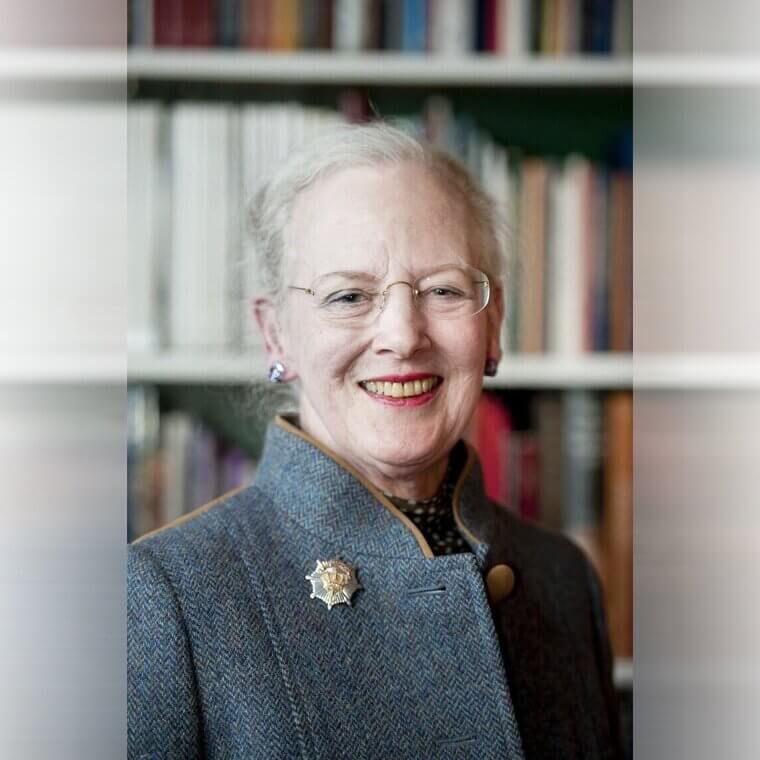
Her choice to be open about the pain she was in showed a practical, modern approach to the physical realities of being a monarch.
Prince Richard, Duke of Gloucester and the Quiet Life With a Heart Condition
The Duke of Gloucester, a cousin to Queen Elizabeth II, has reportedly managed a heart condition for many years with very little fanfare. He is known for being one of the most low-profile members of the Royal Family, yet his dedication to his many patronages never wavers. His resilience is seen in his quiet, consistent service despite the physical challenges that come with age.
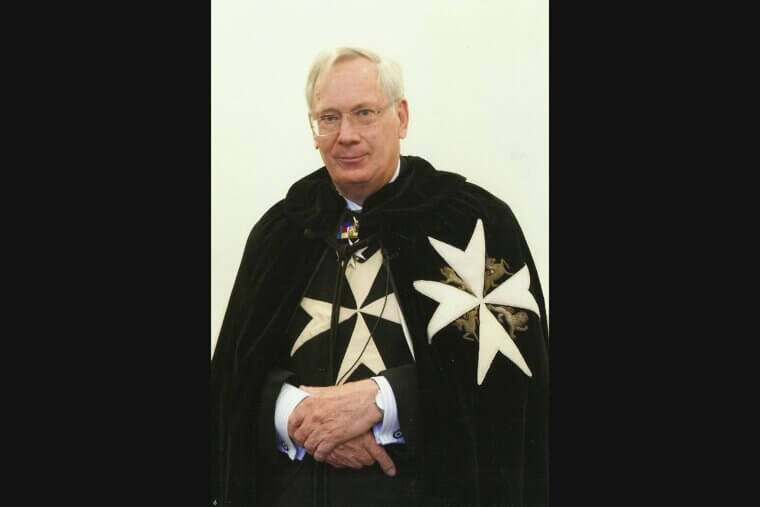
He represents the "steady as she goes" branch of the monarchy, showing that one can lead a productive and meaningful royal life even when dealing with chronic health concerns behind the scenes.
Princess Astrid of Norway and the Fight Against Chronic Fatigue
Princess Astrid, the sister of King Harald, has been open about her struggles with chronic fatigue and other health issues that have occasionally limited her public appearances. Reportedly, she has managed these conditions for decades, balancing her desire to serve with her body’s need for rest. Her resilience is an inspiration for those who live with "invisible" illnesses. By continuing to support her brother and her country whenever possible, she shows that health challenges don't have to define a person's life.
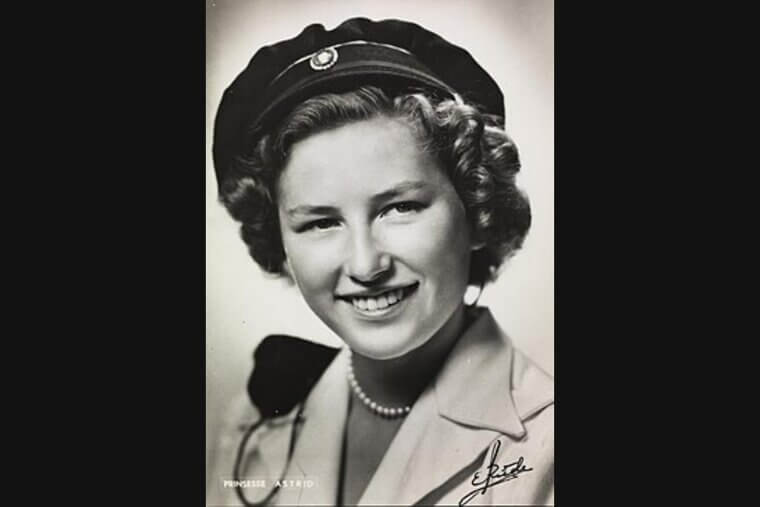
Nor do they have to let it get in the way of their contribution to their family and community.
King Albert II of Belgium and the Transparency of Skin Cancer Treatment
Belgium’s former King, Albert II, has faced several bouts with skin cancer, including the removal of a "basal cell carcinoma" from his nose. The Palace was reportedly quite open about the procedures, which helped raise awareness about the dangers of sun damage among the Belgian public. Albert’s willingness to be seen with bandages or surgical marks showed a lack of vanity that the public found endearing.

His resilience through these minor but recurring health scares has highlighted the importance of regular dermatological checks, especially for those who spent much of their youth outdoors.
Princess Michael of Kent and the Battle With "Long Covid"
Princess Michael of Kent was reportedly one of the first high-profile royals to speak about the lingering effects of "Long Covid." After contracting the virus in 2020, she reportedly suffered from severe fatigue and respiratory issues for many months. Her struggle brought attention to a condition that was still being understood by the medical community at the time. Her resilience in managing the slow, often frustrating recovery process served as a validation for many others who were feeling "stuck" in their own post-viral journeys.
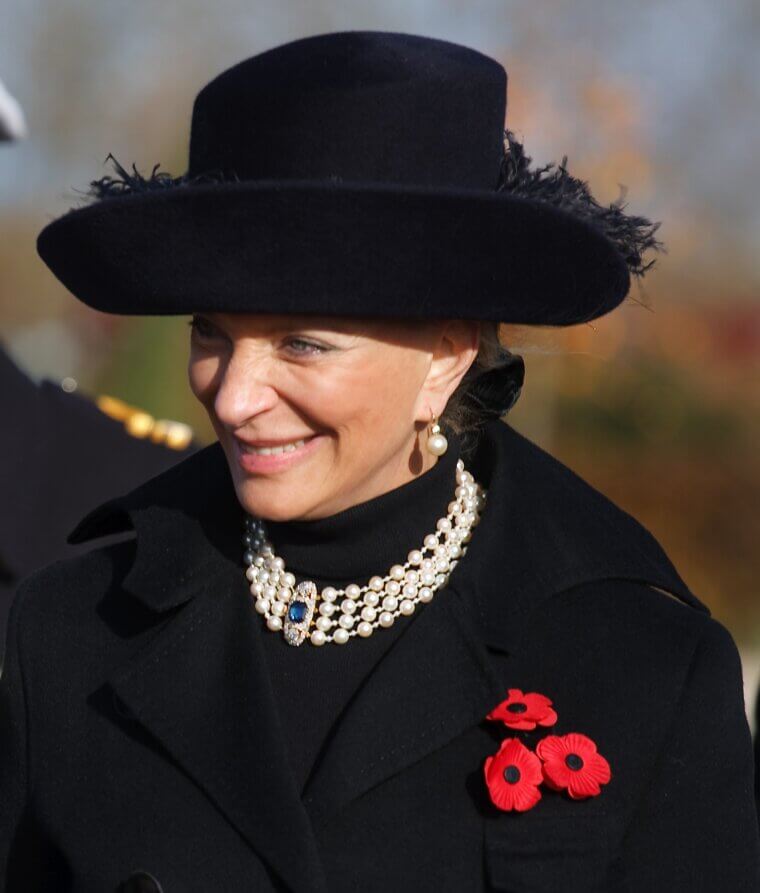
Princess Michael of Kent proved that even with the best medical care, recovery can be a marathon.