The Trunk Sat Untouched for Over 80 Years
For over eighty years, the cobalt-blue steamer trunk sat undisturbed in the drafty attic of the Miller farmhouse, its heavy iron latch rusted shut by decades of humid summers and frozen winters. To the grandchildren, it was merely a dusty pedestal for old holiday decorations, but to Great-Aunt Martha, it was a silent sentinel of a life she rarely discussed. When the family finally applied a bit of oil and leverage, the metallic creak of the seal breaking felt like a literal rupture in time.
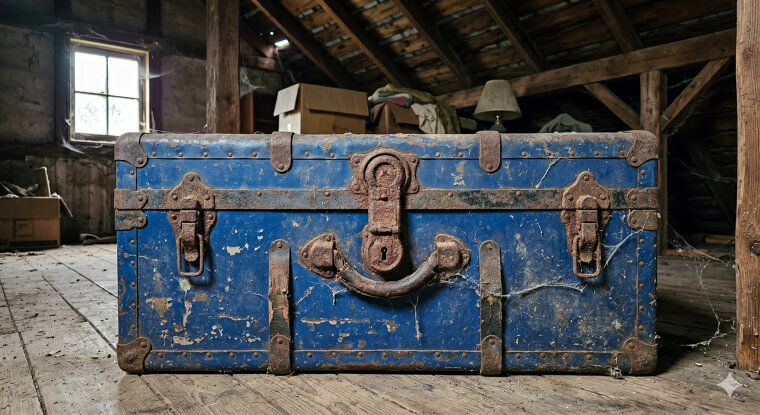
This creaky sound of the latches finally opening after decades of being untouched marked the beginning of a revelation that would shift their entire lineage forever.
An 80-Year-Old Flower Petal From a Forbidden Field
Resting right on top of the yellowed packing paper was a perfectly preserved, albeit fragile, blue cornflower. It wasn't just any dried botanical; it was reportedly tucked away on a rainy Tuesday in April 1941. The vibrant blue hue, remarkably intact despite the passage of eighty years, seemed to mirror the trunk's exterior. This delicate blossom served as the first clue into a romantic journey that spanned across the Atlantic.
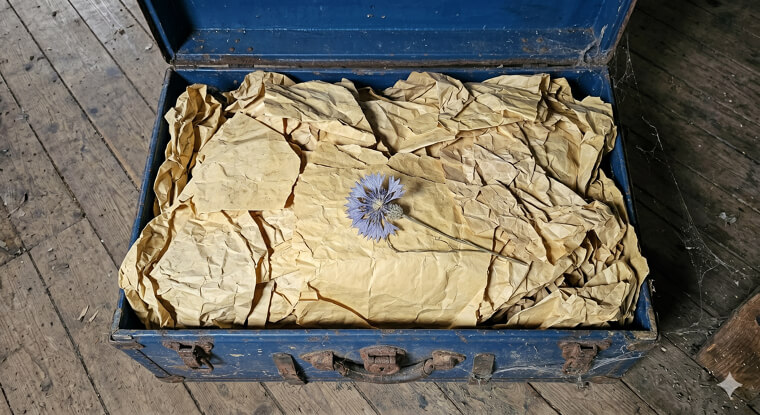
For the Miller women, this flower represented a forgotten softness in a matriarch they had always perceived as stern, stoic, and strictly business-minded throughout their entire childhoods.
The Detailed Map Included Villages That Weren't Found on Any Official Maps of the Era
Beneath the floral layer lay a hand-drawn map of the French coastline, meticulously detailed with ink that had faded to a soft sepia. Small, handwritten notations marked specific villages that weren't found on any official military maps of the era. These locations were allegedly safe havens used by those navigating the complex landscape of the early 1940s. The precision of the geography suggested that the trunk’s original owner had a deep, personal knowledge of the terrain.
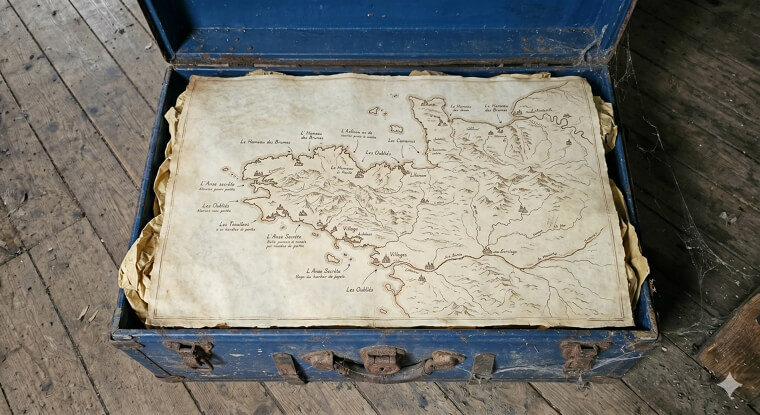
This map redefined the family’s understanding of their grandfather’s "quiet" service, hinting at a much more adventurous and risky past.
Letters That Were Never Meant for Postmen
Wrapped in a fraying silk ribbon were thirty-two letters, postmarked from locations ranging from Casablanca to London. The cursive handwriting was elegant yet hurried, often trailing off as if the writer were interrupted by external events. These documents provided a narrative backbone to the trunk's contents, detailing a series of meetings between two people who were never supposed to find one another. Reading through the first few entries, the family realized these weren't just personal missives.
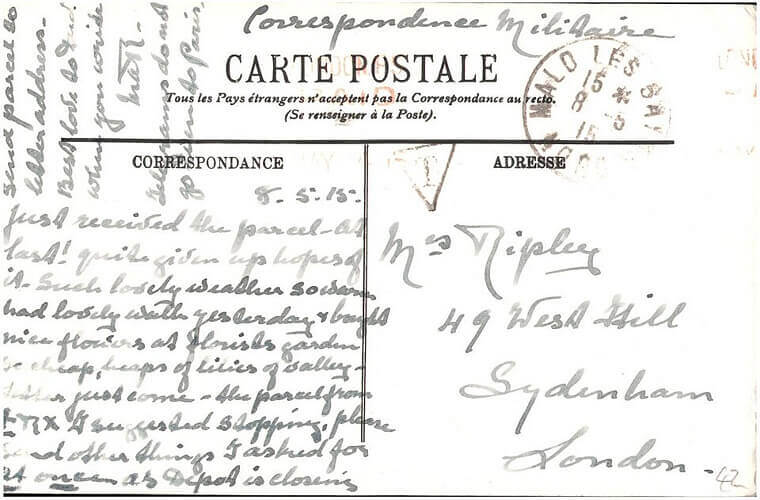
They were a chronicle of survival and hope, carefully preserved for a future generation that might finally be ready to understand the truth.
The Thimble That Stopped a Trajectory
Tucked into a velvet-lined corner was a sterling silver thimble, noticeably dented on one side as if it had deflected a significant impact. In family lore, Great-Grandmother Clara was a seamstress, but the placement of this item suggested it was more of a talisman than a tool. Allegedly, this thimble was kept in a vest pocket during a narrow escape through the Pyrenees. Its presence in the trunk serves as a tangible connection to the physical reality of the past.
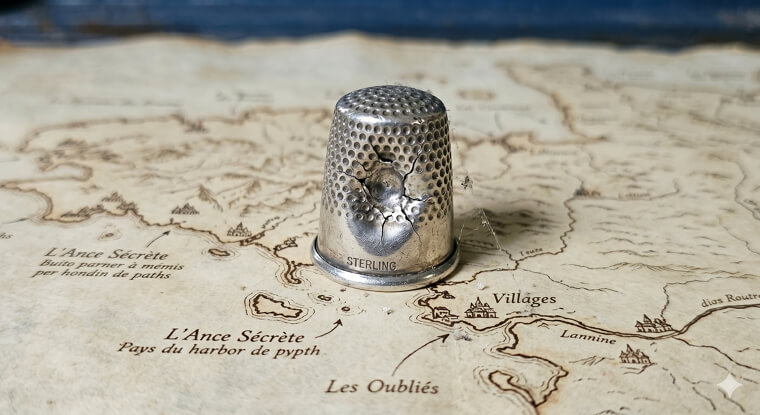
The thimble reminds the heirs that their ancestors' lives were shaped by both high-stakes drama and the smallest, most mundane personal objects.
A Recipe Designed to Keep Bread Edible for Weeks
Among the formal documents was a stained scrap of parchment featuring a recipe for a dense, rye-based bread. Notes in the margins indicated that this specific loaf was designed to last for weeks without spoiling, making it ideal for long, uncertain travels. The ingredients listed were humble, yet the instructions emphasized the importance of "sharing the crust with a stranger." This find illustrated the cultural values of the 1940s journey.
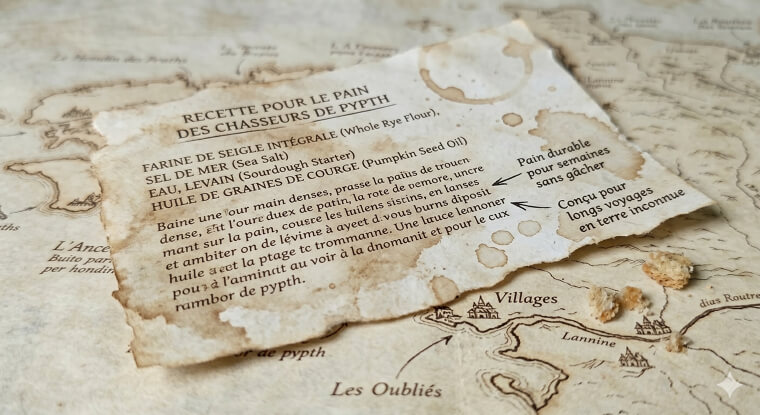
It showedh how nourishment and hospitality were vital survival strategies. It offered the Miller family a literal taste of the resilience required during those difficult, transformative, and starving years.
The Key to a Gate That Doesn't Exist
Finding a key inside a locked trunk is always a poetic irony. This heavy brass skeleton key was attached to a tag that simply read "The Gate at Menton." Research into the family history had never mentioned a property in the south of France, yet here was the physical proof of a hidden estate or sanctuary. The key was reportedly given to the family patriarch as a gesture of eternal gratitude by a fellow traveler.
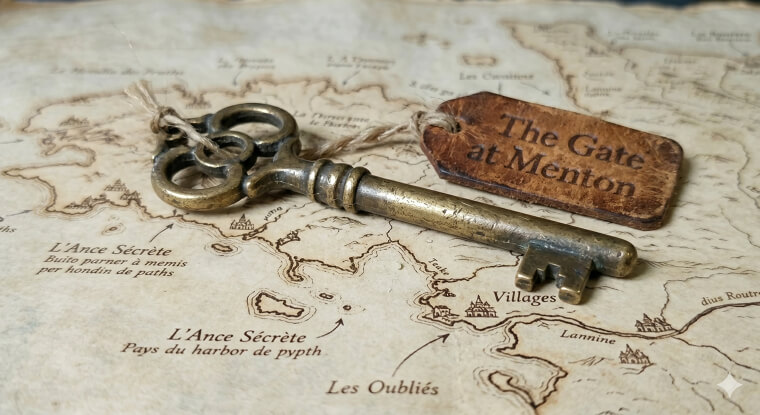
Its discovery prompted the younger Millers to start investigating French property records, turning a simple heirloom search into a legitimate international genealogical investigation involving long-lost land.
The Boots That Walked Across Borders
At the bottom of the trunk sat a pair of sturdy, well-worn leather boots, size six. The soles were thin, and the leather was cracked from exposure to various elements, yet they had been polished before being packed away. These weren't the shoes of someone who stayed at home; they were the footwear of a person who walked miles across varied terrain. Seeing the physical evidence of the journey—the dirt still embedded in the tread—made the stories in the letters feel incredibly real.
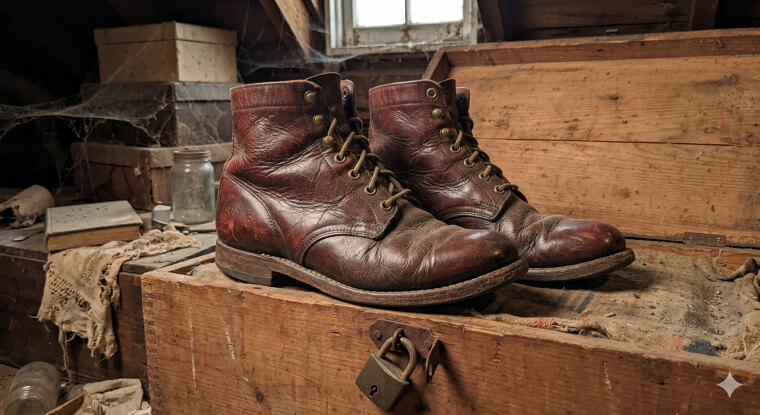
It transformed the abstract history of the 1940s into a visceral, lived experience for the modern family.
The Scarf of a Ghostly Countess
Hidden within the folds of a heavy wool coat was a vibrant silk scarf featuring hand-embroidered birds in flight. The craftsmanship was exquisite, appearing to be of Italian origin. This item allegedly represented a gift from a woman known only as "The Countess," who appeared frequently in the ribbon-bound letters. The scarf remained remarkably soft to the touch, providing a stark contrast to the rougher survival gear found elsewhere in the blue trunk.
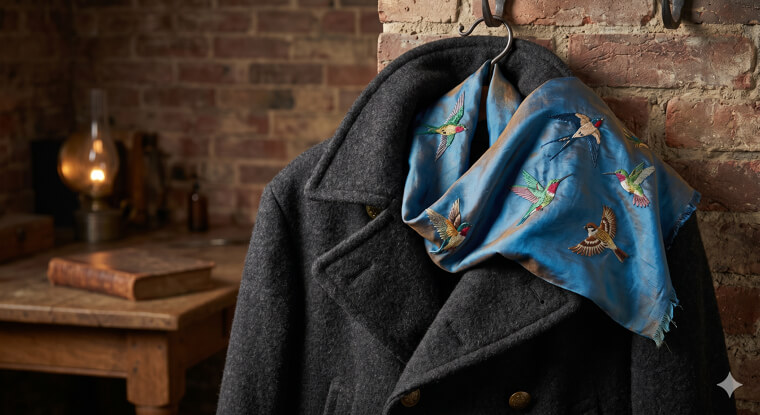
It served as a reminder that even in the most chaotic times, people sought out beauty and maintained a sense of sophisticated grace and humanity.
The Watch That Died at Midnight
This gold-plated pocket watch did not tick when wound; its hands were permanently set at 4:12. Whether this represented a moment of tragedy or a moment of great relief is a subject of much family debate. Reportedly, the watch stopped during a significant crossing in 1943, and the owner chose never to have it repaired. To the three generations of Millers standing around the trunk, this timepiece acted as a frozen moment in history.
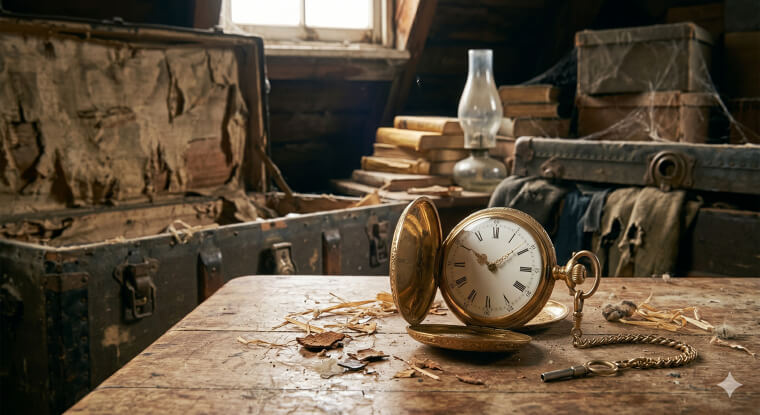
It forced them to contemplate what their own "4:12" might be—the specific instant that changed the course of their family’s destiny and survival.
The Tin of Tea That Smells Like London
A small, airtight tin contained the faint, ghostly scent of Earl Grey tea leaves. In the 1940s, such a luxury would have been incredibly difficult to procure and even harder to transport. The fact that it remained in the trunk suggests it was being saved for a celebration that perhaps never occurred—or perhaps it was a reminder of a home that was left behind. The scent alone was enough to trigger memories for the oldest living family members.
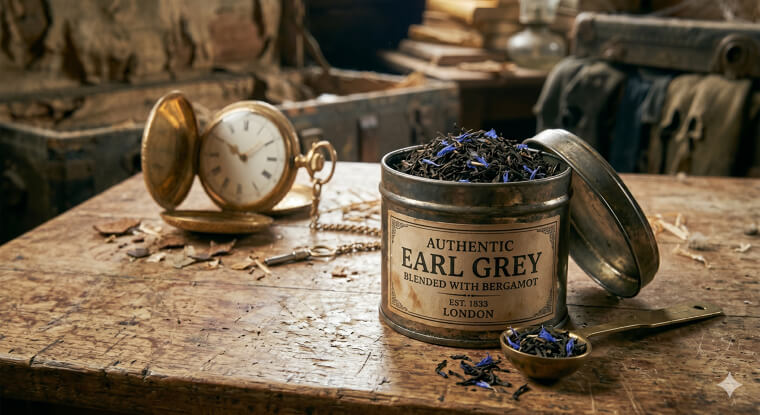
It bridged the gap between the modern farmhouse and the sophisticated world their ancestors once inhabited before the war changed everything forever.
The Music Scrawled on a Death Warrant
Scrawled on the back of old telegraph forms was a short, original musical composition titled "The Blue Trunk Waltz." The notes were frantic but melodic, suggesting it was written by someone with formal training working under extreme pressure. This discovered piece of music added a lyrical dimension to the family mystery. Allegedly, the melody was used as a signal between travelers during the journey. Luckily, there were still musicians in the family.
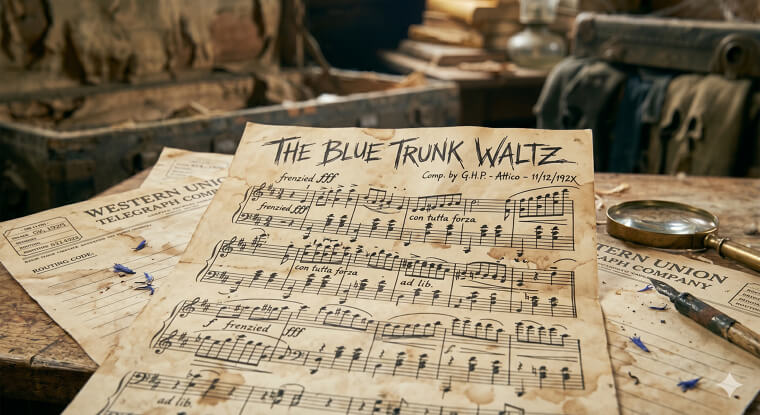
When the youngest Miller, a college music major, played the notes on the family piano, the haunting tune filled the room, finally giving a voice to the silent items that had been tucked away.
The Headline That Confirmed a Lie
A clipping from a 1944 London newspaper detailed the mysterious disappearance of a merchant vessel. A small "X" was marked in the margin next to a specific name in the passenger list. This item provided a somber reality check to the romanticized version of the family's past. It suggested that for every successful journey represented by the trunk's items, there were many others that ended in silence.
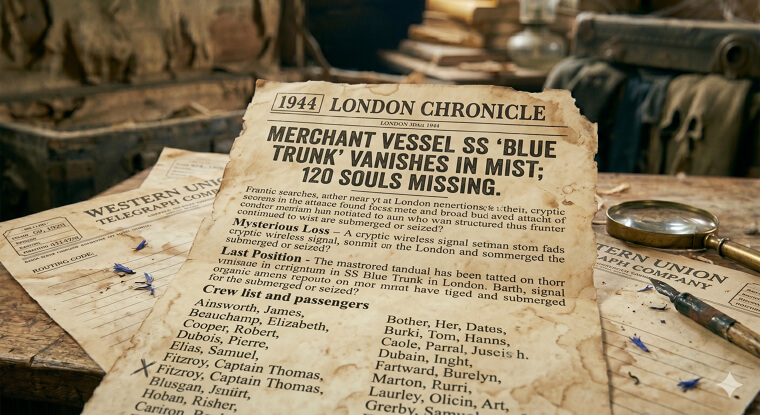
The family realized that the blue trunk was not just a collection of memories, but a record of survival against the heavy odds of a world at war.
Postcards to a Child Who Wasn't Born
A small box held pristine postcards from various European capitals—Paris, Prague, and Vienna. None of them were ever mailed. On the back of each, notes were written to children who hadn't been born yet, explaining the sights and sounds of a world that was rapidly disappearing. These unmailed messages were essentially a time capsule within a time capsule, addressed to the very people now holding them.
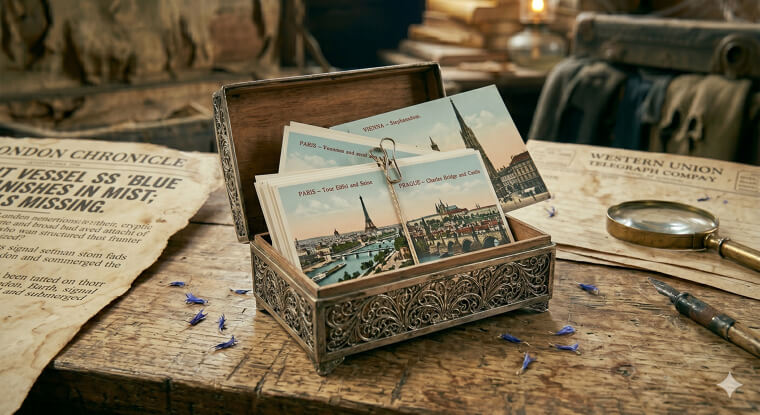
The foresight of the author to speak directly to future generations was a profound revelation, making the current Miller family feel seen and loved by an ancestor they never truly knew.
The Bird Carved in a Bomb Shelter
This small, handheld bird was carved from dark walnut wood, polished smooth by the oils of many hands. It reportedly served as a "worry stone" during long nights spent in hiding. The detail in the feathers was intricate, suggesting it was the work of a master craftsman or a very dedicated amateur. Its presence in the trunk highlights the psychological toll of the 1940s journey and the small comforts people used to maintain their sanity.
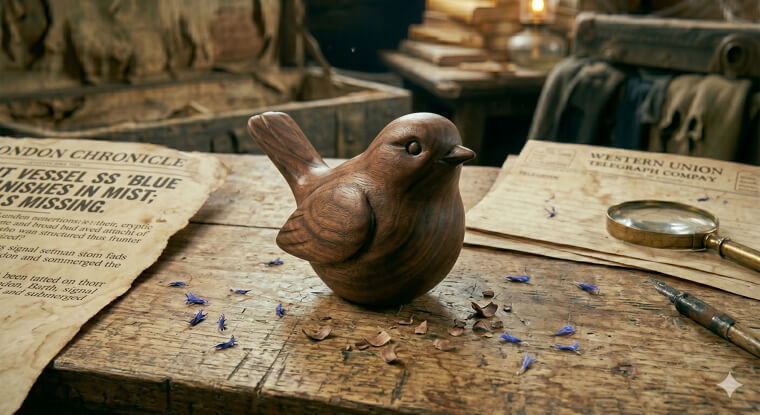
For the family, holding the bird provided a physical connection to the anxiety and the hope felt by their great-grandparents during their travels.
Seeds From a Garden That Was Burned
Deep in a side pocket, a small paper packet contained seeds for a variety of tomato no longer found in commercial catalogs. The notes on the packet indicated these were "Seeds from the Home Garden, 1939." This discovery linked the family’s agricultural present to their ancestral past in a very literal way. These seeds represented a desire to transplant a piece of their original home into a new life.
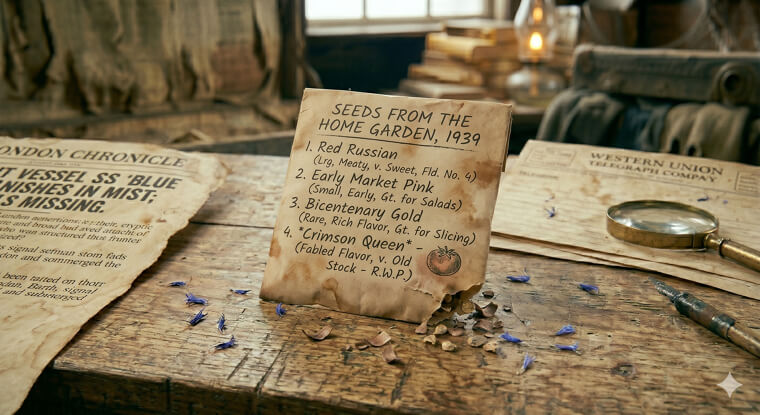
The family has since contacted a university to see if the seeds can still be germinated, potentially bringing a "ghost" plant back to life in their own modern farmhouse garden.
The Brush That Kept Their Secrets
This personal grooming item was surprisingly heavy, with an ornate handle featuring a family crest that had long been forgotten. Caught in the bristles were several long strands of silver hair, a DNA link to the past that felt almost too intimate to touch. Reportedly, this brush was the only "vanity" item allowed during the final leg of the journey. It redefined the matriarch’s image from a woman of pure utility to one who valued her heritage and personal dignity.
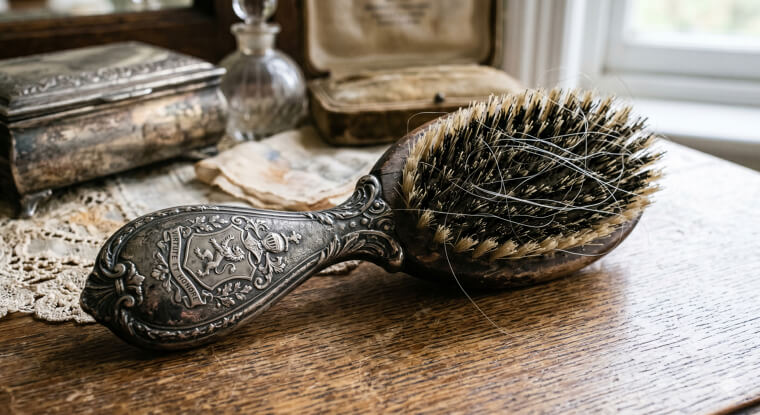
And she did so even when she was stripped of almost everything else she owned during her long and dangerous trek.
Lavender That Smells Like a Final Goodbye
Tucked beneath the wool coat was a bundle of lavender, still releasing a faint, soothing aroma when moved. Lavender is traditionally a symbol of devotion and calm, and its presence suggested a need for peace during a tumultuous time. Allegedly, this lavender was picked from a garden just moments before the family fled their original home for the last time. For the modern Millers, the scent became the official "smell" of the mystery.

It was a fragrant bridge that allowed them to imagine the gardens their ancestors walked through before the blue trunk became their only container.
The Compass That Only Points to Hope
This navigational tool was essential for the long journey described in the letters. Despite the cracked glass over the dial, the needle still pointed north with unwavering accuracy. It was reportedly used to navigate through dense forests during moonless nights when stars were hidden. The compass symbolized the moral and physical direction of the family, serving as a metaphor for their ability to find their way through adversity.
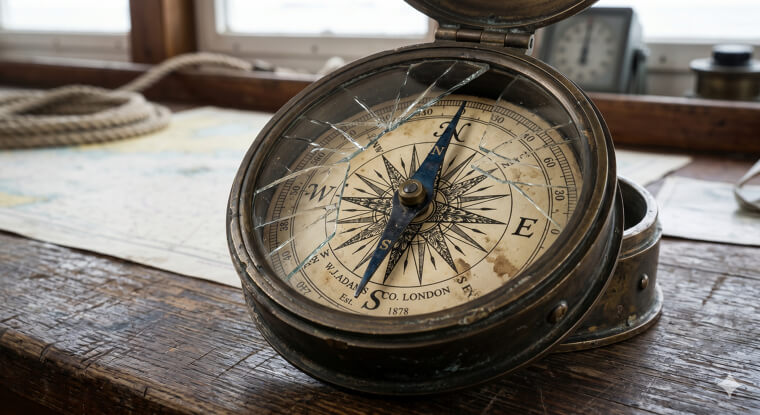
Its inclusion in the trunk reminded the heirs that while the path may be damaged and visibility low, they come from a line of people who navigated chaos.
Shells From a Beach of Broken Dreams
A tiny glass jar filled with colorful shells from the Mediterranean sat nestled in a woolen sock. Each shell was perfect, selected for its unique shape or color. This collection seemed to represent a moment of peace and childhood wonder in the midst of a larger, more dangerous narrative. Allegedly, these were collected by a child during a brief, safe week spent on a beach while waiting for a ship.

It reminded the family that even during global upheaval, there were moments of simple joy and the quiet appreciation of nature’s beauty by the edge of the sea.
The Theater Program From the Night the World Ended
A program from a 1938 performance at the Palais Garnier in Paris was tucked into a hidden flap. The edges were singed, and there were notes written in the margins about the lead soprano's performance. This item suggested a life of culture and high society that predated the struggles evidenced by the rest of the trunk’s contents. It provided a glimpse into the "before" times.
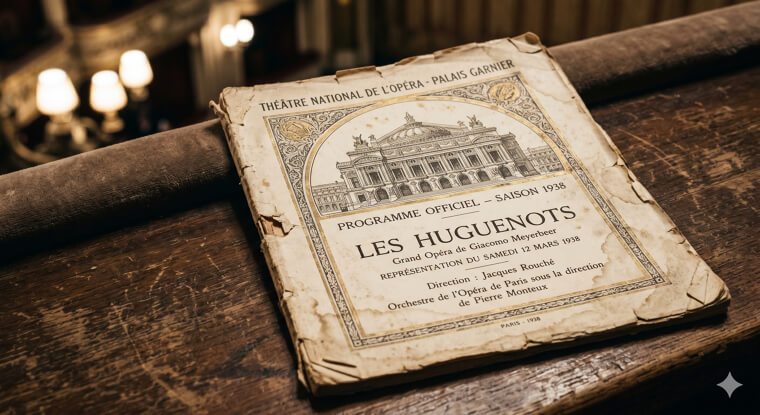
It allowed the three generations to see their ancestors as people who enjoyed art, music, and the finer things in life, rather than just as refugees fleeing through the dark woods.
The Lace That Was Cut to Save a Life
This fragment of handmade Belgian lace was incredibly delicate, featuring a pattern of interlocking hearts. It was reportedly part of a wedding veil that had to be cut down to fit into the trunk. The lace represented a sacrifice—the literal tearing apart of a family tradition to ensure the survival of the core essence. Seeing the jagged edges where the lace had been severed was a powerful visual for the Miller women.
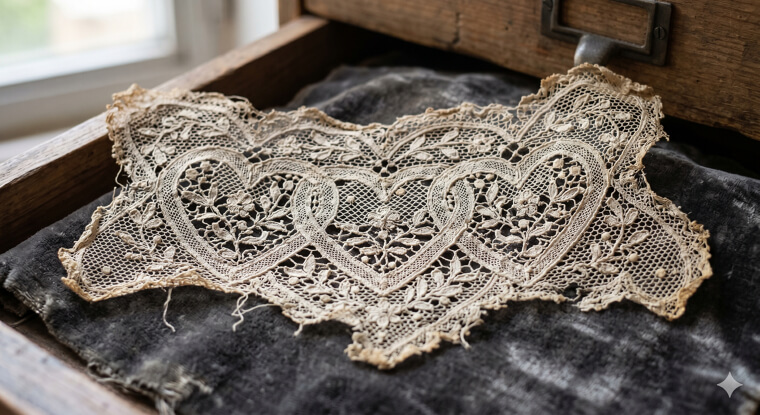
They realized that their current celebrations were built upon the difficult choices and necessary losses of those who came before them years ago.
The Telescope That Saw the Future First
This collapsible telescope showed signs of heavy use, with the brass finish worn down to a dull glow. It was an essential tool for scouting the road ahead or watching for incoming ships on the horizon. Allegedly, it was used by the family’s youngest son to keep watch while the adults slept. The telescope represented the vigilance required to protect the family’s future. For the grandchildren, it became a symbol of "looking forward."
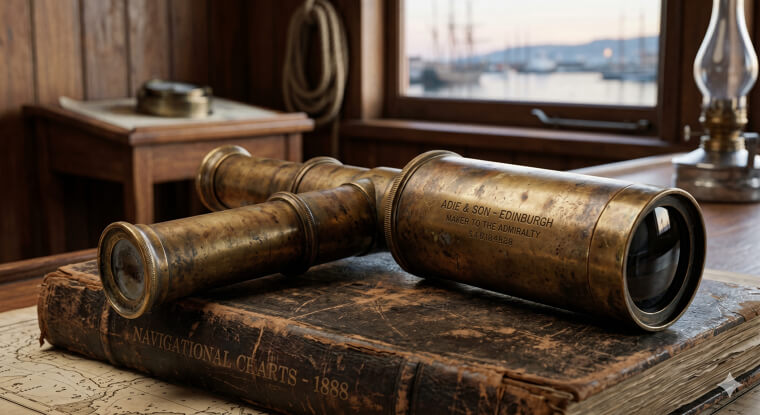
It's a reminder that their ancestors were always scanning the horizon for the next opportunity and a safer place to call home.
The Journal With Everything Left Unsaid
While many items in the trunk were filled with writing, this journal was almost entirely empty, except for a single entry on the very last page. The entry simply read, "We have arrived. The rest is for them." This profound statement was clearly directed at the generations to come. The empty pages were an invitation for the Millers to continue the story, suggesting that the journey didn't end when the trunk was closed.

Instead, it transitioned into a new phase. It redefined the heirloom from a static museum piece into a living document of legacy. It redefined the heirloom from a static museum piece into a living document of legacy.
The Locket of the Woman Who Saved Them
Inside a small gold locket was a painted portrait of a woman who didn't resemble any known family member. This "mystery woman" reportedly played a crucial role in the family’s escape, providing funds and forged documents at a critical juncture. The discovery of her image sparked a new branch of research, as the Millers realized their history was intertwined with the bravery of strangers.
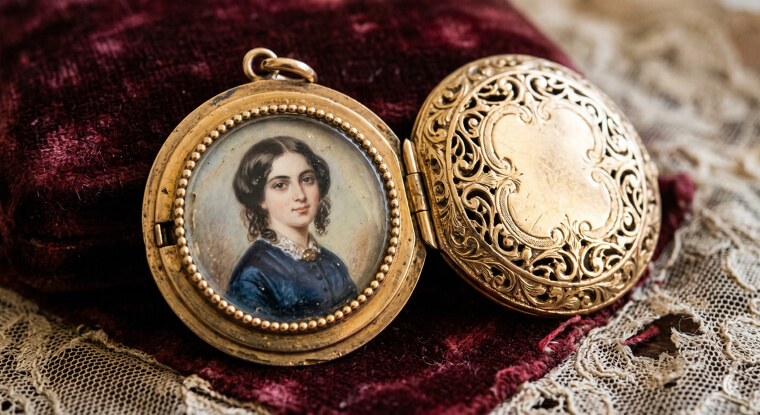
This locket represented the hidden networks of support that existed during the 1940s, proving that survival was often a communal effort rather than a purely individual or even a family-based endeavor.
The Chess Pieces From a Game That Never Ended
Wrapped in a piece of felt were six chess pieces—the king, queen, and four pawns—all carved from a light-colored stone. The missing pieces suggested a game that was interrupted and never finished. Allegedly, these were used to pass the time during long weeks spent in a basement in 1942. The pieces were smooth from being handled, testifying to the countless hours of mental distraction they provided.

This find showcased the human need for intellectual stimulation and play, even when the world outside was in a state of absolute, unpredictable, and very dangerous political chaos.
The Flask With a Secret Heart of Microfilm
This seemingly ordinary flask had a false bottom that revealed a tiny, rolled-up piece of microfilm. In the 1940s, microfilm was cutting-edge technology used for transporting sensitive information. While the family cannot yet read the film without specialized equipment, its presence changed the entire narrative of the trunk. It suggested that the journey was not just about personal survival, but potentially involved the transport of important data or documents.
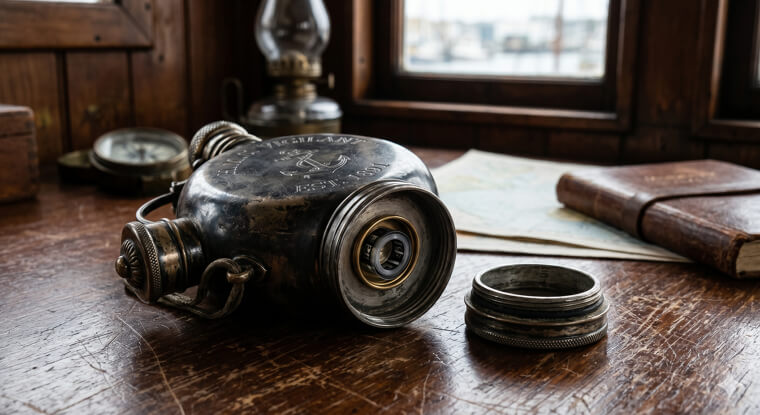
This "spy-movie" element added a layer of intrigue that none of the Miller descendants had ever expected from their seemingly quiet, rural, and simple farming ancestors.
The Blue Bird Drawn in the Dark
A crayon drawing, surprisingly vibrant for its age, depicted a bright blue bird flying over a green hill. The name "Leo" was signed at the bottom in a shaky, youthful hand. No one in the current family knew a Leo, leading to the heartbreaking realization that not everyone who started the journey finished it. This simple piece of art became a memorial for the lost members of the family’s extended circle.
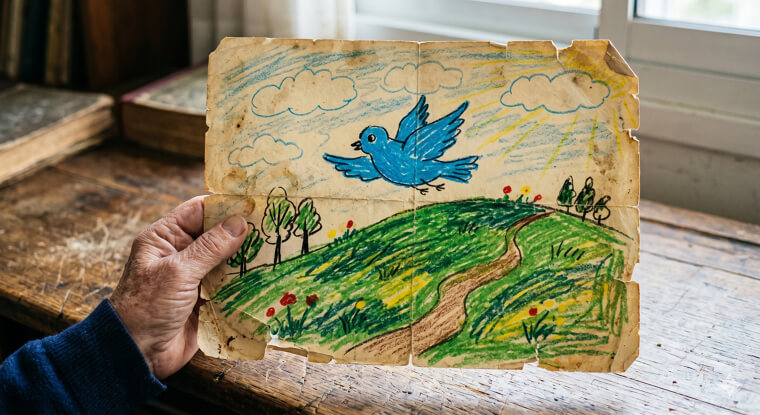
It served as a poignant reminder of the innocence that persists even in dark times and the importance of remembering every name.
The Cloak That Carried the Weight of a Family
Taking up much of the trunk's lower half was a thick, charcoal-colored wool cloak. It was heavy, smelling faintly of cedar and old earth. The cloak featured hidden pockets sewn into the lining, designed to hide valuables or small tools. This garment was reportedly the primary protection for the family matriarch during a winter crossing. Feeling the weight of the fabric, the granddaughters could almost feel the physical burden their ancestor carried.
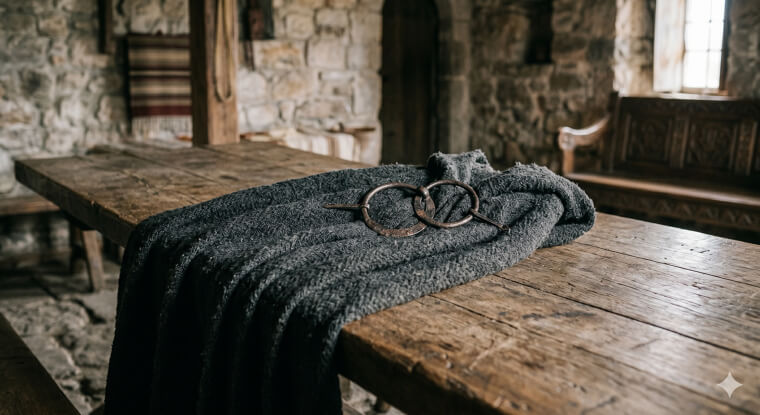
The cloak was a literal shield against the world, embodying the strength and protective nature of the woman who eventually founded their American farm.
Coins From Countries That No Longer Exist
A small silk pouch contained coins from five different countries, most of which no longer existed in the same form. These "dead" currencies were a tangible record of the borders crossed and the shifting political landscape of the mid-20th century. Allegedly, these were the last bits of "old world" money the family held before reaching their final destination. To the Millers, these coins were more valuable than their face value.
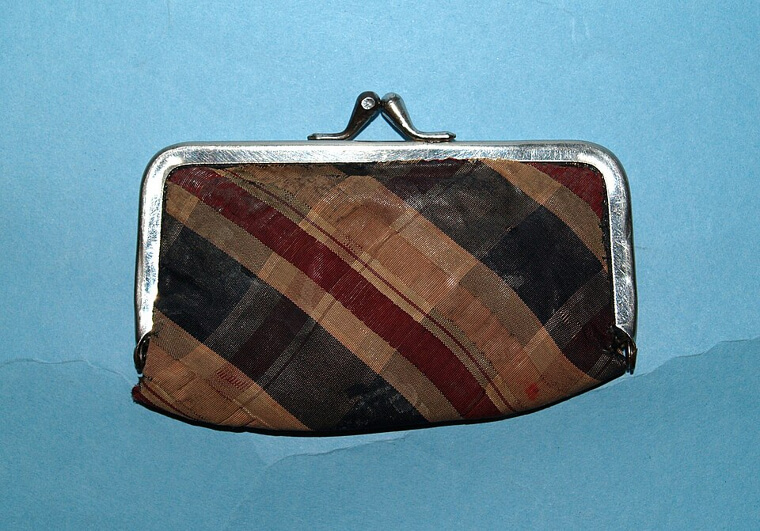
They were tokens of a world that had been left behind, representing the high cost of starting over in a brand-new and unfamiliar land.
The Medal That No One Claimed
A faded grosgrain ribbon, once likely a bright red, lay at the bottom of the trunk. Attached to it was a small bronze medallion awarded for "Acts of Extraordinary Courage." There was no name on the medal, only a date in 1943. The family is still debating which ancestor earned this honor, as both their grandfather and grandmother were reportedly involved in the resistance movements.
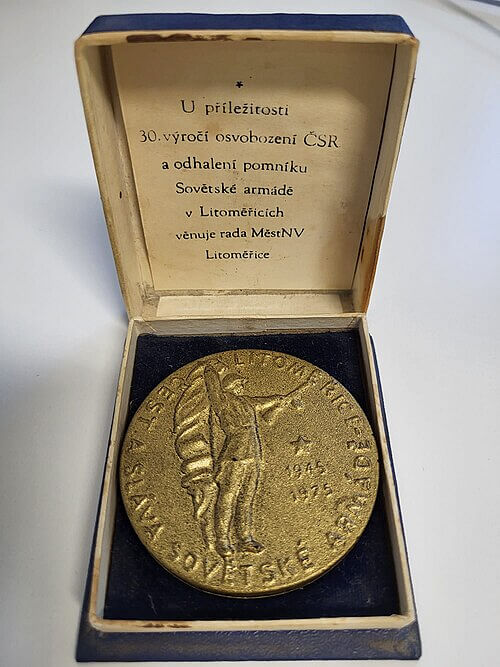
This anonymous award served as a humble testament to the quiet heroism that defined that generation—the kind of bravery that doesn't seek recognition but is simply a response to the times.
The Clover That Changed Their Luck
Nestled inside a small prayer book was a perfectly preserved four-leaf clover. Its presence suggested a reliance on luck and faith during the most uncertain moments of the journey. Allegedly found in a field in Ireland before the final Atlantic crossing, the clover was a symbol of the "luck of the survivors." For the Miller family, this tiny plant represented the thin margin between success and failure.
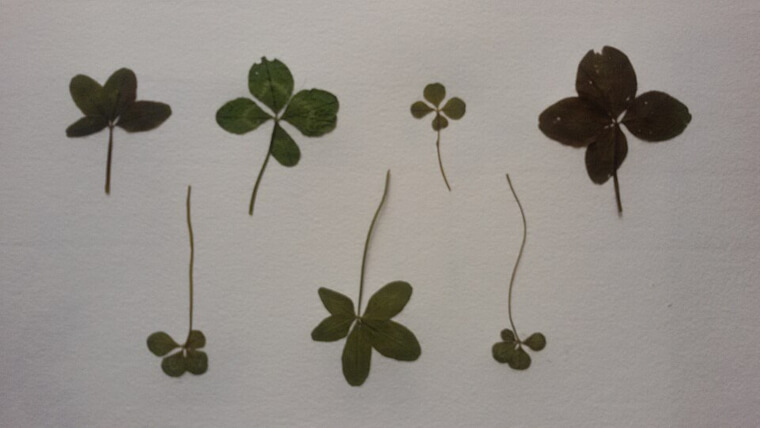
It reminded them that while their ancestors were brave and resourceful, they also benefitted from the small, miraculous strokes of good fortune that allowed their lineage to continue.
The Map of a Shore Called Home
Unlike the hand-drawn maps of Europe, this was a formal, printed map of New York City from 1946. A large circle was drawn around a small apartment building in Brooklyn. This represented the "First Home"—the place where the family finally set down roots after years of movement. Seeing this map provided a sense of closure to the trunk's narrative, showing the transition from the "Mystery of the Blue Trunk" to the reality of the American dream.
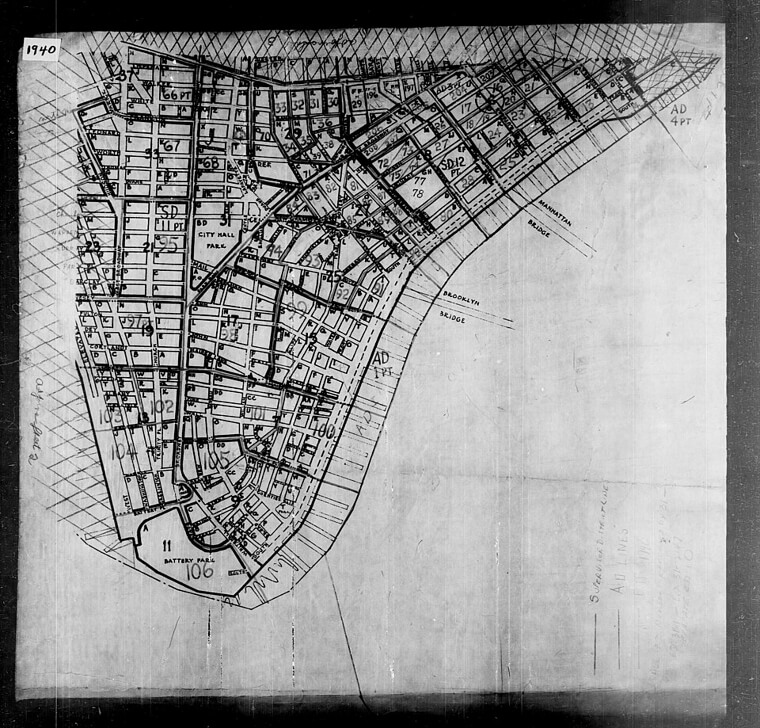
It marked the moment the journey ended and the modern family history truly began for the Millers.
The Herbs That Flavored a Final Meal
A tiny bundle of rosemary and thyme, wrapped in cheesecloth, still held a faint culinary scent. These herbs were reportedly taken from the last meal eaten in their original home. Rosemary is for remembrance, and thyme is for courage. The inclusion of these kitchen staples in a survival trunk highlighted the importance of domestic life and the desire to carry the "flavor" of home into an uncertain future.

It showed that even when fleeing for their lives, the family prioritized the sensory connections that make a house a home, regardless of where that home is.
The Photo of the Trunk That Started It All
At the very bottom of the trunk was a black-and-white photograph of a young couple standing on the deck of a ship, the Statue of Liberty visible in the distance. They were holding the blue trunk between them, their expressions a mix of exhaustion and overwhelming relief. For the first time, the Miller family saw the trunk in its original context—not as an attic relic, but as the vessel that carried their ancestors' entire world.
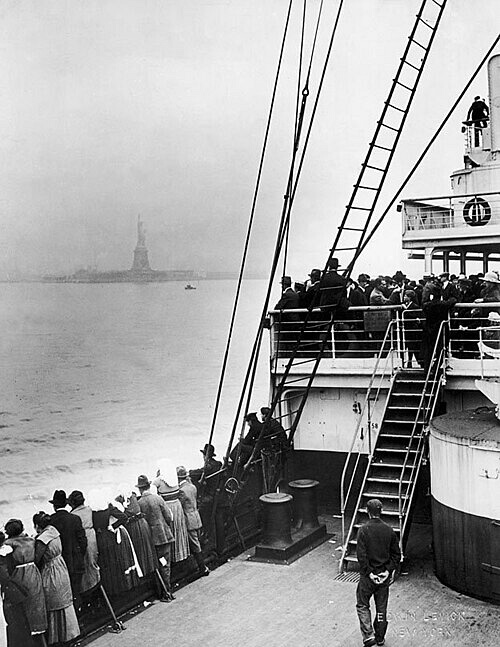
This image tied every item together, proving that the mystery of the blue trunk was ultimately a story of love and resilience.