South Korea: The Three-Month Celebration
In South Korea, Valentine's Day is just the beginning of a three-month romantic cycle. On February 14th, women traditionally give chocolate to men as a sign of affection. However, the favor is returned a month later on "White Day," when men give non-chocolate sweets to women. For those who don't receive gifts on either day, there is "Black Day" on April 14th.

On this day, singles gather at local restaurants to eat Jajangmyeon, which are black bean noodles, to jokingly mourn their single status with friends. It is a wonderfully social and inclusive way to handle the holiday.
Wales: The Carving of Love Spoons
A beautiful and ancient tradition in Wales involves the gifting of intricately carved wooden spoons. Known as "Love Spoons," these were historically crafted by suitors to show off their woodworking skills and symbolize their ability to provide for a family. Each symbol carved into the wood has a specific meaning; for example, a horseshoe represents good luck, while a bell symbolizes a wedding.

Today, these spoons are still exchanged on January 25th, St. Dwynwen’s Day, which is the Welsh patron saint of lovers. It is a tactile, artistic expression of devotion that remains deeply cherished.
Italy: Baci Perugina and Letters to Juliet
Italy celebrates with "Baci Perugina," small hazelnut chocolates wrapped in a multilingual love note. However, Verona, the setting of Shakespeare’s Romeo and Juliet, holds a special event called "Verona in Love." The city is decorated with heart-shaped lanterns, and a competition is held for the best letter written to Juliet. Thousands of people send letters to "Juliet’s Club" every year, seeking romantic advice or sharing their stories.

It’s a beautiful way the city keeps the literary heritage of romance alive, inviting everyone to participate in the magic of a timeless story.
France: The Village of Saint-Valentin Where Trees Are Adorned With Hearts and Buildings Are Filled With Flowers
France is often considered the epicenter of romance, and the village of Saint-Valentin takes this title literally. Between February 12th and 14th, this charming village is transformed into a haven of love. Houses are covered in flowers, and trees are adorned with "love notes" and marriage proposals. Couples can renew their vows in the local garden of hearts.
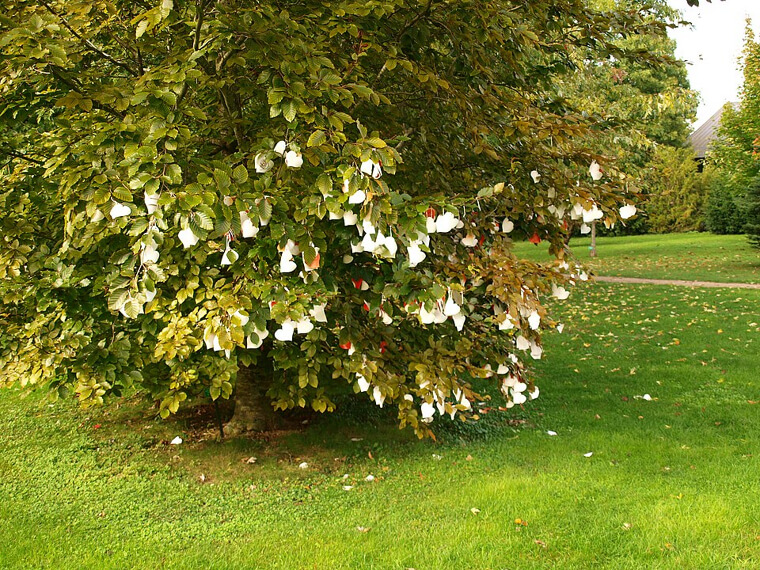
Legend has it that the first Valentine’s Day card originated in France when Charles, Duke of Orleans, sent letters to his wife from prison. This village ensures that the spirit of that historic romance lives on.
Philippines: Mass Weddings
In the Philippines, Valentine's Day has become a popular date for "Mass Weddings." Hundreds, sometimes thousands, of couples gather in public spaces, shopping malls, or government buildings to say "I do" simultaneously. These events are often sponsored by the government to help couples who might not be able to afford a private ceremony. It is a massive, joyous celebration of community and commitment.

Seeing rows of brides and grooms in their finest attire all sharing the same special moment is a truly heartwarming sight that reflects the country’s deep-seated value of family and togetherness.
Slovenia: Children Go on Barefoot Walks and Birds Marry Each Other
In Slovenia, St. Valentine is one of the patron saints of spring. There is a traditional belief that on February 14th, the birds of the fields propose to each other and get married. To witness this avian wedding, children were traditionally told they must walk barefoot through the fields, even if the ground was still frozen. Today, while the barefoot walks are less common, the day marks the start of working in the vineyards and fields.
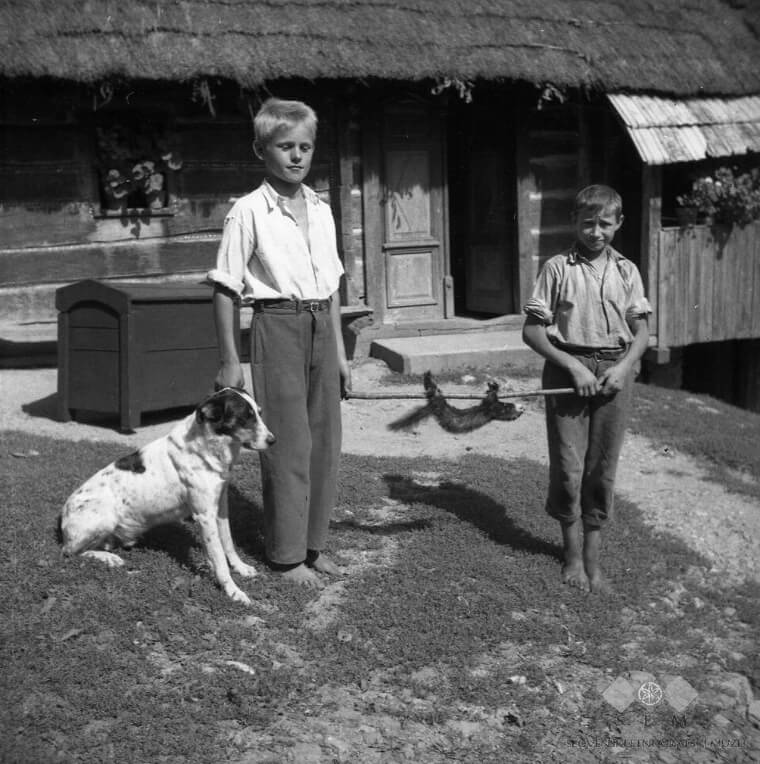
It is a lovely celebration of the awakening of nature and the romantic beginnings of the natural world.
Romania: One-Day Trial Marriages
In Romania, Valentine’s Day takes a backseat to Dragobete, a traditional holiday celebrated on February 24th. This "Day of Love" marks the end of winter and the start of spring, often called the day when "the birds are betrothed." A fascinating, centuries-old tradition associated with this period involves young couples participating in one-day trial marriages. Historically, these symbolic unions allowed pairs to "marry" for a single day to see if they were truly compatible.
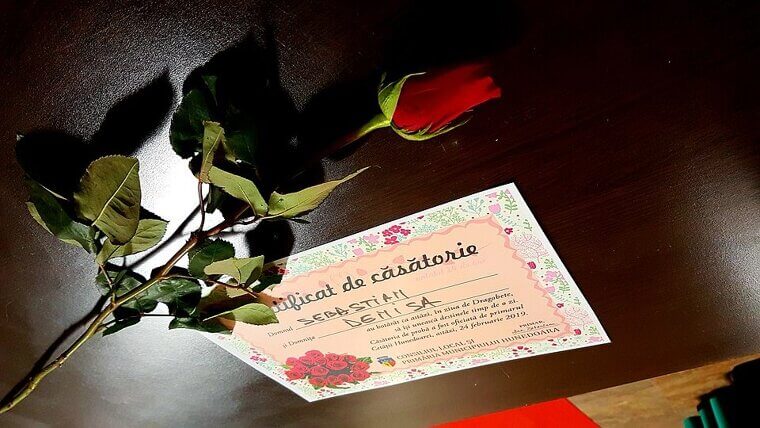
It’s a lighthearted way to test the waters of a lifelong commitment without any legal strings attached.
Estonia: The Love Bus, Where Singles Can Ride for Free and Maybe Meet Someone
Similar to Finland, Estonia celebrates "Sõbrapäev" as a day for friends. One of the more unique modern traditions is the "Love Bus," where singles can ride for free and potentially meet a new friend or romantic interest. The buses are decorated, and the atmosphere is light and social. Families and friends also exchange gifts and cards. It is a day where the entire community seems to brighten up.
They focus on the benefits of social connection and the importance of showing gratitude to those who stand by us throughout the year.
Norway: Bird Watching on V-Day Predicts Your Future Partner
In Norway, there is an old folklore tradition that watching the birds on Valentine's Day can predict your future partner. Different types of birds are associated with different professions. For example, seeing a sparrow might mean you’ll marry a kind person, while a goldfinch could mean a wealthy partner. While most Norwegians today celebrate with modern gifts and dinners, this bit of folklore is still shared in cards and school classrooms.
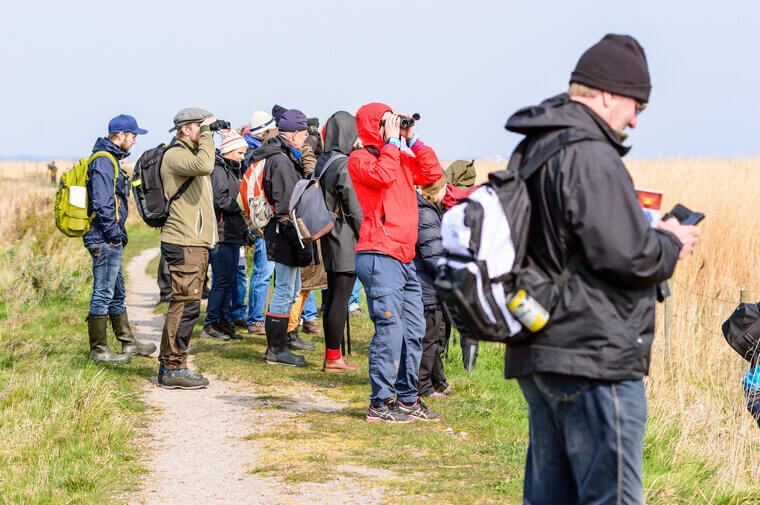
It adds a touch of nature-inspired mystery to the day, encouraging people to look up and notice the beauty of the Scandinavian winter.
Brazil: Dia Dos Namorados, When Single Women Perform Rituals to Find a Good Husband
Brazilians skip the February celebration and instead observe "Dia dos Namorados" (Lovers' Day) on June 12th. This date is chosen because it falls on the eve of Saint Anthony’s Day, the patron saint of marriage. Traditionally, single women would perform rituals called "simpatias" to help them find a good husband. Today, the day is celebrated with lavish dinners, musical performances, and the exchange of gifts.

Because it’s in June, it doesn't compete with the massive Carnival celebrations in February, allowing the country to give romance its own dedicated, high-energy time in the sun.
Iraq and Kurdistan: Decorating Apples
In the Kurdish region of Iraq and in Kurdistan, Valentine's Day is celebrated by decorating red apples with cloves. These represent the apple from the story of Adam and Eve but are transformed into symbols of love and prosperity. The cloves preserve the apple, symbolizing a love that lasts. People exchange these aromatic gifts with friends and romantic partners alike.
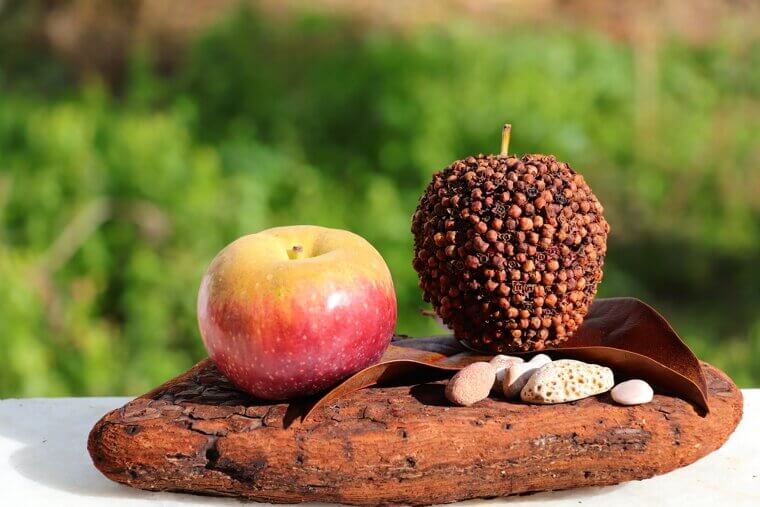
It is a visually striking and fragrant tradition that brings a sense of ancient history to the modern holiday, showing how symbols of nature can be adapted to express timeless human emotions in a unique way.
Germany: The Lucky Pig
While Germans exchange the usual flowers and chocolates, they have a unique symbol for Valentine's Day: the pig. In German culture, the pig represents luck and lust. You will often find Valentine’s cards and gifts featuring cute pigs, sometimes standing on four-leaf clovers or holding a heart. Additionally, large heart-shaped ginger cookies, known as Lebkuchenherzen, are a staple. These cookies are decorated with icing and romantic messages like "Ich liebe dich."

They are often hung around the neck with a ribbon, making for a sweet and tasty declaration of affection for one's partner.
Guatemala: The Old Love Parade Focuses on Showing Love to Senior Citizens
In Guatemala City, Valentine's Day is known as "El Día del Cariño," or the Day of Affection. While it celebrates romantic love, there is a significant focus on showing love for senior citizens. The "Old Love Parade" features seniors dressed in colorful costumes and masks, celebrating with music and dancing. It’s a wonderful way to honor the elders in the community and acknowledge that love and joy are not just for the young.
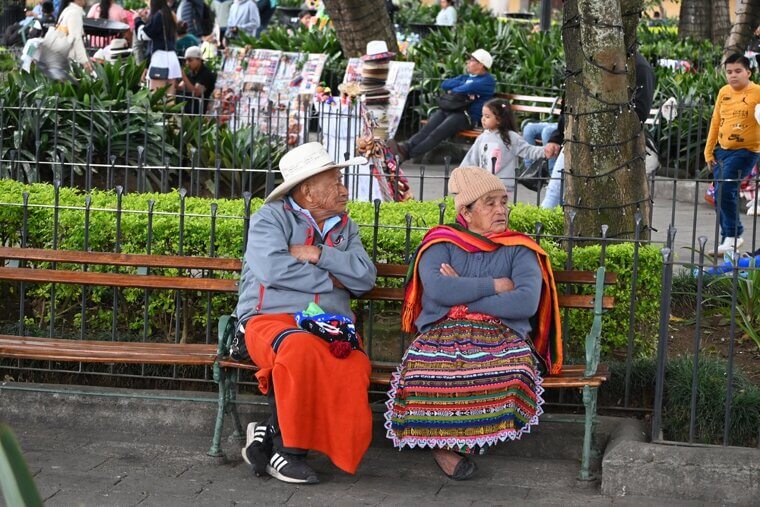
This inclusive atmosphere makes the holiday feel like a celebration of the human spirit and the long-lasting bonds of friendship.
United Kingdom: Pinning 5 Bay Leaves to Your Pillow to Dream of Your Future Husband/Wife
An old English tradition, which some still playfully observe today, involves pinning bay leaves to one's pillow on Valentine's Eve. Five leaves are usually used—one in each corner and one in the center. The goal is to dream of your future husband or wife that night. While most people now celebrate with cards and "afternoon tea" specials, this folklore remains a popular topic in magazines and local history groups.
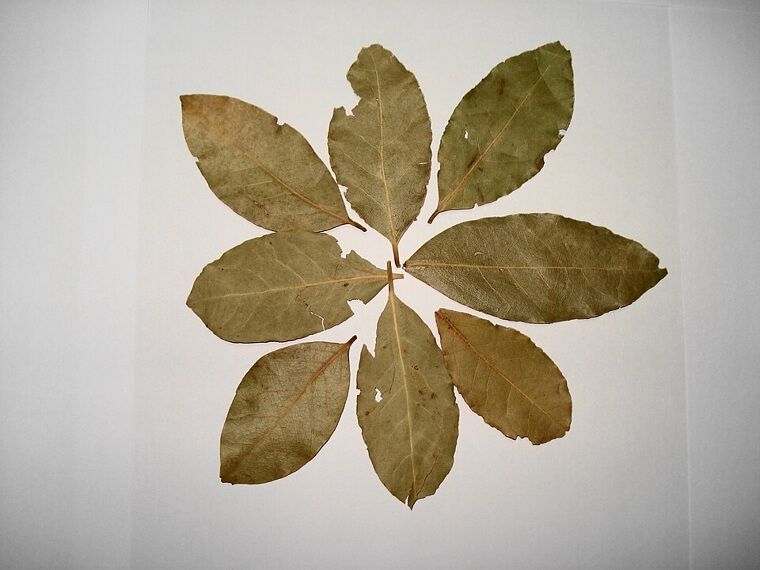
It reflects the British love for quirky traditions and the hope that a little bit of nature might provide a glimpse into the heart's future.
Thailand: Young Couples Visit the Trimurti Shrine to Pray for Love and Luck
Thailand, particularly Bangkok, takes Valentine’s Day very seriously. A popular tradition involves young couples visiting the Trimurti Shrine to pray for love and luck. They often bring offerings of nine red roses, red incense, and red candles. The color red is everywhere, and the flower markets are reportedly overwhelmed with demand. It is also a very popular day for weddings and registering marriages at local offices.

The atmosphere is a unique mix of modern commercialism and deep-rooted spiritual practice, making for a day that feels both exciting and profoundly meaningful to the local community.
Peru: Orchids Instead of Roses
While the world usually goes mad for roses, in Peru, the orchid is often the flower of choice for Valentine's Day. As a country with incredible floral diversity, the orchid is a symbol of rare beauty and refinement. Many people also celebrate "El Día del Amor y la Amistad" by sharing traditional Peruvian dishes like ceviche or Pisco Sour with their loved ones. The day is characterized by a relaxed, social atmosphere.
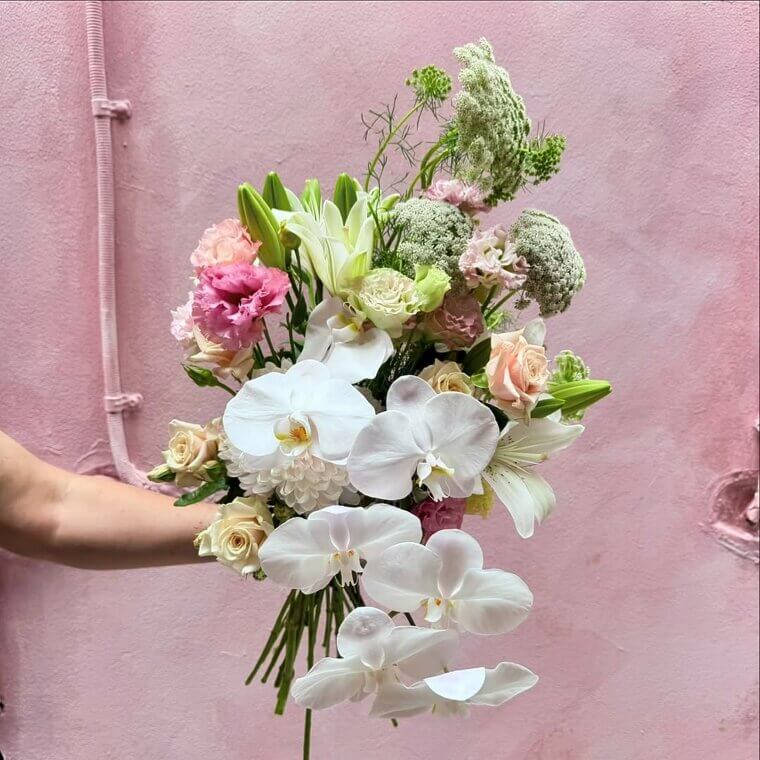
The focus is on enjoying the best flavors of the country alongside the people who make life most meaningful and joyful.
Taiwan: The Number of Roses Has Meaning
In Taiwan, Valentine's Day is celebrated twice a year (February 14 and the Qixi Festival), and the number of roses given is a secret code. While one rose means "only love," 99 roses mean "forever," and 108 roses are a marriage proposal. Flower shops are swamped with specific requests as suitors try to get their message exactly right. It adds a mathematical and symbolic layer to the gift-giving process.
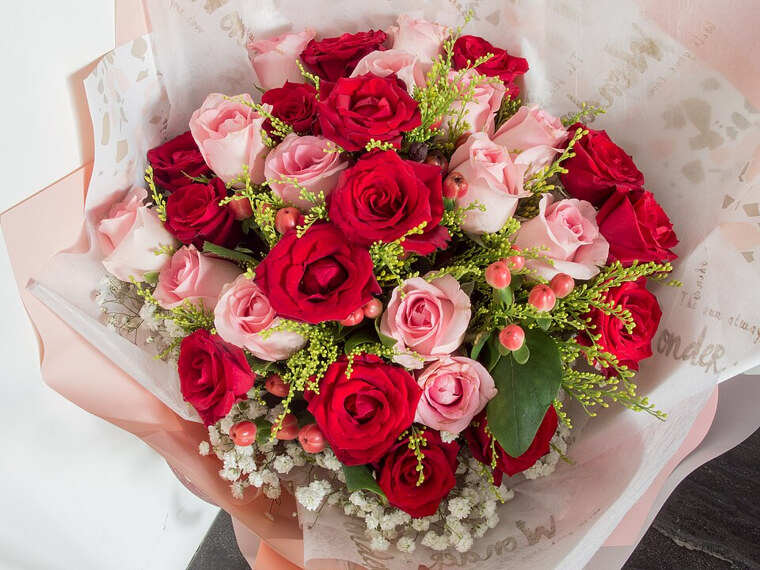
It makes every bouquet a carefully calculated statement of intent that goes far beyond just a simple romantic gesture.
Ireland: Claddagh Ring Tradition
While Valentine's Day is popular in Ireland, many couples express their love year-round through the Claddagh ring. This traditional Irish ring features two hands holding a heart with a crown. The way the ring is worn is a code for one's relationship status: on the right hand with the heart facing out means you’re single, while on the left hand with the heart facing in means you’re married.

On Valentine’s Day, many Irish people give these rings as a symbol of love, loyalty, and friendship, rooting their modern romance in a beautiful piece of seafaring history.
Spain (Valencia): The Feast of St. Dionysus
In Valencia, October 9th marks the Feast of Saint Dionysus, their local day of love. Men traditionally gift their sweethearts a "Mocaorà," which is a silk scarf wrapped around marzipan figurines shaped like fruits and vegetables. These figurines are a nod to the area’s fertile land and a way to celebrate both romance and agriculture. The day also features vibrant parades and historical reenactments.
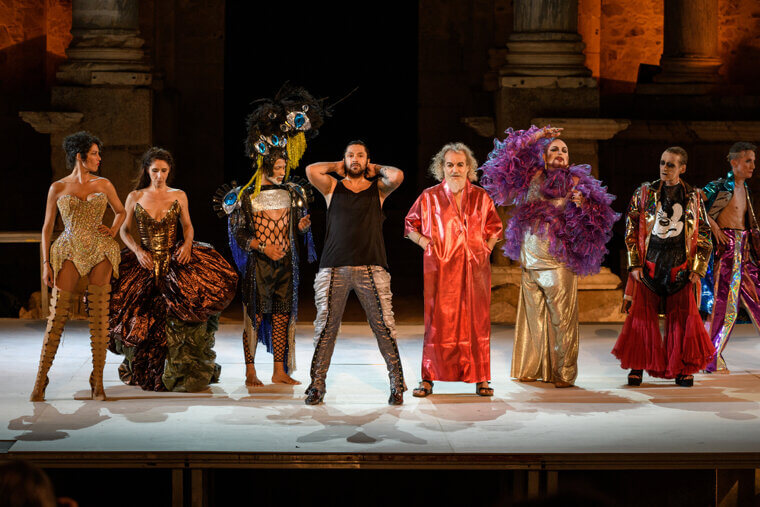
It’s a colorful and delicious alternative to February 14th that deeply connects the local community to their unique regional history and heritage.
Argentina: A Whole Week of "sweetness"
In Argentina, one day isn't enough; they have "Semana de la Dulzura" or "Sweetness Week" in July. During this week, people exchange "a candy for a kiss." It started as a marketing campaign by a candy company but became a beloved national tradition. Friends and lovers alike participate, filling the week with small, sugary acts of kindness. They also celebrate Valentine's Day in February.

But Sweetness Week is often seen as the more casual and fun highlight of the year. It brings a sense of lighthearted playfulness to the cold Argentine winter months.
Japan: Giri-Choco and Honmei-Choco
In Japan, the tradition of Valentine's Day is quite specific regarding the type of chocolate given. Women provide "Giri-Choco," or "obligation chocolate," to male coworkers and acquaintances to show appreciation without romantic intent. For their actual romantic partners or crushes, they give "Honmei-Choco," which is often handmade to show true effort and love. Like South Korea, Japan also celebrates White Day on March 14th.
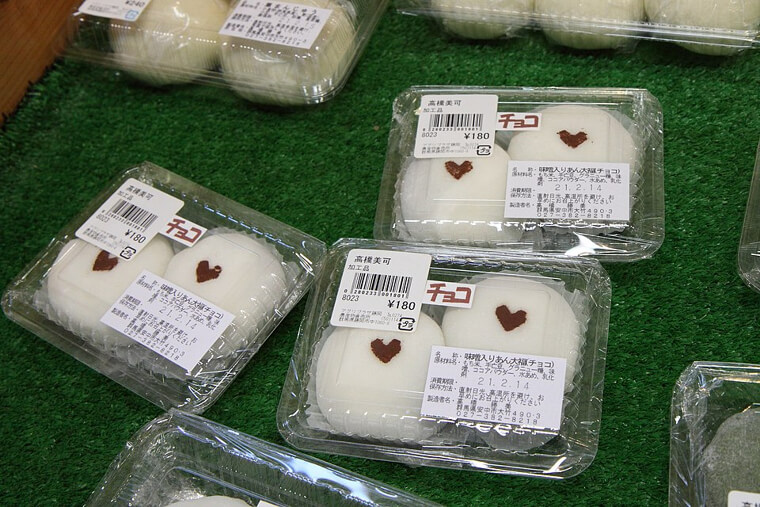
On this day, men are expected to return the gesture with gifts that are reportedly worth two or three times the value of the chocolate they received in February.
Denmark: Snowdrops and Gaekkebrev
The Danish have a whimsical tradition that involves sending "snowdrops"—pressed white flowers—to friends and loved ones. However, the most unique part is the "gaekkebrev," or "joking letter." These are intricately cut paper letters containing a funny poem or rhyme. The sender signs the note with dots instead of a name, one dot for each letter in their name. If the recipient can guess who sent the letter, they win an Easter egg later in the year.

If they fail, they owe the sender an egg. It turns Valentine’s Day into a playful game of mystery.
South Africa: Lupercalia Traditions
In South Africa, some locals follow an old Roman tradition known as Lupercalia on Valentine's Day. Young women will pin the name of their love interest or crush onto their sleeves for the day. This is where the famous phrase "wearing your heart on your sleeve" is said to have originated. It’s a bold and charming way to signal interest in a community setting. Beyond this, the country celebrates with vibrant festivals and dinners.

They blend modern global customs with this sweet, historical nod to the past that encourages openness and honest romantic expression.
Finland: Ystävänpäivä (Friendship Day)
Finland takes a slightly different approach to February 14th by celebrating "Ystävänpäivä," which translates to "Friend’s Day." Rather than focusing solely on romantic partners, the Finns celebrate their friends, family, and neighbors. It is a very popular day for sending cards and small gifts to anyone you appreciate in your life. This tradition reportedly started in the 1980s and has since become a major part of Finnish culture.

It’s a low-pressure, heartwarming way to ensure that everyone feels loved and included, regardless of their current relationship status or age.
Bulgaria: The Day of Winemakers
In Bulgaria, February 14th is traditionally "Trifon Zarezan," or the Day of Winemakers. While global Valentine's Day customs have become popular, many Bulgarians prefer to celebrate with a glass of local wine. Couples often head to vineyards or cozy taverns to share a bottle and toast to their future. The day is associated with the pruning of the vines to ensure a good harvest.
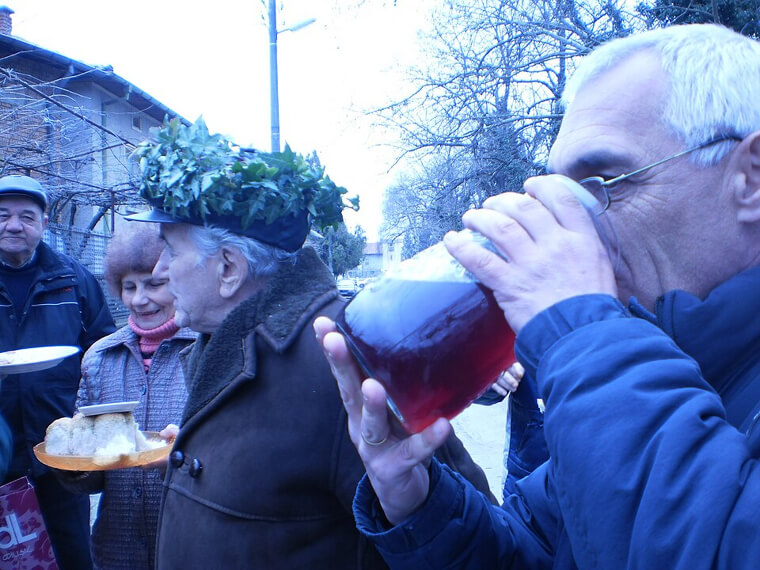
It’s a wonderful blending of a religious holiday with the celebration of love, suggesting that a good marriage, like a good wine, requires time, care, and a bit of celebration.
Mexico: El Día Del Amor Y La Amistad
In Mexico, the holiday is widely celebrated as "The Day of Love and Friendship." It is common to see people walking around with giant balloons, stuffed animals, and bouquets of flowers for their friends as much as their partners. Public squares often feature live music and street performers, creating a festive, carnival-like atmosphere. The focus is on "Cariño," or affection, which is shown through small acts of kindness and public declarations of appreciation.

It is a vibrant, loud, and incredibly colorful day that brings people of all ages out into the streets.
Ghana: National Chocolate Day
Since 2005, Ghana has rebranded Valentine's Day as "National Chocolate Day." As one of the world's leading cocoa producers, the government introduced this to boost domestic consumption and tourism. The day is filled with chocolate-themed events, including tastings, museum exhibits, and special menus at restaurants. It’s a clever way to celebrate a national treasure while also participating in the global holiday.

People exchange chocolate bars with loved ones, making it a delicious day that celebrates both romantic love and national pride in their famous, high-quality world-class cocoa beans.
Czech Republic: Petřín Hill Pilgrimage
In the Czech Republic, many lovers make a pilgrimage to Petřín Hill in Prague on May 1st, which is their traditional "Day of Love." They gather at the statue of the romantic poet Karel Hynek Mácha and share a kiss under a blooming cherry tree for good luck and a long-lasting relationship. While February 14th has gained popularity, the May celebration remains the true day for romance.

It’s a beautiful, scenic tradition that emphasizes the connection between human love and the blossoming beauty of the spring landscape in one of Europe’s most romantic cities.
Portugal: The Handkerchiefs of Love
In the Minho region of Portugal, a centuries-old tradition involves "Lenços de Namorados" or "Valentine’s Handkerchiefs." These are white linen cloths embroidered with colorful patterns, hearts, birds, and romantic verses, often with intentional spelling errors to reflect their humble, rural origins. Historically, a young woman would give her embroidered handkerchief to a man she liked; if he wore it in public, the relationship was official.
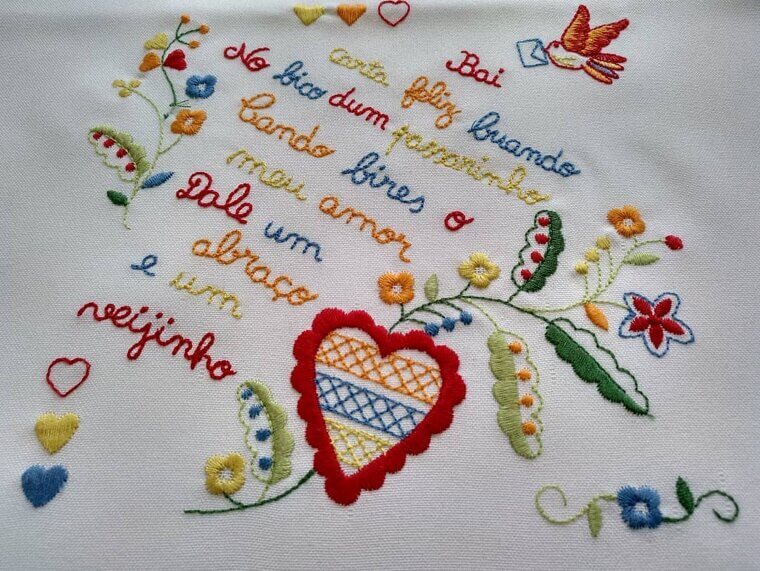
Today, these beautiful textiles are sold as high-end crafts and remain a proud symbol of Portuguese heritage and the enduring art of romantic courtship.
Israel: The Ancient Holiday of Tu B'Av Is Celebrated With Music Festivals, Parties, and Weddings
While Israel celebrates the international Valentine's Day, it also has its own ancient holiday of love called Tu B'Av, which usually falls in late summer. In ancient times, young women would dress in white and dance in the vineyards, and men would choose their brides. Today, it is celebrated as a "Day of Love" with music festivals, parties, and many weddings. It is considered a lucky day for proposals and commitments.
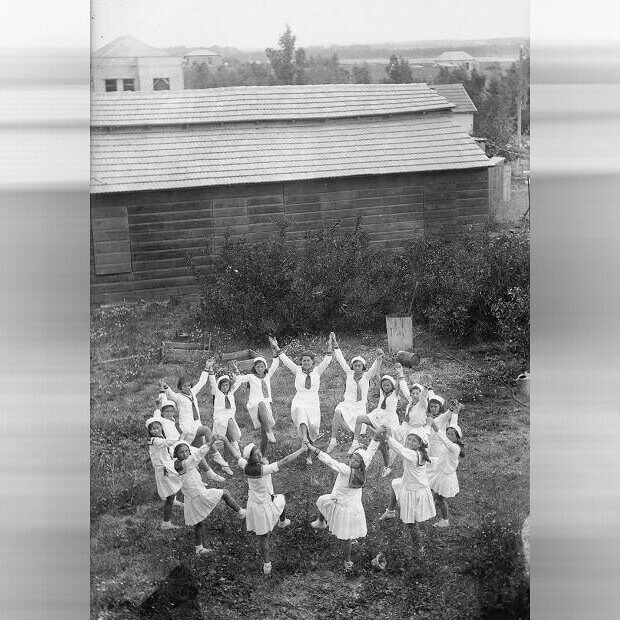
The blend of ancient Hebrew tradition with modern celebration makes it a unique and spiritually significant time for couples throughout the country.
China: Qixi Festival Honors Legendary Star-Crossed Lovers Who Could Only Meet Once a Year
The Qixi Festival is the Chinese equivalent of Valentine's Day, celebrated on the seventh day of the seventh lunar month. It originates from the legend of the Weaver Girl and the Cowherd, two lovers separated by the Milky Way who can only meet once a year. Traditional activities included girls demonstrating their domestic skills, like needlework, and making offerings to the stars. Today, it is celebrated with romantic dinners and gifts.

It is a poignant holiday that emphasizes the value of patience and the idea that true love can overcome even the greatest of distances.
Greece: St. Hyacinth’s Day
While St. Valentine is widely recognized, some Greeks also honor St. Hyacinth on July 3rd as the patron saint of lovers. St. Hyacinth was a martyr for love and faith, and his feast day is often celebrated in the mountain villages of Crete with traditional music, dancing, and local feasts. It is a more rugged and traditional alternative to the commercial Valentine’s Day. This celebration focuses on the strength of character required for true love.
It blends the island's rich history with a deep appreciation for the enduring power of the human heart.
El Salvador: Secret Friend
In El Salvador, a popular tradition for Valentine's Day is "Amigo Secreto," which is very similar to Secret Santa. In workplaces, schools, and among friend groups, names are drawn, and participants exchange small gifts anonymously throughout the week, leading up to a final reveal on February 14th. This tradition helps to include everyone in the festivities and reduces the pressure of having a romantic partner.

It creates an atmosphere of mystery and fun, reminding everyone that the love of a good friend is something worth celebrating with just as much enthusiasm as romance.
Australia: The Coastal Picnic
In Australia, Valentine’s Day falls during the height of summer, so traditions often revolve around the outdoors. Beach picnics, outdoor cinemas, and "long lunches" at vineyards are incredibly popular. One unique modern tradition is looking for heart-shaped stones or shells along the shore as a keepsake of the day. Australians are known for their laid-back approach, so the day is often less about grand gestures.

It's more about spending quality, relaxed time together, enjoying the best of the Australian summer weather and fresh local seafood.
Iran: Sepandarmazgan
Sepandarmazgan is an ancient Persian festival that dates back over 3,000 years and is celebrated as a day of love for women and the earth. It is traditionally a day when men pamper the women in their families, taking over household chores and presenting them with gifts. While modern Valentine's Day has become popular in Iranian cities, many still celebrate this heritage of respect and gratitude.

It’s a profound celebration that honors the nurturing role of women and the interconnectedness of human affection with the natural world.